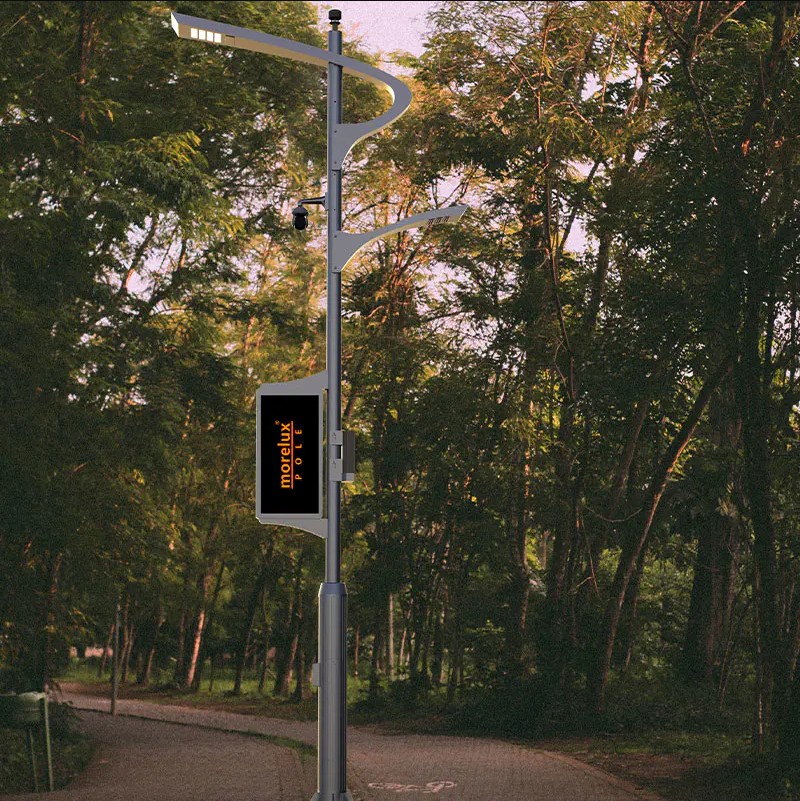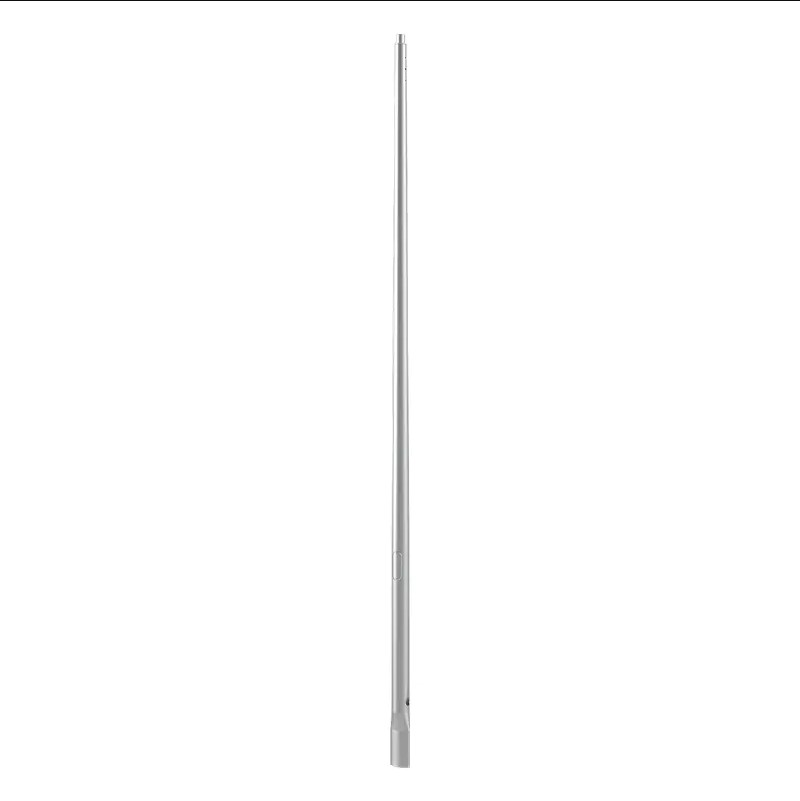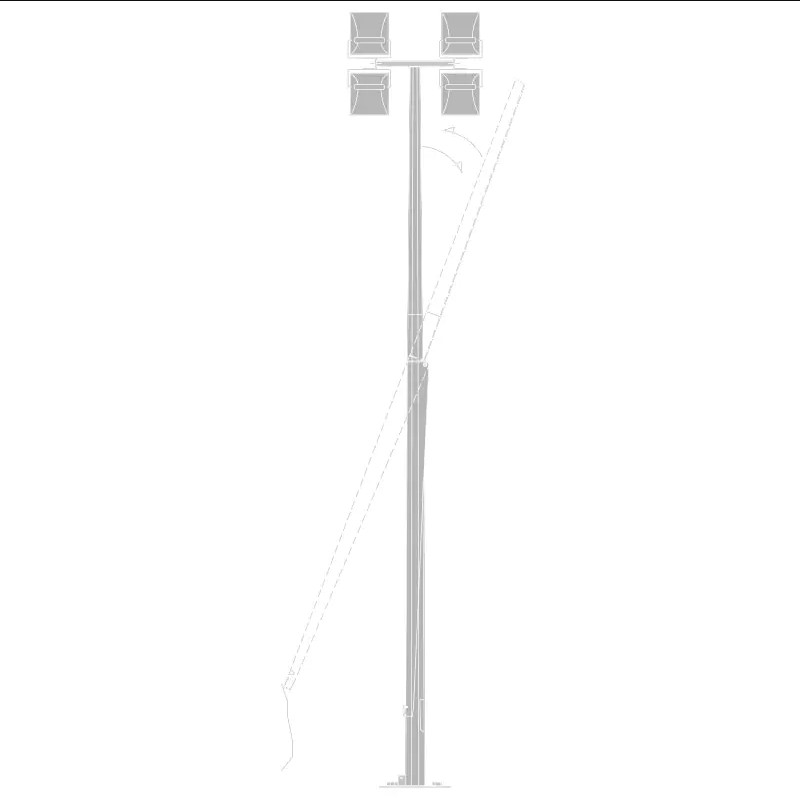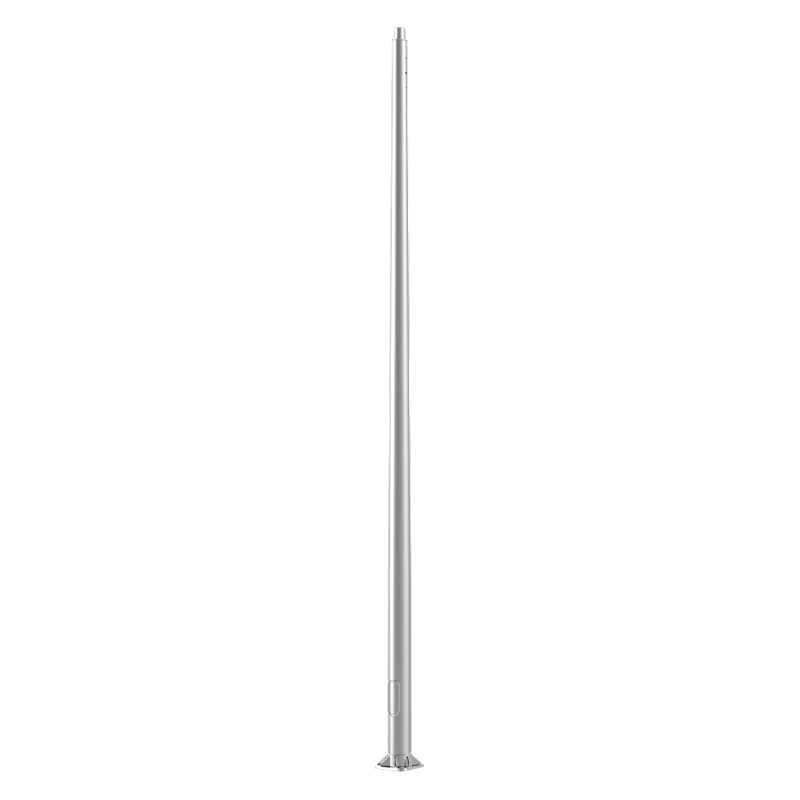
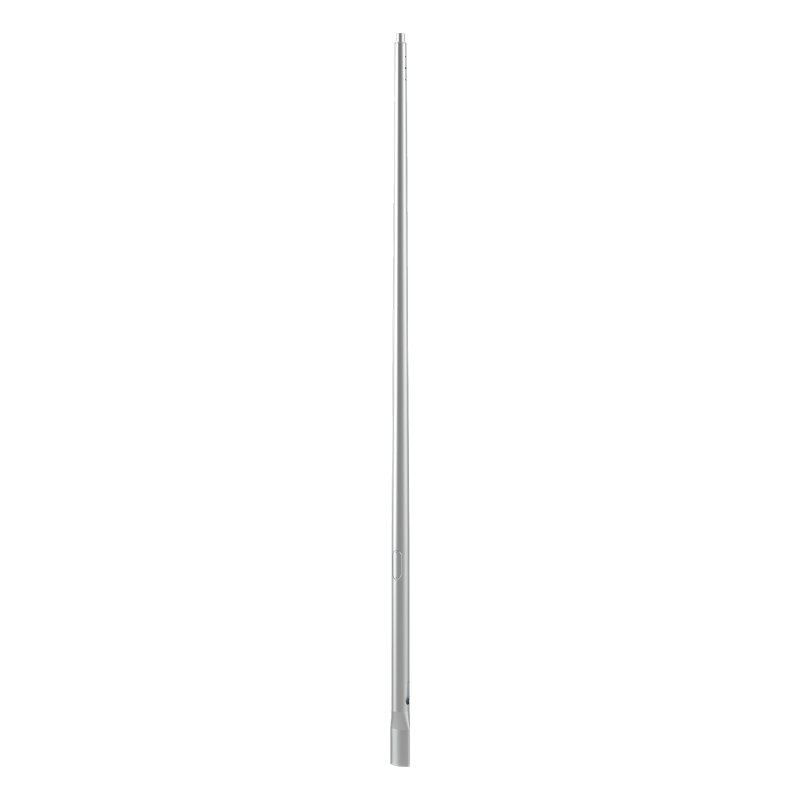
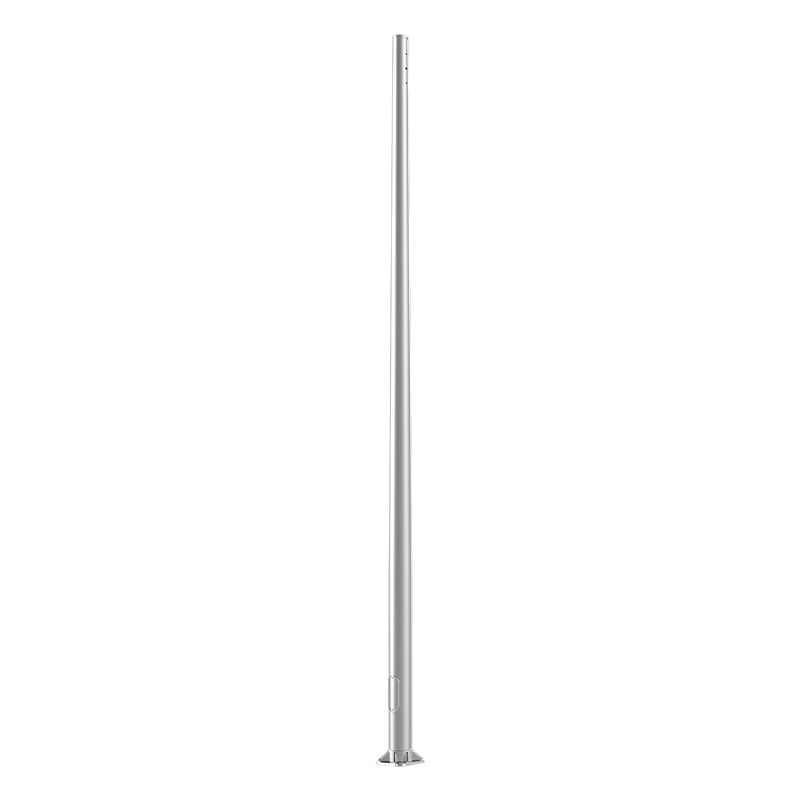
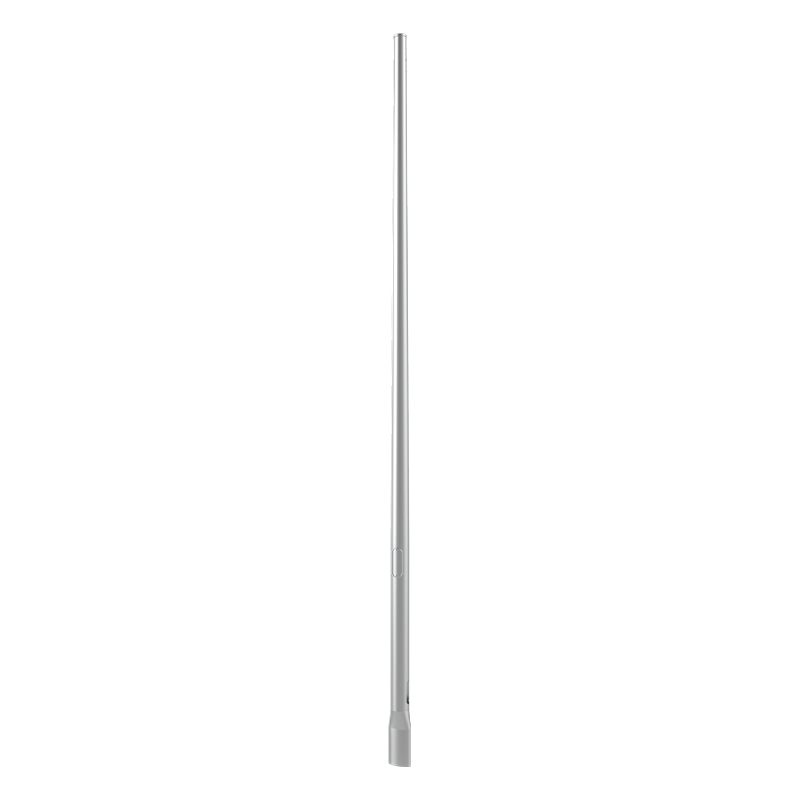


Aluminum light poles are ideal for road lighting and landscape lighting. Their excellent performance is widely used in urban streets, squares, parks, and other places. Compared with traditional iron light poles, aluminum light poles have a lower density and weigh only about 1/3 of iron light poles, which makes transportation and installation more convenient and reduces construction costs. The surface of aluminum naturally forms an oxidized protective layer, which has strong corrosion resistance and is especially suitable for coastal, humid, and other harsh environments. The service life is more than 20 years. The light pole is made of high-quality aluminum alloy and is processed by special technology. It has high strength and good wind and earthquake resistance, and is safer. In addition, aluminum is easy to process and can be made into streamlined, modern, and simple or retro styles. The surface can be anodized, sprayed, and other ways to meet the needs of different scenes. Aluminum is 100% recyclable, which conforms to the concept of green sustainable development and reduces resource waste.
Aluminum light poles integrate practicality, aesthetics, and environmental protection, and are the preferred solution for improving the quality and image of urban lighting.
An American aluminum light pole is a tapered or straight outdoor lighting support structure made from high-quality aluminum alloy, designed and specified to meet North American engineering, safety, and aesthetic standards for road lighting, street lighting, parking lots, plazas, parks, and landscape illumination. The ...
View MoreSmart light poles go far beyond simply holding a luminaire. They function as multi-purpose urban infrastructure platforms that integrate intelligent street lighting management with 5G connectivity, environmental sensing, video surveillance, public broadcasting, EV charging, Wi-Fi access, and emergency communication — ...
View MoreA well-manufactured aluminum light pole has a structural lifespan of 30 to 50 years under normal outdoor conditions. The aluminum shaft itself is highly resistant to corrosion and fatigue, and quality manufacturers back their poles with structural warranties of 25 years as standard. The surface finish — whether anodiz...
View MoreAmerican Aluminum Light Pole are an ideal choice for modern road and landscape lighting projects. Thanks to their unique material advantages and superior performance, these lights are rapidly replacing traditional steel or iron lights globally, especially in the US market. Their main applications include city streets, highways, plazas, parks, and various residential and commercial areas.
Low Density, Lightweight: Aluminum alloys have a significantly lower density than steel. As you mentioned, American Aluminum Light Pole weigh approximately one-third of iron lightlights.
Benefits: This lightweight characteristic greatly reduces transportation costs and installation difficulty. In large infrastructure projects, it effectively reduces the need for heavy lifting equipment, thereby lowering construction costs and improving construction efficiency.
Natural Corrosion Resistance: A dense protective oxide layer (alumina) naturally forms on the surface of aluminum, giving it strong corrosion resistance.
Environmental Adaptability: This characteristic makes it particularly suitable for harsh environments such as coastal areas, humid and rainy regions, and northern areas where de-icing agents are used.
Lifespan Guarantee: Compared to easily corroded iron light poles, high-quality aluminum alloy light poles have a lifespan of over 20 years, significantly reducing later maintenance and replacement costs.
Material Characteristics: Light poles are typically made of high-quality aluminum alloy, processed using special techniques (such as extrusion molding and heat treatment).
Structural Safety: The finished product has high strength and excellent wind and earthquake resistance. It ensures safety in harsh weather conditions while meeting stringent local structural standards in the United States.
Common Materials: High-performance aluminum alloy grades, such as the 6061 and 6063 series, are commonly used in the manufacture of aluminum street light poles in the United States. These alloys combine good strength and corrosion resistance, making them ideal for outdoor structural components.
In addition to the natural oxide layer, aluminum light poles typically undergo further surface treatments to enhance aesthetics and durability:
Anodizing: Forms a thicker, harder oxide film, providing a higher level of protection.
Powder Coating: Offers a wide range of color options to meet the diverse design needs of landscape lighting projects.
In the US market, aluminum alloy light poles must comply with local engineering specifications and safety standards, such as AASHTO (Association of Highway and Transportation Officials) or relevant state transportation department requirements, especially regarding wind resistance and structural load-bearing capacity.
Aluminum alloy is a highly recyclable material, with recycling energy consumption far lower than the energy consumption of smelting primary aluminum. In the current context of emphasizing environmental protection and sustainable development, choosing aluminum light poles not only provides superior performance but also aligns with the concept of green infrastructure, representing an inevitable trend in future urban lighting development.
A1: The biggest advantages are lightweight and excellent corrosion resistance.
A2: Because they are lightweight (only about one-third the weight of iron light poles), reducing transportation and installation costs.
A3: It comes from the naturally formed oxide protective layer on the aluminum surface.
A4: High-quality aluminum alloy light poles can last for more than 20 years in harsh environments.
A5: Widely used in urban streets, squares, parks, and other road and landscape lighting applications.
A6: Yes, aluminum alloy is a highly recyclable material, aligning with green infrastructure and environmental trends.
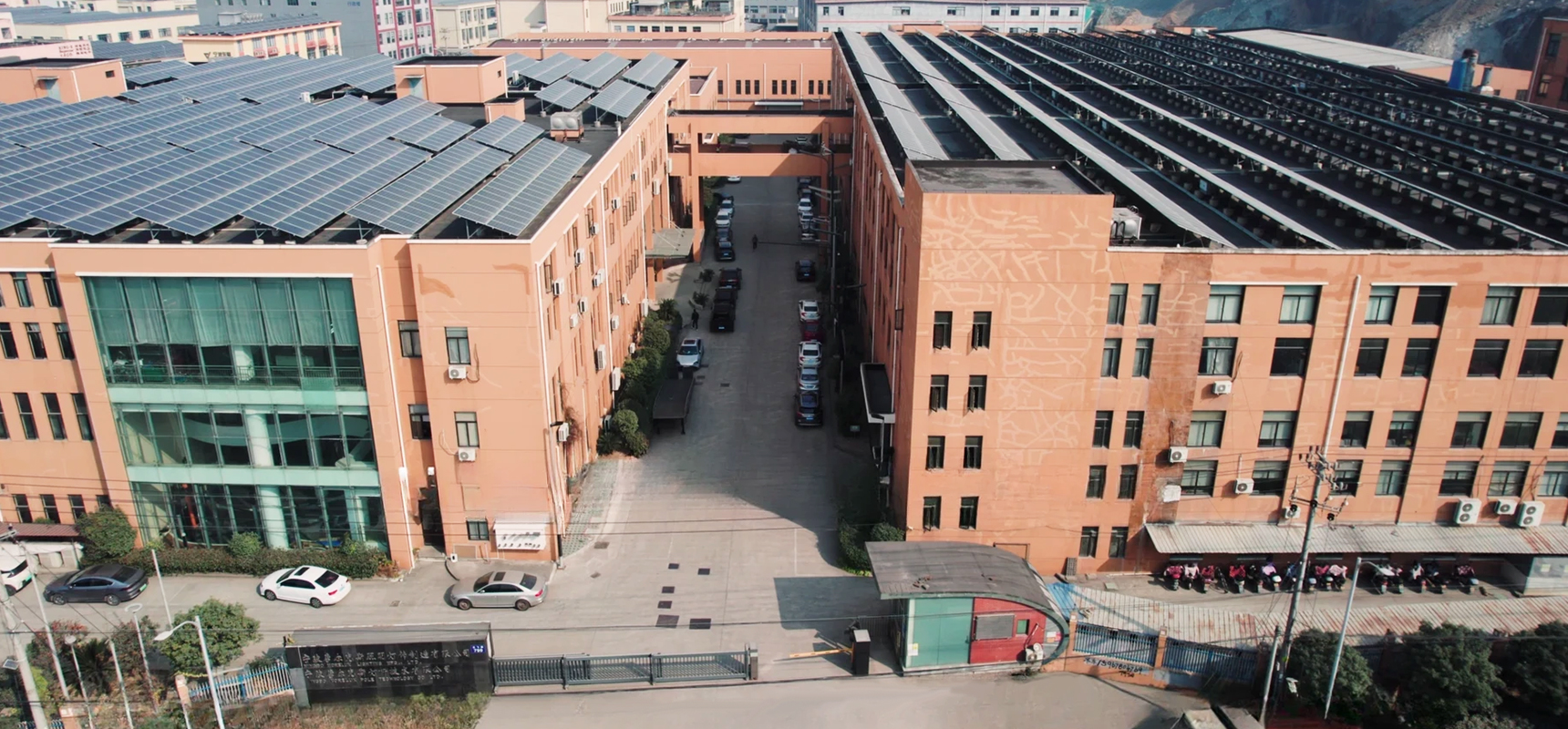
Ningbo Morelux Pole Technology Limited All Rights Reserved. Wholesale American Aluminum Light Pole Manufacturer OEM/ODM American Aluminum Light Pole Company



 English
 Español
 Français
 عربى
عربى italiano