A 120 space retail lot can look evenly lit on a photometric plan and still feel uncomfortable at night. The usual cause is not a weak fixture. It is a mismatch among pole height, spacing, beam distribution, and glare control. The practical conclusion is simple: treat outdoor parking lights as a system, not a catalog i...
View MoreA street lighting layout can look orderly on a site plan and still fail a photometric study. The calculation may show dark patches between poles, glare at a junction, or illuminance below the agreed lighting class. The practical conclusion is simple: run the study before the pole schedule is frozen. A photometric stud...
View MoreA 400 W metal halide fixture that still works can look like a simple lamp swap candidate. In practice, the conversion usually touches four things: light output, ballast compatibility, mounting interface, and the pole or bracket carrying the new load. Treat the project as a small engineering review, not a bulb purchase...
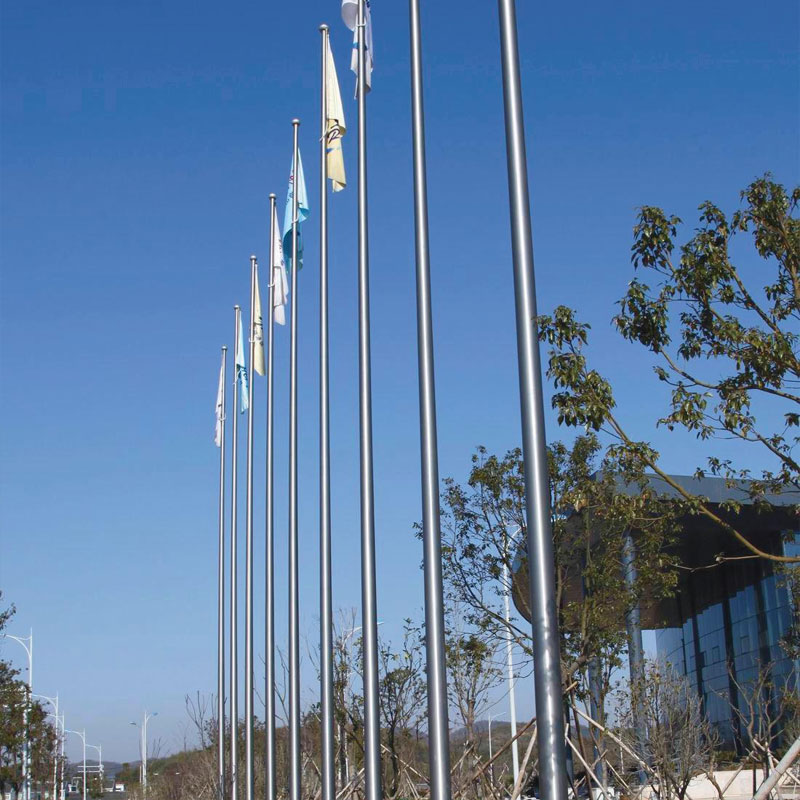
View MoreFlagpoles are an indispensable element in modern urban landscapes, schools, businesses, and public spaces. Among the many flagpole materials available, aluminum flagpole are gradually becoming the mainstream choice due to their superior performance and aesthetically pleasing appearance.
The widespread popularity of aluminum alloy flagpoles is primarily due to the following core advantages:
Not all aluminum alloys are suitable for manufacturing aluminum flagpoles. The industry typically selects high-strength, corrosion-resistant grades, such as:
When purchasing aluminum flagpoles, attention should be paid to the thickness, grade, and surface treatment process of the aluminum material to ensure it can withstand local wind pressure and climatic conditions.
Modern aluminum flagpole design is highly mature, with the following key structures and types:
Installation: Requires precise embedded parts and flanges; verticality and foundation stability are crucial.
Maintenance: Low maintenance; check flag-raising mechanism lubrication, bolt tightness, and avoid harsh cleaning chemicals.
Aluminum flagpole are a modern solution that combines practicality, aesthetics, and economy. When choosing a flagpole, consider the type of aluminum alloy, surface treatment technology, and structural design to ensure long lifespan and best visual effect.
6063-T5/T6 (common and easy to process) and 6061-T6 (higher strength).
Aesthetically pleasing, streamlined, structurally stable, and better wind resistance.
The flag rope and mechanism are inside the pole, making it cleaner and theft-proof.
Yes. The oxide film provides strong corrosion resistance.
Maintenance is simple: check lubrication of the mechanism and tighten bolts as needed.
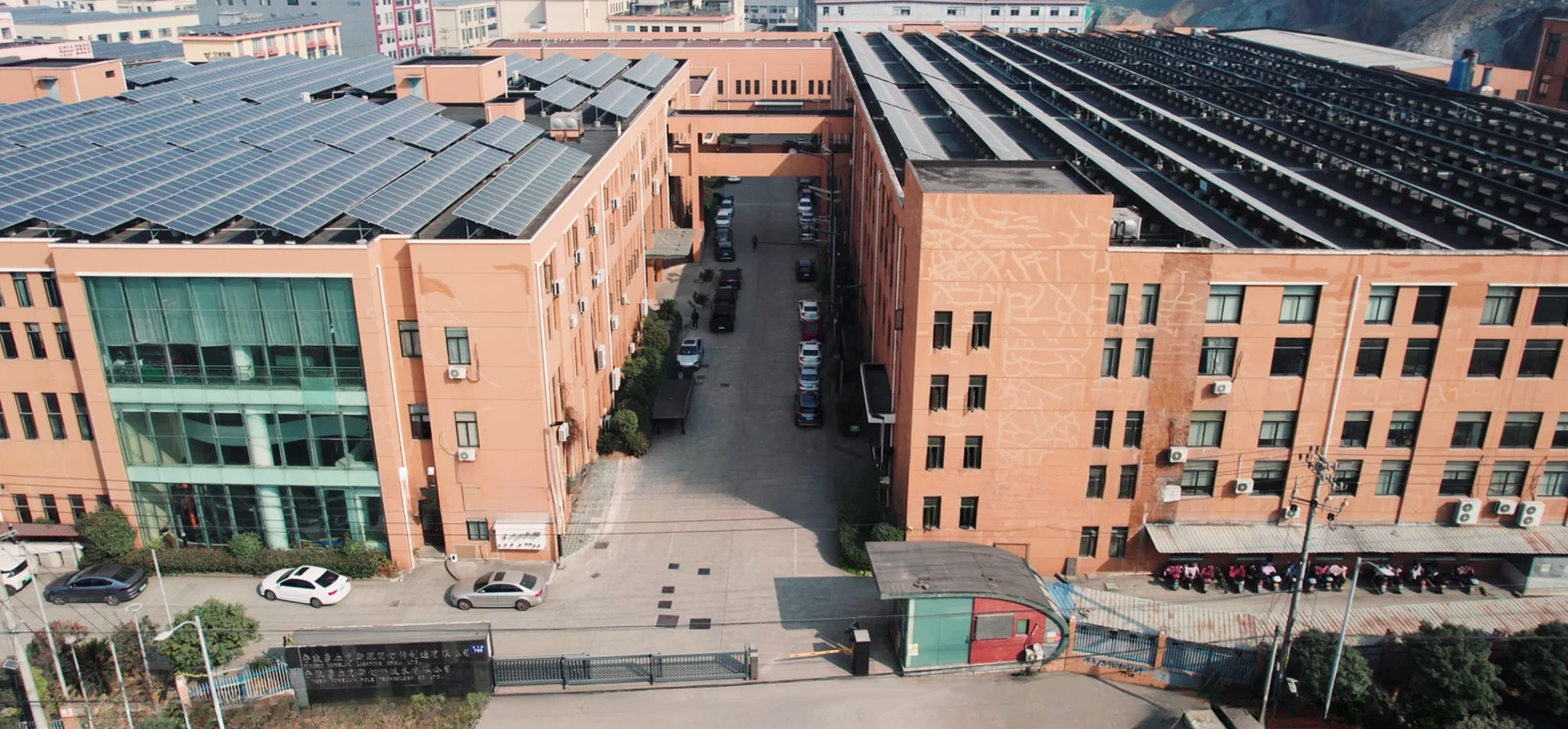
Ningbo Morelux Pole Technology Limited All Rights Reserved. Wholesale Aluminum Flagpole Manufacturer OEM/ODM Aluminum Flagpole Company



 English
 Español
 Français
 عربى
 italiano