English
 Español
 Français
 عربى
 italiano
A street lighting layout can look orderly on a site plan and still fail a photometric study. The calculation may show dark patches between poles, glare at a junction, or illuminance below the agreed lighting class. The practical conclusion is simple: run the study before the pole schedule is frozen. A photometric study connects luminaire data, pole geometry, and the task area. If any of those inputs changes after approval, the report may no longer describe what will be installed.
Content
What a Photometric Study Actually Proves
Photometry measures light in terms that relate to human vision. A photometric study uses that language to predict how a proposed layout will perform. It is not a catalogue sheet and not a guarantee based on a single lamp. It is a calculation model built from luminaire files, mounting details, calculation planes, and assumptions.
For an outdoor project, the outputs usually include average illuminance, uniformity, glare, and sometimes vertical illuminance or luminance. A road study may follow a lighting class from EN 13201 or an owner specific standard. A car park or pedestrian area may use a different grid and a different maintenance factor. The study is useful only when those rules are stated. Two reports can show the same average lux and still describe very different lighting, because uniformity, glare, and maintenance assumptions may not match.
It also matters whether the study is a calculation or a measurement. A design stage study predicts performance. A measurement on site confirms what was built. Both have value, but they answer different questions. Do not accept a measured result as proof of design quality, and do not accept a calculation as proof of installation quality.
Why Pole Geometry Belongs in the Study
Pole height, arm reach, tilt, and spacing are not secondary details. They set where the light lands. A taller pole can widen the spread but reduce illuminance at the task point. A shorter pole can raise glare and create a tighter pool of light. A longer arm can move the peak intensity toward the carriageway, but it can also change the mounting orientation in the luminaire file.
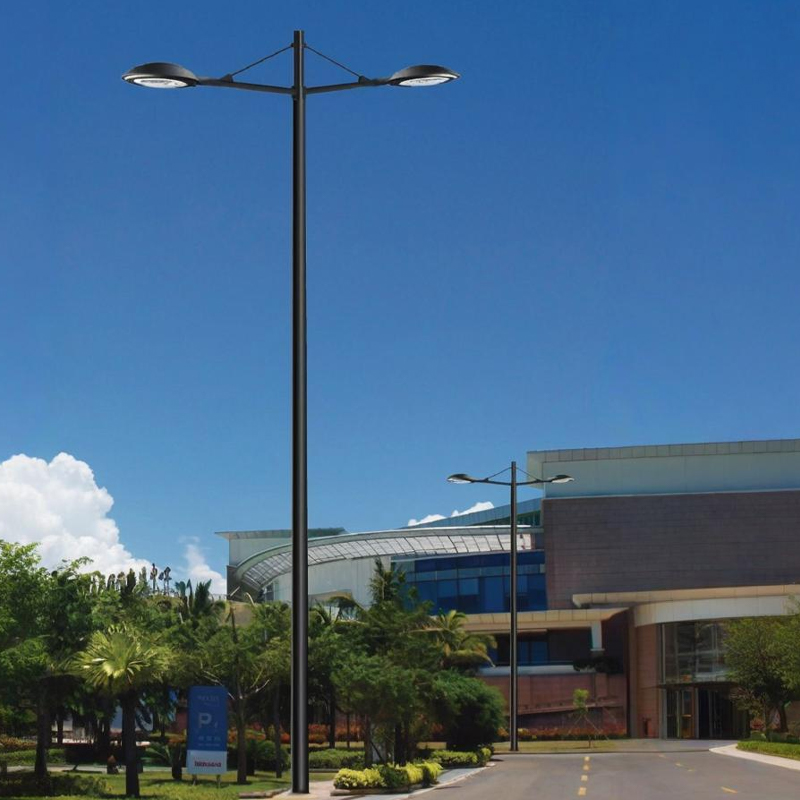
This is where a generic layout often fails. If the study uses a 10 m mounting height and the approved pole is 9 m, the result is not a small rounding issue. The grid values, uniformity, and glare may all move. The same applies to base type, top diameter, and arm angle. For projects using aluminium roadway light poles, the model should use the actual heights and arm configurations from the selected series, not a placeholder. You can review the aluminium roadway light pole range to compare how much the geometry varies between families.
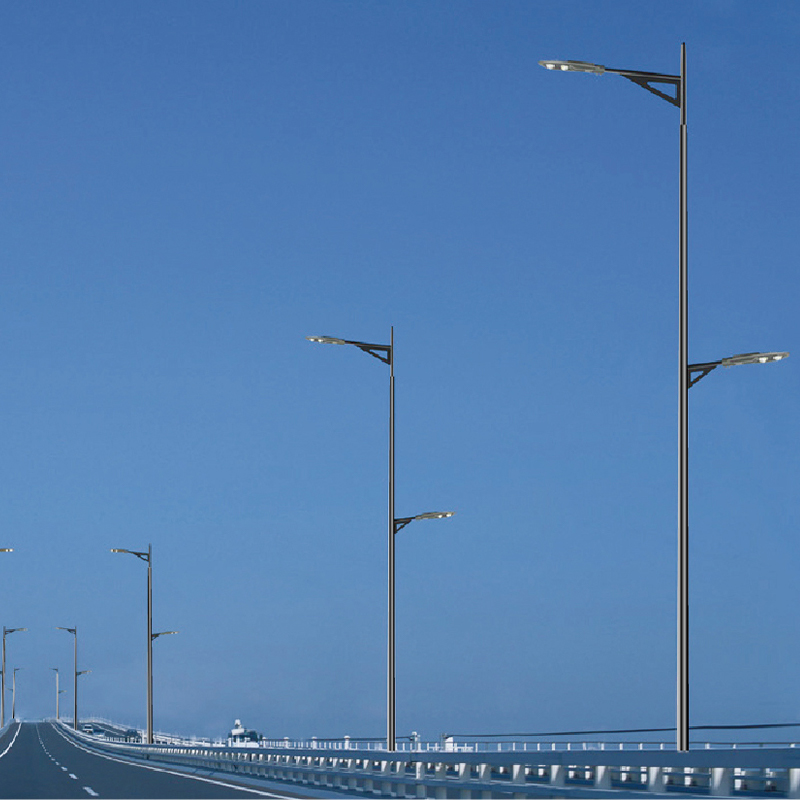 BERMUDA Conical Aluminum Roadway Light Pole SeriesFlange-mounted aluminum roadway poles in 6–10 m heights with varied diameters and bolt patterns, so photometric layouts can use actual pole geometry.View Product →
A pole schedule should list the mounting height, arm length, arm orientation, tenon size, and base type. If any of these are missing, the photometric study is carrying an unstated assumption. That assumption may be reasonable, but it should be visible to the buyer, the lighting designer, and the installer.
Reading a Photometric Report Before You Buy
Reports range from a one page summary to a multi page package. For procurement, the page count is less important than the traceability of the inputs. Ask for the luminaire file, the pole schedule, the calculation grid, and the maintenance factor. Then check the summary values against the project requirement. The table below shows the checks that catch most mismatches.
| Metric | Unit | What to confirm | Procurement risk |
|---|---|---|---|
| Average illuminance | lux or fc | Calculation grid and target class | An average can hide dark patches |
| Uniformity | ratio | Minimum to average or minimum to maximum | Mixed definitions can look compliant |
| Glare | index or percentage | Viewing directions and observer positions | A bright but glary layout may still pass average lux |
| Vertical illuminance | lux or fc | Faces, pedestrians, signs, or camera zones | Road light does not always light vertical surfaces |
| Power and energy | W and kWh | Dimming profile and operating hours | Savings claims are weak without a schedule |
Check the calculation plane as well. Ground level is common for roads, but a pedestrian area may need a different plane. If the report does not say, the numbers cannot be compared with another bidder. Also check the maintenance factor. A clean installation and a ten year old installation are not the same design case. The agreed factor should reflect the owner maintenance plan, not the most favourable number in the file.
Matching Pole, Arm, and Luminaire Without Guesswork
A clean procurement sequence reduces rework. First define the lighting task and the standard. Second select a luminaire and obtain its photometric file. Third set the pole height, arm reach, spacing, and tilt. Fourth run the study and adjust the layout. Fifth freeze the schedule and order against it. If the sequence starts with a price per pole, the lighting decision is already being made backwards.
The interface between pole and luminaire deserves its own check. A tenon adapter can change the effective mounting height and setback. A horizontal entry and a vertical entry are not interchangeable. A four inch fitter and a five inch fitter may both be listed for the same project, but the wrong one can alter the aim or leave the fixture sitting too far from the pole. Confirm the tenon diameter, entry direction, and fitter length before the photometric file is finalised.
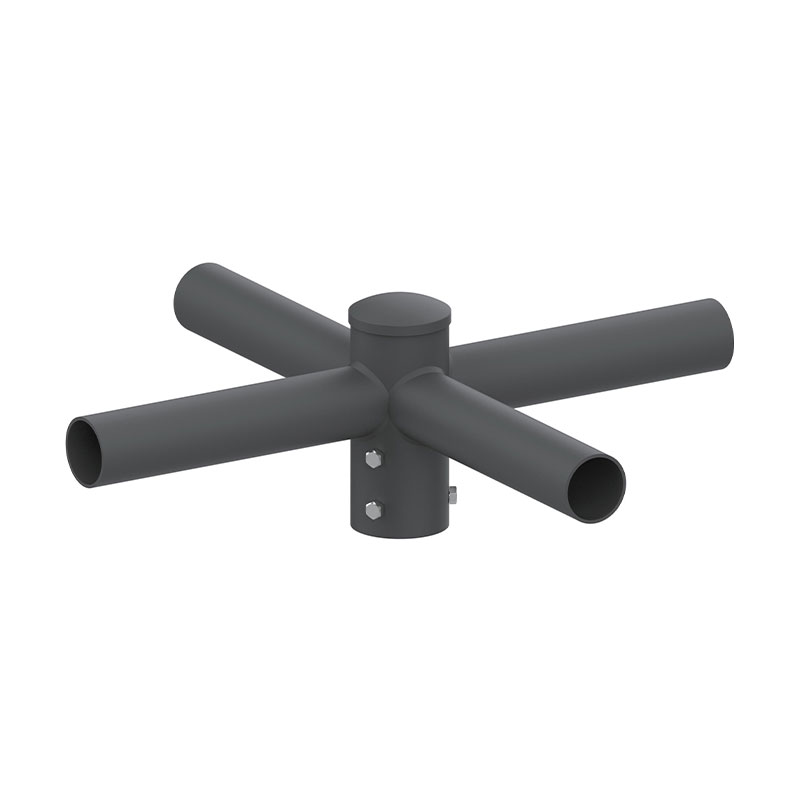 4-Inch Round Horizontal Tenon AdapterSteel tenon adapter with 90°, 120°, and 180° configurations, supporting horizontal luminaire mounting while confirming entry direction and fitter compatibility.View Product →
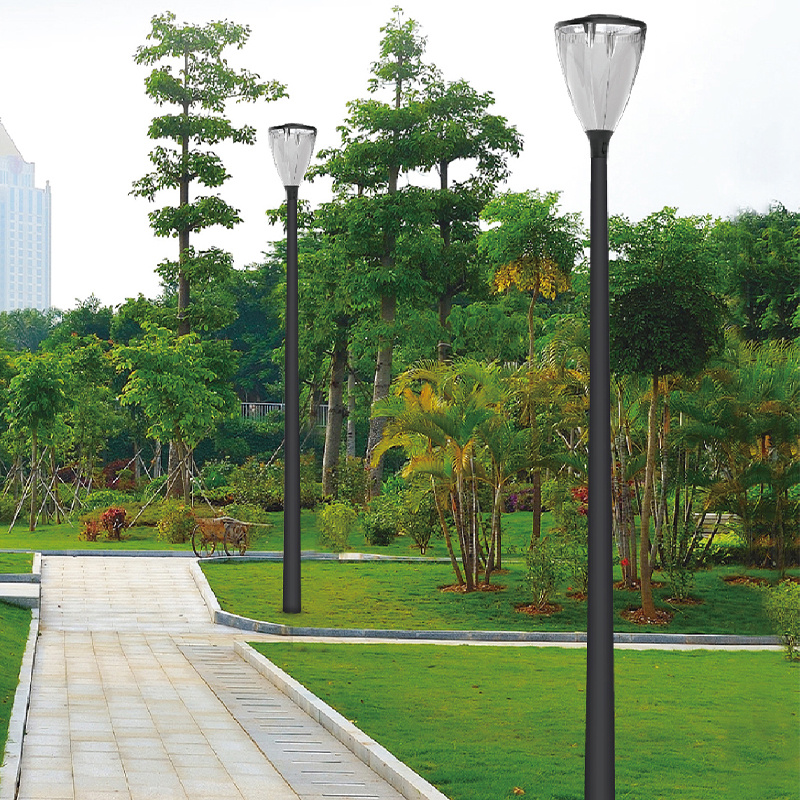
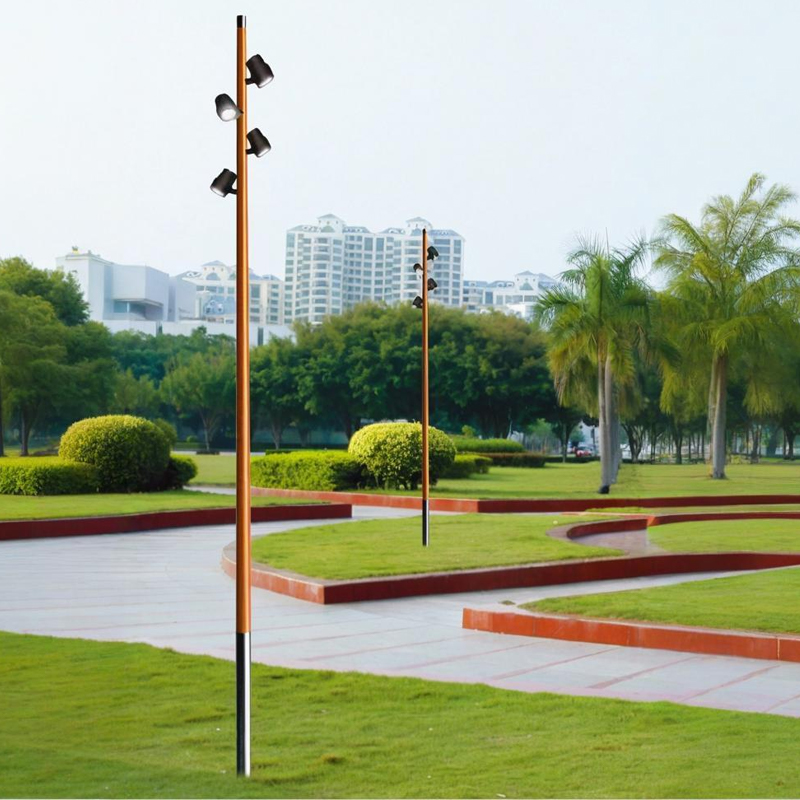
Morelux manufactures aluminium and steel poles as well as accessories, so the pole details can be confirmed before the study is issued. That matters most when a project mixes roadway, landscape, and area lighting on one site. Each family can have a different base, top, and arm detail, and the lighting model should reflect the family that will actually be supplied.
Solar and Smart Pole Projects Need Extra Discipline
Solar lighting makes the assumptions more important. A photometric study at full power is not enough if the system dims after midnight or depends on stored energy. The model should use the real luminaire, the real battery and panel arrangement, and the real dimming profile. A layout that meets the class at 100 percent output may not meet it at 70 percent, and the client will see the difference in winter or after several cloudy days. Morelux solar pole families should be modelled with the selected lamp and control schedule, not with a generic replacement wattage.
 ALBA Flexible HJT Solar Light PoleIntegrated 1 m solar lighting pole with 10 W LED, flexible HJT module, and NCM battery for outdoor projects needing realistic solar and control assumptions.View Product →
Smart poles add another layer, but they do not replace the lighting study. Cameras, sensors, and communication equipment may affect wind load, access, and mounting space. They do not remove the need to calculate illuminance, uniformity, and glare for the lighting task. Keep the lighting model separate from the smart city feature list, then coordinate the interfaces. A clear split prevents a smart pole package from hiding a weak lighting design.
What to Freeze Before Approval
Before signing off a photometric study, freeze the inputs that affect the result. A short checklist is more useful than a long presentation.
- Exact pole height, arm reach, arm angle, and tenon type
- Luminaire file, wattage, optic, and aiming direction
- Calculation grid, task plane, and lighting class
- Maintenance factor and cleaning plan
- Glare and vertical illuminance requirements
- Dimming profile for solar or controlled systems
- Report date, revision, and matching bill of materials
A photometric study is a coordination tool, not a decoration for a tender pack. It protects the buyer from ordering poles that do not match the lighting design, and it protects the designer from approving a layout that cannot be built. If the pole schedule changes, rerun the study. If the luminaire changes, rerun the study. Small geometry changes are not always small lighting changes.
If you need pole geometry, tenon details, and product data confirmed before the lighting study is finalised, contact Morelux with the project location, pole family, and target lighting class. The earlier those facts are fixed, the fewer assumptions the study has to carry.