English
 Español
 Français
 عربى
 italiano
A 400 W metal halide fixture that still works can look like a simple lamp swap candidate. In practice, the conversion usually touches four things: light output, ballast compatibility, mounting interface, and the pole or bracket carrying the new load. Treat the project as a small engineering review, not a bulb purchase. Decide the target light level and distribution first, then choose the LED package and confirm what must change above and below the mounting point.
Content
Start With Delivered Light, Not Wattage
Metal halide lamps are often rated around 85 lumens per watt at the lamp, but delivered lumens at the ground are lower after ballast losses, lumen depreciation, and optic losses. A 400 W metal halide high bay may be replaced by a 150 W LED in many warehouses, but where mounting height is high, aisles are wide, or the old fixture used a narrow reflector, a 200 W or 240 W LED may be needed to keep uniformity. For street and area lighting, compare the existing photometric layout, not only the nameplate. Ask for an isolux plan at the actual mounting height and pole spacing. If the old installation was already underlit, matching the old wattage will simply reproduce the problem. Aim for maintained average illuminance and uniformity targets set by the application, plus any local lighting standard. Keep color temperature consistent across adjacent poles to avoid a patchwork look.
A Practical Metal Halide to LED Wattage Guide
The ranges below are useful for early budgeting and scope checks. They are not a lighting design and should not be used to order fixtures without a layout.
| Metal halide wattage | LED starting range | Typical use and caution |
|---|---|---|
| 100 W | 30 W to 50 W | Small garden or pedestrian area. Check optic and mounting height. |
| 150 W | 50 W to 70 W | Low bay, canopy, or small lot. Glare control matters at low mounting heights. |
| 250 W | 80 W to 120 W | Medium high bay or local road. Verify uniformity before reducing wattage. |
| 400 W | 120 W to 200 W | Common high bay or roadway starting point. 150 W is often quoted, but photometrics decide. |
| 1000 W | 300 W to 500 W | High mast or large apron. Pole load, vibration, and maintenance access need review. |
Choose the Right Conversion Path
Lamp or retrofit kit in the existing fixture
A ballast bypass retrofit lamp can cut energy use by 40 to 60 percent and keeps the existing housing. It also leaves the old optic, gasket, and surge path in place. For indoor high bays in good condition, this can be the lowest first cost route. Confirm whether the lamp is ballast bypass or ballast compatible, who removes the ballast, and whether the existing socket is rated for the new lamp.
Complete LED fixture
A complete fixture is usually the better choice when the optic is wrong, the housing is corroded, or controls are required. New fixtures may weigh less or more than the old metal halide head, so check the mounting and wind area rather than assuming a weight saving.
New pole and fixture assembly
A new pole assembly makes sense when the existing pole is rusted, bent, undersized, or cannot accept the new arm and wind load. It is also the right time to correct mounting height, arm length, and spacing without repeated field fixes.
Pole Load and Mounting Interface
LED fixtures are often lighter than metal halide luminaires, but not always. A large retrofit kit, external driver, or solar module can add weight. More important is the projected area and mounting height. Check the existing pole for corrosion at the base, weld cracks, loose anchor nuts, and foundation condition. Confirm tenon diameter, length, and orientation. Common adapters are sized in inches, so measure before ordering. If a new fixture uses a different shoe or arm, a tenon adapter or wall bracket may solve the interface without replacing the pole.
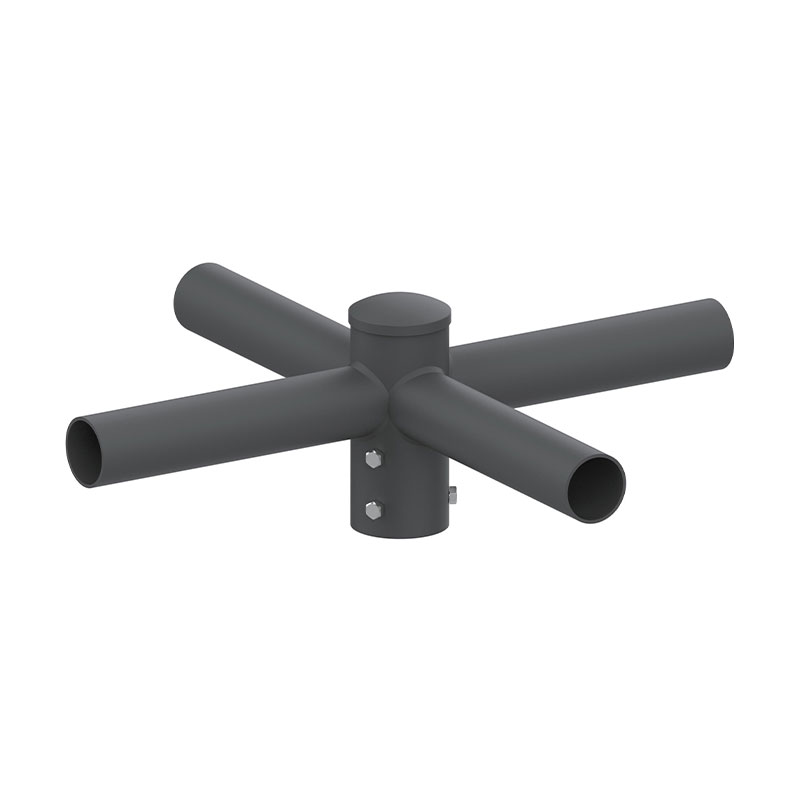 Round Horizontal External Light Pole Tenon AdapterHelps adapt new fixtures to existing poles without pole replacement, with 90°, 120°, and 180° horizontal configurations and multiple finish options.View Product →
Wind load is the part most often missed. A larger LED head or new arm changes the effective projected area. If the pole is already at its limit, a lighter fixture does not automatically make the assembly compliant. Ask the pole manufacturer for the allowable equipment weight and projected area at the installed height, and keep the new head within that envelope. On tall high mast or floodlight poles, also review vibration and access for maintenance.
Controls, Color, and Commissioning
Metal halide restrike is slow, while LED is instant, which can matter for parking lots and roads. Add photocells, timers, or network controls only after checking compatibility. Some LED drivers have low inrush current, but not all. A circuit with many fixtures may need staggered switching. Verify color temperature and color rendering across the site. A 4000 K LED may look cooler than the old metal halide, while 3000 K can be closer for some areas, but local preference varies. Commission after dark if possible. Check glare at eye level and from adjacent properties. Confirm emergency lighting, egress, and signage requirements separately.
When a New Pole Makes Sense
Pole replacement can be cheaper than repeated repairs when the existing pole is rusted through, has a bent section, has a cracked base weld, or cannot accept the new arm and wind load. It is also the right time to correct mounting height, arm length, and spacing. For a parking lot or roadway, changing from outdated 400 W metal halide to LED may allow wider spacing, but do not stretch spacing without a lighting design. Uniformity usually falls before average lux does. New aluminum poles are fully recyclable, and powder coating or anodizing can match the site. If the project needs a different base detail, a base flange mounted pole can simplify anchor bolt layout and future replacement.
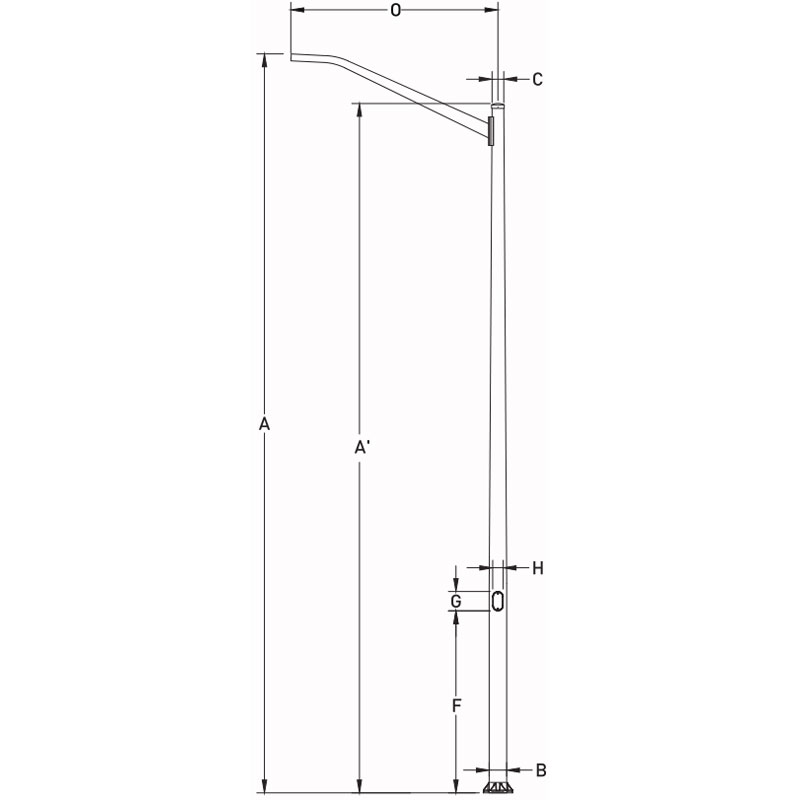 20ft–40ft Aluminum Conical Light Pole with Base FlangeProvides a replacement pole option when existing poles are corroded, bent, or unable to accept new arms and wind loads, with multiple heights and mounting configurations.View Product →
Pole condition and finish deserve the same attention as lumen output. For more on aluminum pole durability and value, see this industry note on aluminum light pole values.
Solar and Off-Grid Options
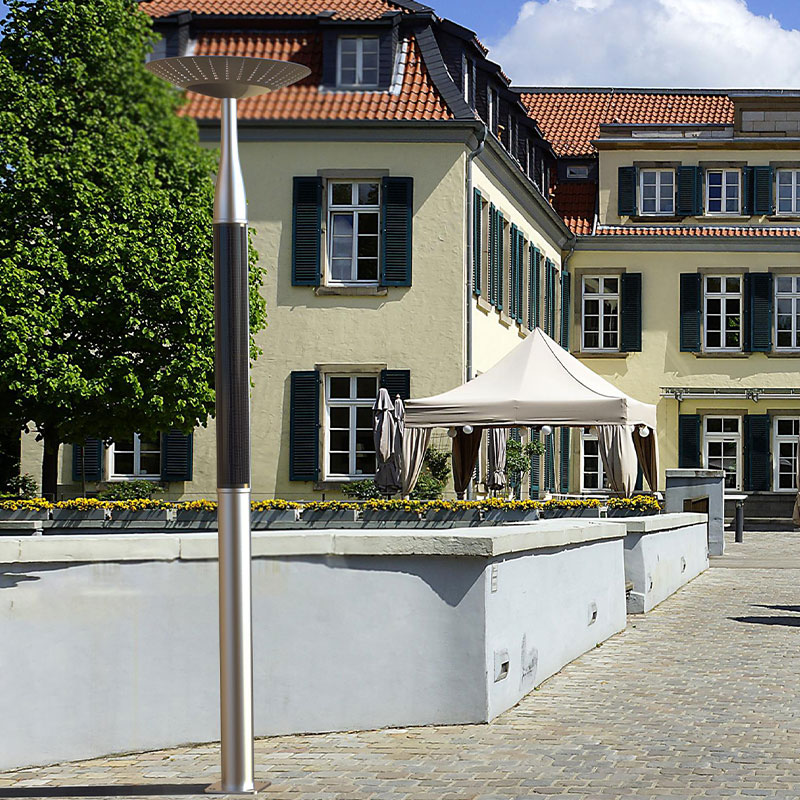
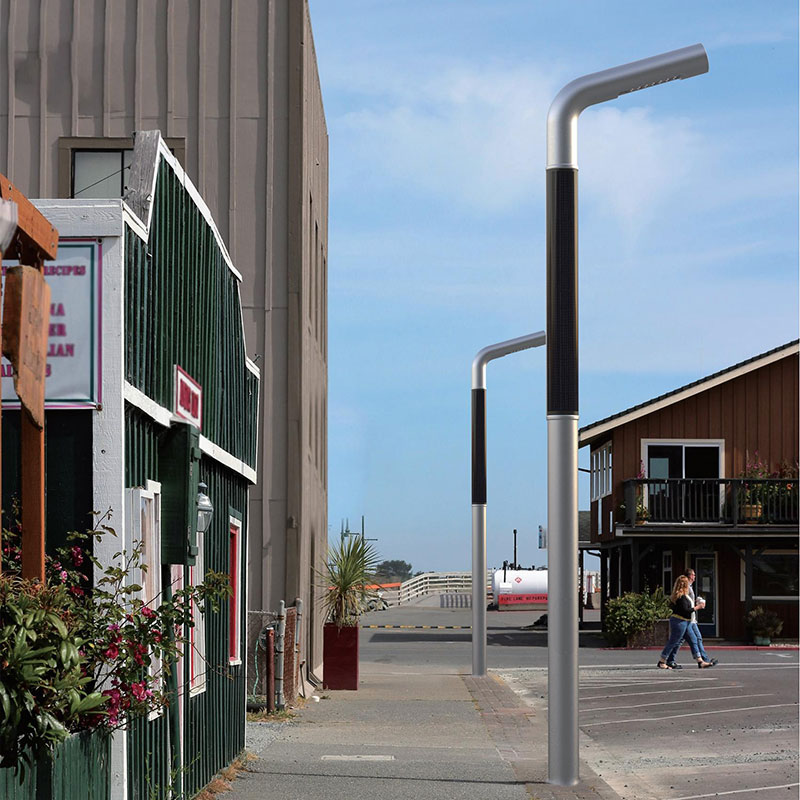
For sites where trenching is expensive or power is unreliable, a solar light pole can replace a metal halide pole and luminaire in one step. The trade-off is that solar output depends on location, winter sun, panel orientation, and battery capacity. Do not size a solar pole by comparing it to a 400 W metal halide wattage alone. Start with nightly energy demand, then add autonomy for cloudy days. Flexible HJT panels and compact battery packs can suit retrofit style projects, but the pole must carry the panel and battery load. Maintenance access also changes.
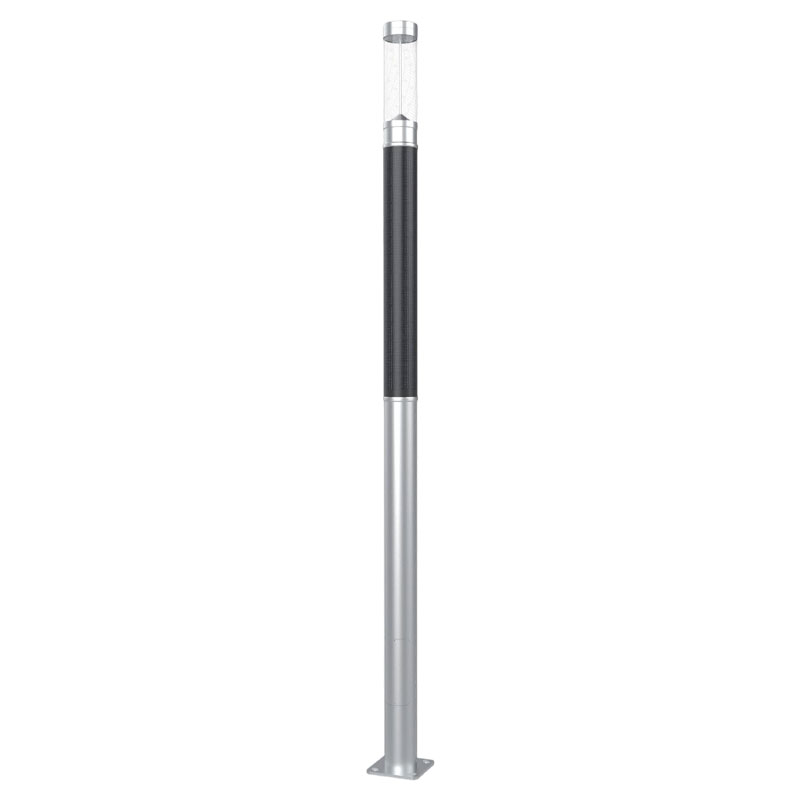 ABISKO Flexible HJT Aluminum Solar Light Pole SystemCombines an integrated aluminum pole, flexible HJT panel, LiFePO4 battery, and 20W LED for sites where trenching is costly or power is unreliable.View Product →
Budget and Procurement Risks
- Comparing lamp wattage only. LED wattage is not equivalent to metal halide wattage.
- Skipping the ballast decision. A plug and play lamp that keeps the old ballast may not deliver rated life or expected savings.
- Forgetting labor. Indoor lifts, traffic control, and electrical permits can exceed hardware cost.
- Assuming a lighter fixture solves pole issues. Wind area, mounting height, and pole condition matter.
- Buying adapters before measuring. Tenon diameter, length, and orientation must match.
- Ignoring rebates and documentation. Keep photometrics, invoices, and commissioning records.
Metal halide to LED conversion works best when the project is treated as a lighting upgrade, not a lamp change. Confirm the light level, choose the right retrofit path, and check the pole and mounting details before ordering. If you are planning a pole and fixture package for a roadway, parking area, or industrial site, contact our team to discuss pole options, tenon adapters, and finish requirements.