English
 Español
 Français
 عربى
عربى italiano
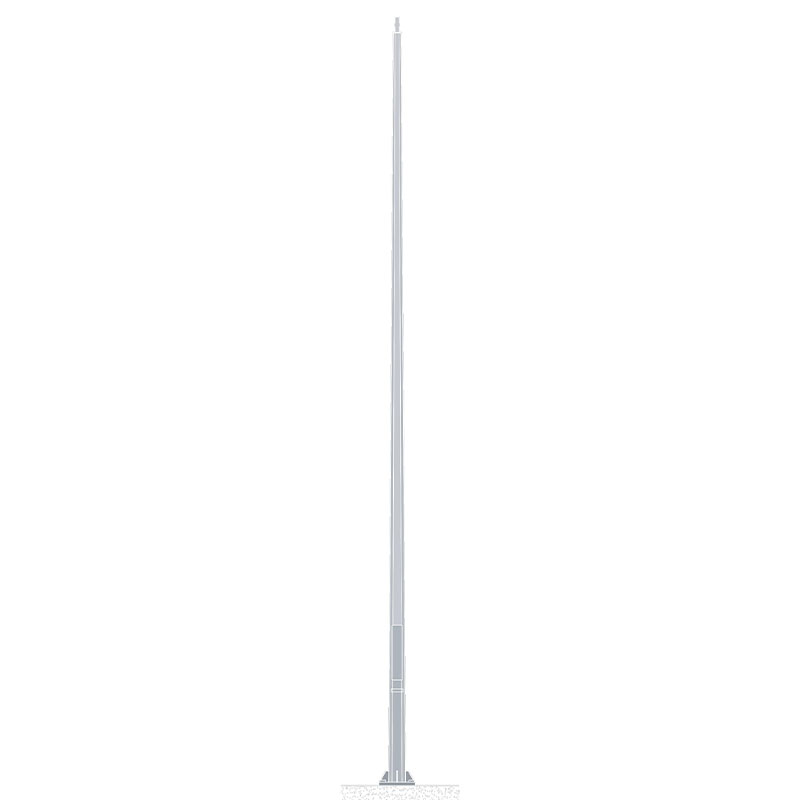
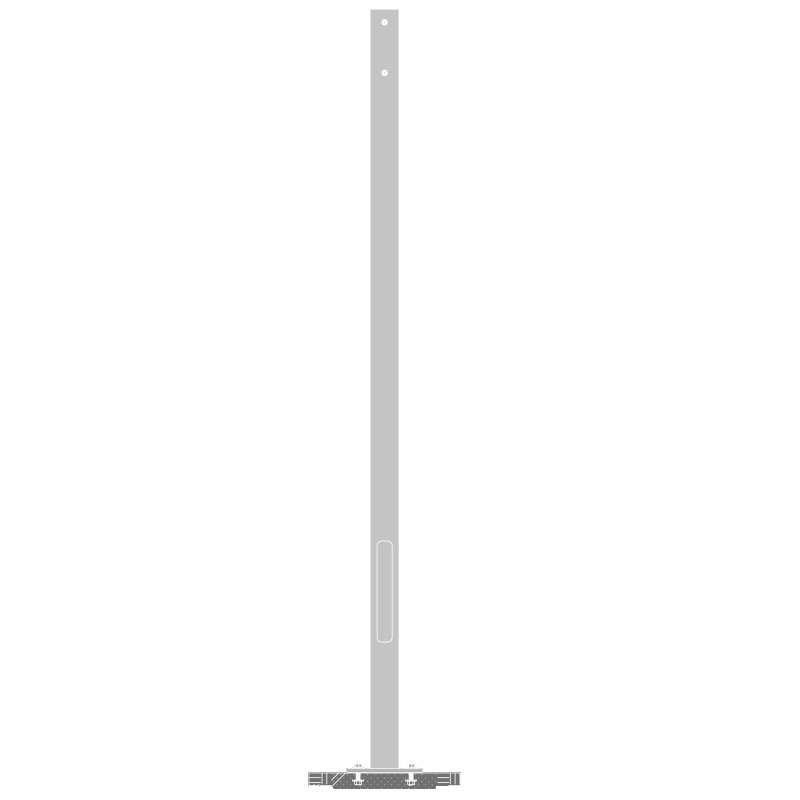
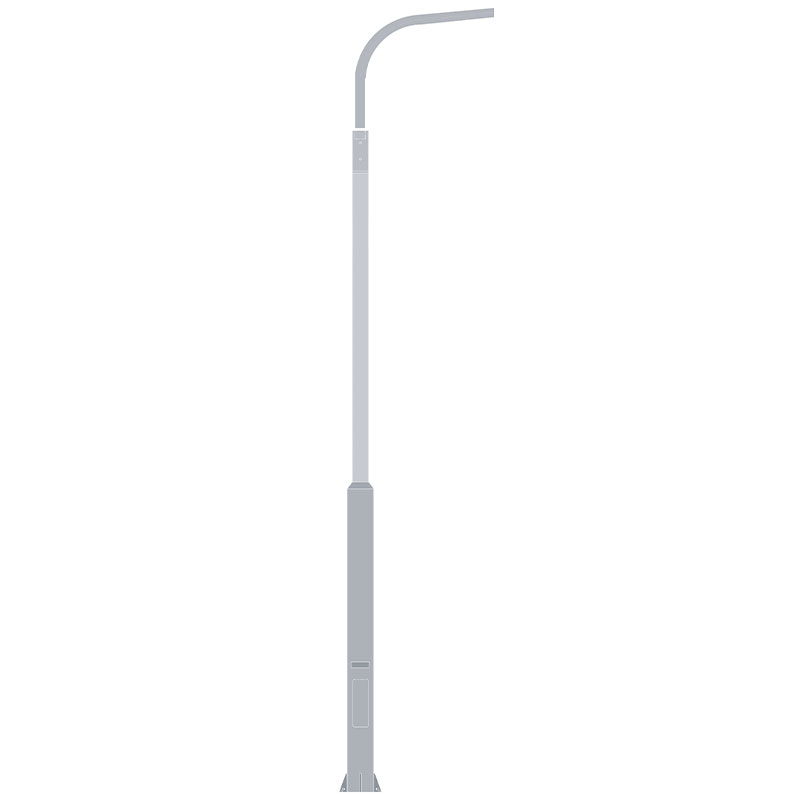
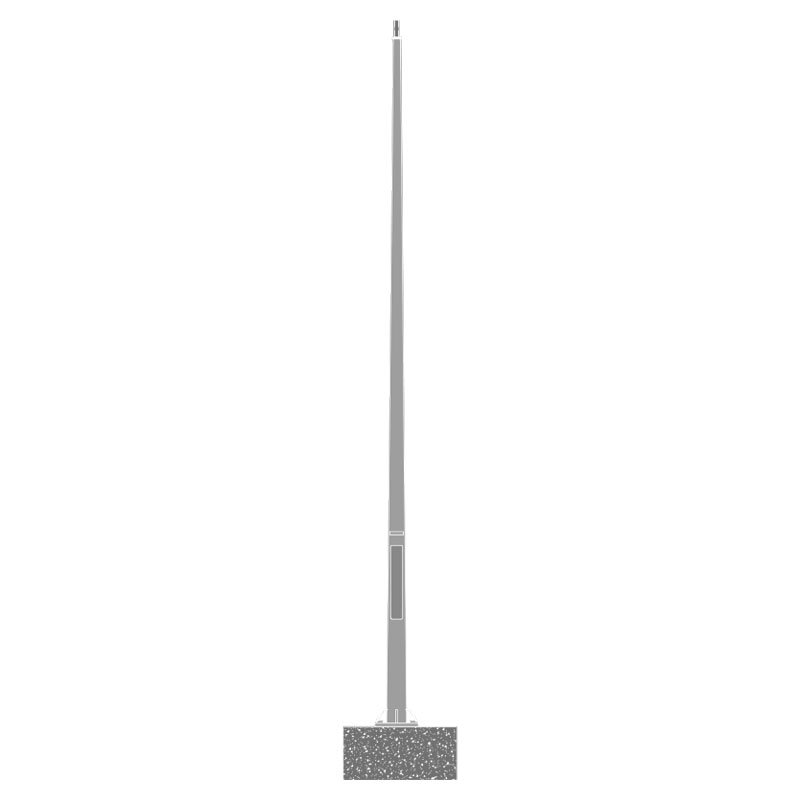
When choosing outdoor lighting equipment, the quality of the material directly determines the lifespan and safety of the project. Currently, the generally accepted best materials for light poles include aluminum alloy and hot-dip galvanized steel. Aluminum alloy light poles, due to their excellent corrosion resistance, lightweight design, and high aesthetic appeal, are the preferred choice for high-end municipal projects and coastal areas; while hot-dip galvanized steel light poles, with their high strength and cost advantages, are widely used in conventional road lighting.
Content
1. Aluminum Alloy Light Poles: A "Perennial" in the High-End Market
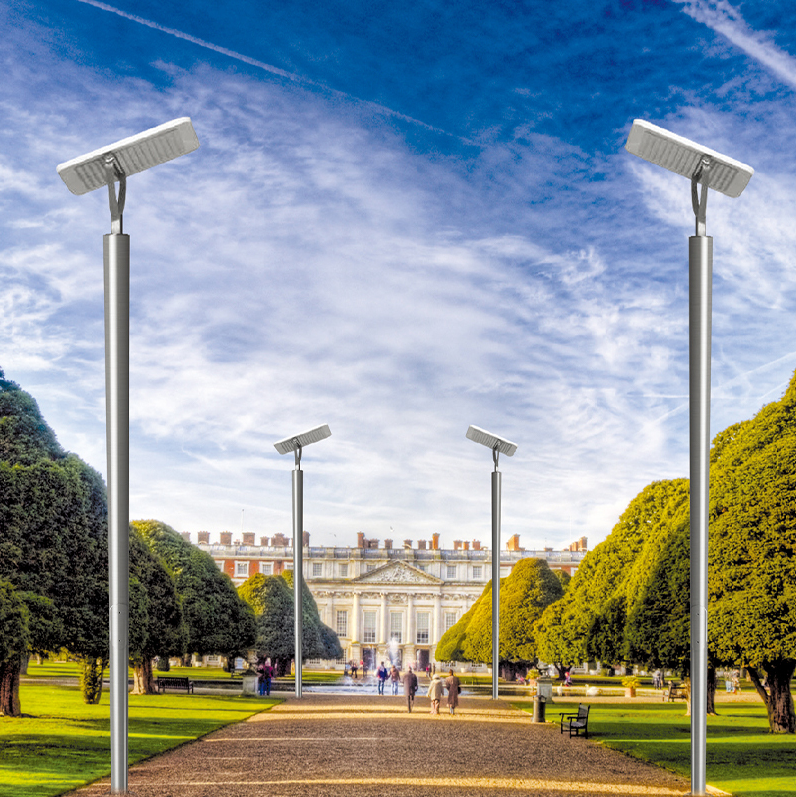
With the advancement of smart city and new energy lighting projects, aluminum light poles are becoming increasingly popular.
Never Rusts: Aluminum alloy surfaces naturally form an oxide film, providing excellent weather resistance. In humid or high-salt-spray areas, aluminum alloy light poles can have a lifespan of over 30 years without the need for subsequent rust removal and painting.
High Safety: Aluminum has excellent energy absorption properties. In the event of a traffic accident, aluminum light poles can absorb impact force through deformation, maximizing the safety of vehicle occupants.
Recycling Value: Aluminum is an environmentally friendly material, and the recycling rate of discarded light poles is extremely high, aligning with sustainable development strategies.
2. Steel Light Poles: Enduring Industrial Pillars
Hot-dip galvanized steel is currently the most widely used light pole material on the market.
High Structural Strength: Steel's high rigidity provides a natural advantage for suspending high-power light sources, complex monitoring equipment, and heavy-duty solar light pole supports.
Mature Technology: Through internal and external hot-dip galvanizing and electrostatic powder coating, steel light poles effectively prevent oxidation and are relatively more affordable, making them suitable for large-scale road network construction.
3. Fiberglass and Composite Materials: Supplements for Specific Scenarios
While not as widespread as aluminum and steel, composite material light poles have their place in special environments:
Excellent Insulation: Suitable for electrically sensitive areas.
Acid and Alkali Resistance: Performs excellently in extremely corrosive environments such as chemical plants.
4. Purchase Guide: How to Choose Light Pole Materials Based on Project Requirements?
As a professional light pole manufacturer, we recommend that buyers refer to the following criteria for selection:
Environment: For areas within 50 kilometers of the coast, aluminum alloy or 316 stainless steel light poles are preferred.
Function: For solar light poles with many installation components, the wall thickness and wind resistance rating of the material should be carefully examined to ensure stable support.
Budget: Hot-dip galvanized and powder-coated light poles are recommended for main municipal roads, balancing durability and economy; aluminum light pole are recommended for high-end scenic spots and commercial streets to enhance the overall appearance.
There is no absolutely perfect material, only the most suitable solution for the scenario. When choosing a light pole, in addition to focusing on the material itself, it is also important to examine the manufacturer's production process, such as weld treatment, galvanized layer thickness, and powder coating uniformity.
If you are facing material selection challenges for your project or need the latest light pole price list, please contact our technical experts. We will provide you with a one-stop lighting support solution.