English
 Español
 Français
 عربى
عربى italiano
Content
The short answer: what does 5000K light mean?
5000K light is a color temperature that produces bright, blue-white illumination close to natural daylight. Lighting designers call it daylight white because it looks crisp, clean, and neutral to most eyes. A parking lot owner who switches from 4000K to 5000K usually notices better contrast on vehicle paint and pavement markings on the first night. For outdoor projects such as roadways, parking lots, security perimeters, and industrial yards, 5000K is the most practical starting point. It is not the best choice for cozy or restful environments, where warm light performs better. The decision becomes easier once you see where 5000K sits on the scale and how the pole system carrying the fixture affects the final result.
Where 5000K sits on the color temperature scale
Color temperature is measured in kelvins and describes the visual tone of a light source. A low value such as 2700K reproduces the warm amber glow of older incandescent lamps. Higher values move toward neutral white and then blue. The sun at midday measures around 5800K, so 5000K sits close enough to natural daylight to feel familiar and bright. Most LED fixtures rated at 5000K are sold as daylight white, and the difference from 3000K is obvious side by side: one feels golden, the other feels clean and neutral.
The kelvin scale from warm to cool
The bars above show where common kelvin values sit on the light scale. Each bar length reflects its position from warm amber to cool blue. The 5000K bar, highlighted in red, sits in the daylight-white zone that modern LED fixtures reproduce easily. In practice, 5000K looks white to most people, with only a faint blue cast. This is why specifiers describe it as neutral daylight rather than cool blue. When you move to 6500K, the blue cast becomes visible at a glance, which is the key difference that guides fixture selection.
5000K vs 3000K, 4000K, and 6500K
Choosing a color temperature comes down to what the eye must do at night. Warm light flatters faces and facades; cool light sharpens contrast. The table below summarizes the main differences for typical outdoor and commercial projects.
| CCT | Appearance | Best suited for | Keep in mind |
|---|---|---|---|
| 3000K | Warm amber-white | Hotel grounds, garden paths, restaurant terraces | Warm look, weaker color recognition |
| 4000K | Neutral white | Offices, retail streets, mixed-use areas | Balanced but less daylight-like |
| 5000K | Daylight white | Roads, parking lots, warehouses, security perimeters | Feels harsh in residential rooms at night |
| 6500K | Cool blue-white | Inspection lines, industrial tasks | Strong blue content, higher glare risk |
The graph after the table shows why these differences exist at the source level. A fixture's spectral distribution determines how much blue content reaches the eye.
Simplified spectral distribution of 3000K, 5000K, and 6500K sources
The line chart compares the visible spectrum of three common color temperatures. A 5000K source spreads its energy fairly evenly, with a slightly stronger blue component below 500 nanometers. The 3000K curve carries most of its energy in warm orange and red wavelengths, which explains its cozy look. The 6500K curve is the opposite, with a pronounced blue peak that increases glare sensitivity. This distribution is why 5000K renders neutral colors accurately without the harsh blue tint of 6500K. It also explains why the same pavement looks grayish under 3000K but crisp under 5000K. For lighting poles that carry street and security fixtures, that balance is exactly what most project owners need.
Best applications for 5000K lighting
The strongest argument for 5000K is task performance at night. Roads and parking lots need fast recognition of shapes, people, and vehicle colors, and 5000K delivers that better than warm light. It also works well for warehouse loading zones, perimeter security, and any area where cameras rely on consistent illumination. For street lighting, a fixture around 5000K combined with a Bermuda conical aluminum roadway pole produces even distribution and good vertical contrast. Remote corridors without grid access can also benefit from the same daylight quality when the lighting head is paired with a solar-powered pole system.
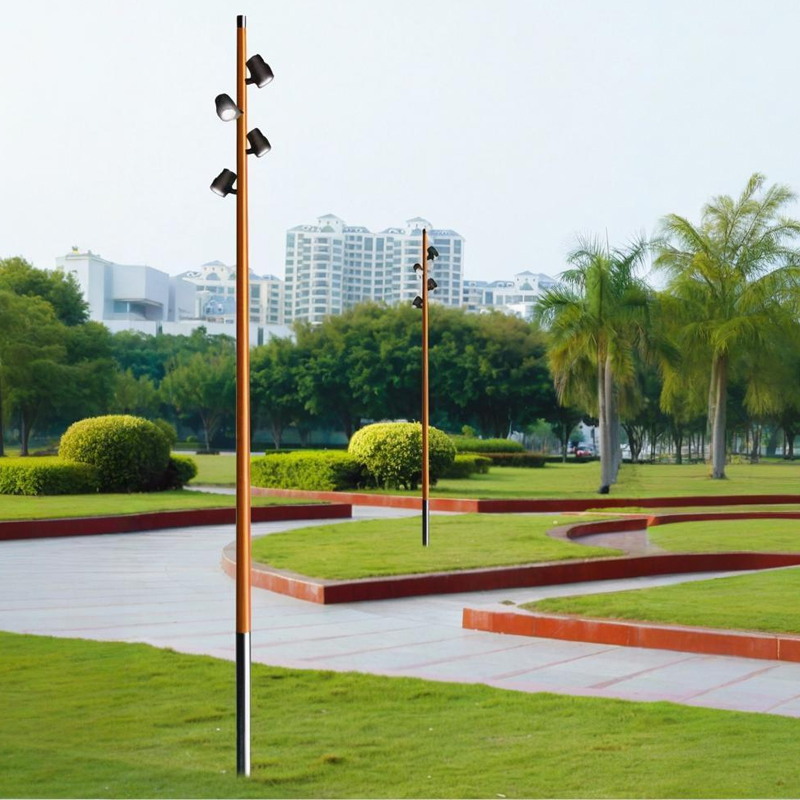
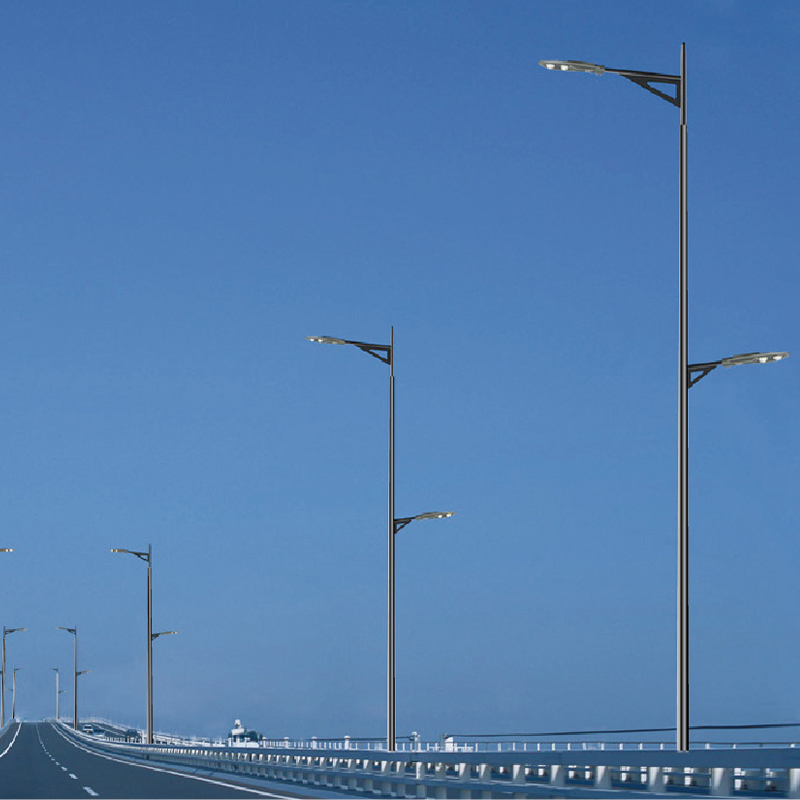 Custom BERMUDA Conical Aluminum Roadway Light Pole Supplier, Factory - Ningbo MoNingbo Morelux Pole Technology Limited is China BERMUDA Conical Aluminum Roadway Light Pole supplier and factory, professional custom BER...View Product →
Suitability of 5000K light by application
The vertical bars rate how well 5000K light performs in common settings. Roadways, parking lots, and security perimeters score highest because they depend on crisp visibility and accurate color at night. Warehouses score well because workers identify labels and safety markings more easily under neutral daylight tones. Retail and office spaces sit in the middle, where 5000K is acceptable but 4000K is often preferred for comfort. Cafes and bedrooms score low, because warm light supports relaxation far better. The pattern is simple: choose 5000K where tasks and safety matter most. Choose warm light where people rest.
Trade-offs to check before specifying 5000K
Glare and optical control
Bright blue-white light creates strong glare if the optic is poorly chosen. A 5000K fixture should always use full-cutoff optics so the beam lands on the pavement instead of scattering into windows or the sky. Ask the manufacturer for photometric data and verify the distribution pattern against the mounting height and spacing of the poles.
Human and ecological effects
Blue-rich light suppresses melatonin and can disturb residents and wildlife near the project site. In residential streets, many municipalities prefer 3000K or 4000K to reduce this effect. In commercial or industrial zones, 5000K is usually acceptable because people expect bright, working light. Check local regulations before committing to a color temperature, and consider dimming controls for late-night hours. These broader questions connect directly to the conversation around the five core values of future urban lighting. For sites far from the grid, the same 5000K quality can run on photovoltaic power: an Alba flexible HJT solar light pole avoids trenching, cable runs, and monthly energy charges while keeping the daylight-white look.
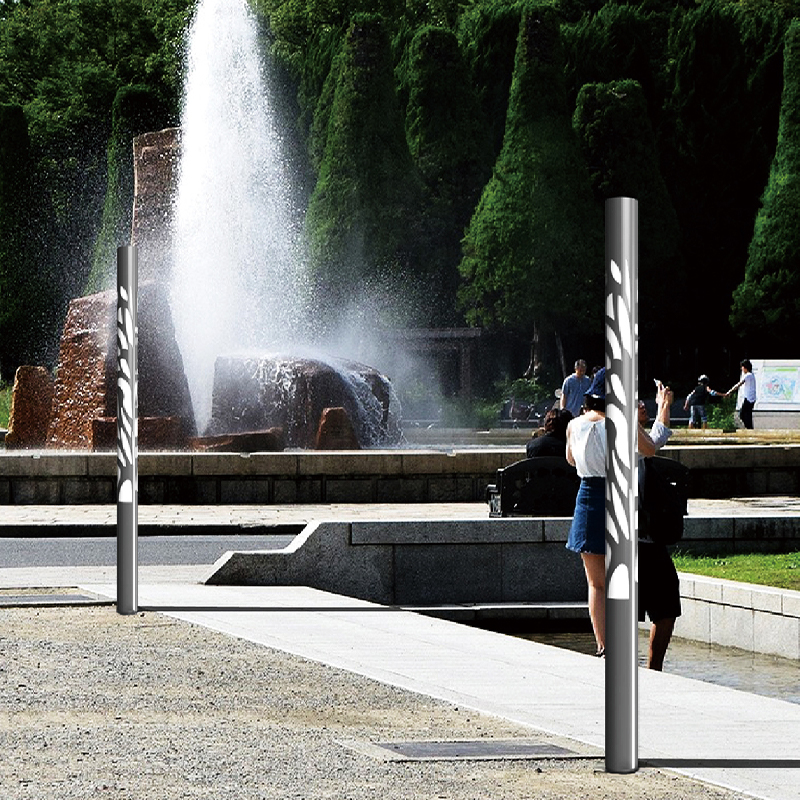
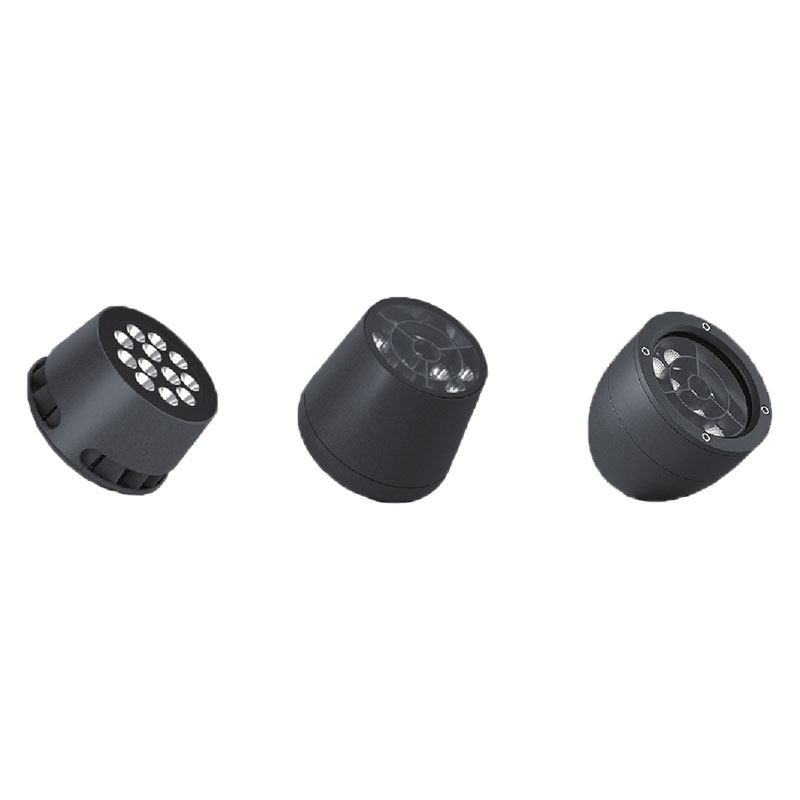 Custom ALBA Flexible HJT Solar Light Pole Supplier, Factory - Ningbo Morelux PolNingbo Morelux Pole Technology Limited is China ALBA Flexible HJT Solar Light Pole supplier and factory, professional custom ALBA Flexibl...View Product →
Keep these points on the checklist:
- Full cutoff optics to control glare and prevent spill light.
- A fixture CRI of 70 or higher for safe recognition of colors.
- Mounting heights that avoid dark bands between poles.
- Spacing ratios that keep pavement luminance uniform.
Matching 5000K luminaires with the right pole
A 5000K luminaire is only as good as the structure that carries it. Pole material, height, mounting type, and wind load all affect the final result. The wrong combination creates poor uniformity and shortens the service life of the installation.
Match the pole material to the environment
Aluminum poles resist corrosion, weigh less, and need less maintenance, which makes them a strong fit for coastal and humid climates. Steel poles offer higher strength for tall or heavily loaded applications. For most roadway and parking projects, conical steel light poles are a dependable option when budgets require extra rigidity. Aluminum is the usual choice when the project values lightweight installation and long-term corrosion resistance.
Mounting, height, and wind load
The mounting method comes first: base flange mounting suits paved areas where the foundation is cast above grade, and direct burial suits greenfield sites where a planted shaft is quicker to install. Height must match the beam angle so the 5000K light covers the pavement evenly. For parking lots and access roads, a common specification is a 10 ft to 40 ft aluminum conical pole with base flange mounting, which handles both low-level site lighting and higher mast applications.
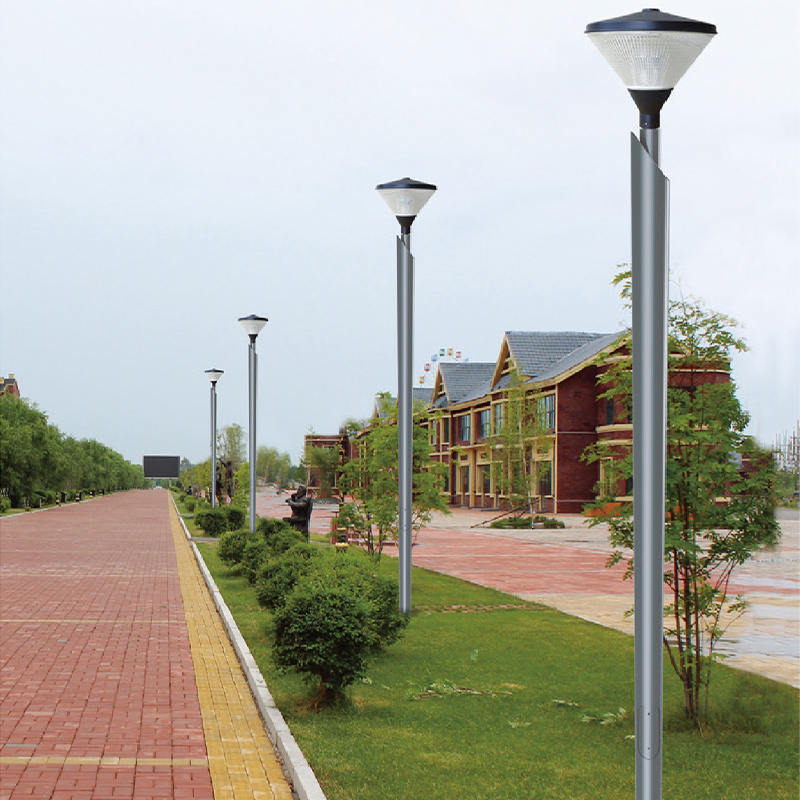
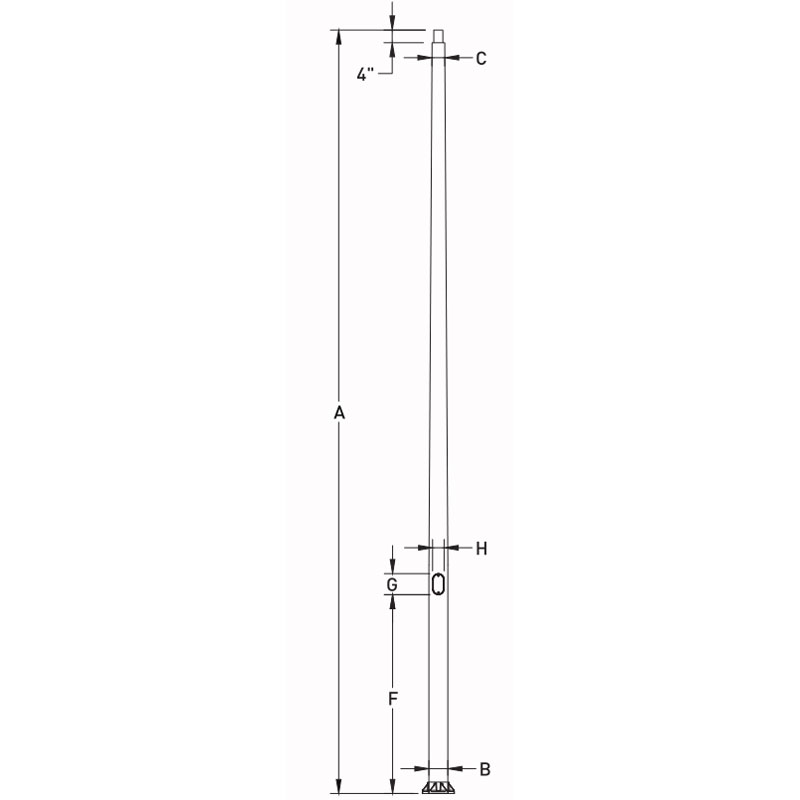 Custom 10ft-40ft Aluminum Conical Light Pole, Base Flange Mounting Supplier, FacNingbo Morelux Pole Technology Limited is China 10ft-40ft Aluminum Conical Light Pole, Base Flange Mounting supplier and factory, profess...View Product →
Work through these steps in the same order every time:
- Confirm the mounting method: base flange or direct burial.
- Select aluminum for corrosion resistance or steel for maximum strength.
- Match pole height to the fixture beam angle.
- Verify wind load with a structural calculation for the site.
- Specify a durable finish such as powder coating for the local climate.
3000K vs 4000K vs 5000K: a practical comparison
The radar diagram compares 3000K, 4000K, and 5000K across six practical criteria. Perceived brightness rises with color temperature, which is why 5000K leads that axis. Color accuracy improves as you move past 4000K, and 5000K gives the most neutral result. Visual comfort and ambiance, by contrast, favor the warm side of the scale. The chart confirms there is no universal winner; the right answer depends on the location. For light poles that carry street and security fixtures, the 5000K profile is usually the best trade-off because brightness and task clarity matter most. Use 4000K where comfort matters, and reserve 3000K for landscape and hospitality settings.
Final recommendation
5000K light is the right answer for outdoor and commercial spaces that demand bright, neutral, daylight-quality illumination. Specify it for roadways, parking lots, warehouses, and security perimeters. Pair it with the correct pole, optics, and mounting method, and the result is a safe, uniform, low-maintenance lighting system. If your project is residential or hospitality oriented, drop to 4000K or 3000K instead. For more guidance on fixture and pole combinations, browse the complete light pole product range, or contact our engineering team with your site details before you finalize the specification.