English
 Español
 Français
 عربى
عربى italiano
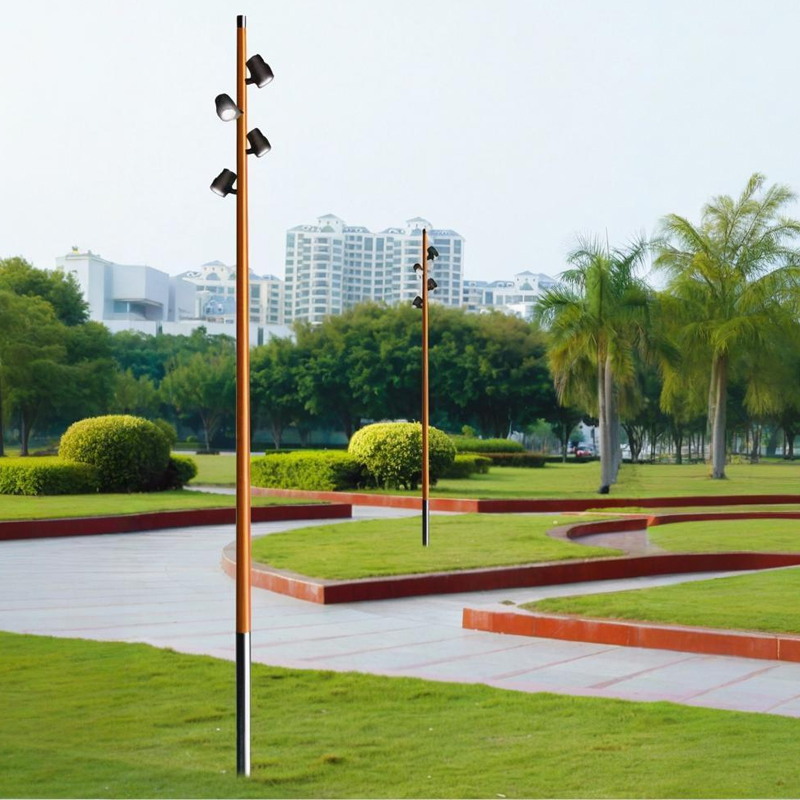
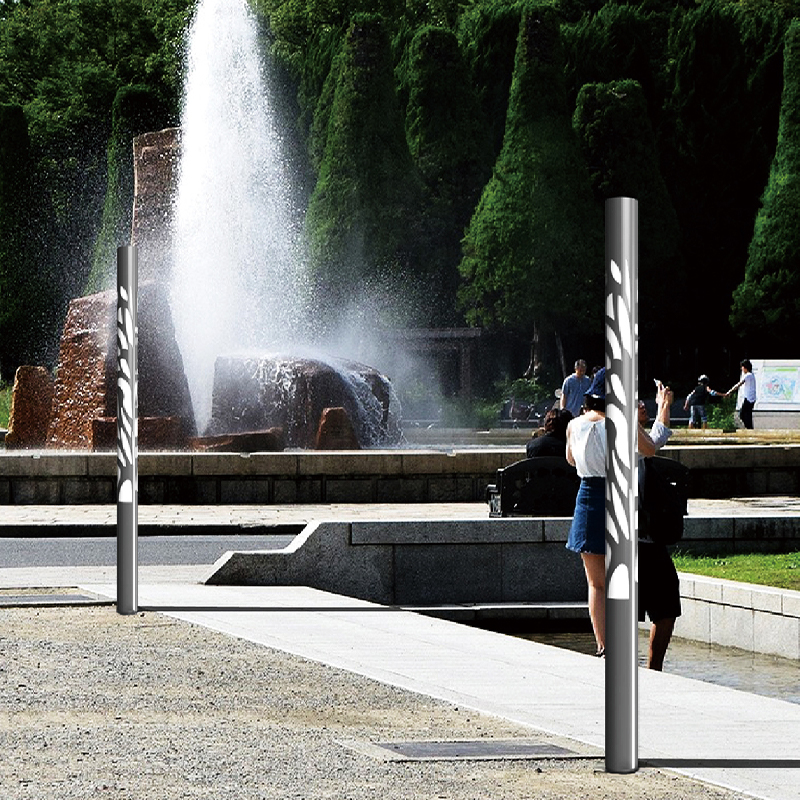
Aluminum light poles are commonly used in coastal and marine environments, residential streets, parks, pedestrian walkways, and decorative architectural lighting projects, wherever corrosion resistance, reduced weight, and refined aesthetic appeal matter more than the extreme load capacity that steel poles are engineered to handle. Their natural resistance to rust and lighter overall weight make aluminum particularly well suited to applications where saltwater exposure, easier installation, or a more polished visual appearance are priorities over the heavy-duty structural demands of highways or stadium lighting. Infrastructure planning references commonly used in outdoor lighting design note that aluminum poles are frequently specified for installations under 10 meters in height where moderate wind loads and lighter fixture assemblies make aluminum's strength-to-weight advantages a practical fit.
Content
- 1 Coastal and Marine Environment Lighting
- 2 Residential Streets and Neighborhood Lighting
- 3 Parks, Trails, and Pedestrian Walkways
- 4 Decorative and Architectural Lighting Projects
- 5 Commercial and Retail Property Lighting
- 6 Golf Courses and Recreational Facility Lighting
- 7 Bridges and Elevated Walkway Applications
- 8 Who Should Consider Aluminum Poles for Their Project
Coastal and Marine Environment Lighting
Aluminum's natural corrosion resistance makes it a particularly strong choice for lighting installations near oceans, harbors, and other saltwater-exposed environments, where standard steel poles would require significantly more protective coating maintenance over time.
Why Aluminum Suits Coastal Applications
- Natural oxide layer resists the accelerated corrosion that saltwater exposure causes in untreated steel
- Lower maintenance requirements reduce the long-term upkeep burden common in harsh marine climates
- Lighter weight simplifies installation logistics on boardwalks, piers, and waterfront promenades
An Aluminum Light Pole installed along a beachfront walkway or marina typically maintains its finish and structural integrity far longer than a comparable steel pole without enhanced protective coatings, making it a practical long-term investment for coastal municipalities and resort developments.
Residential Streets and Neighborhood Lighting
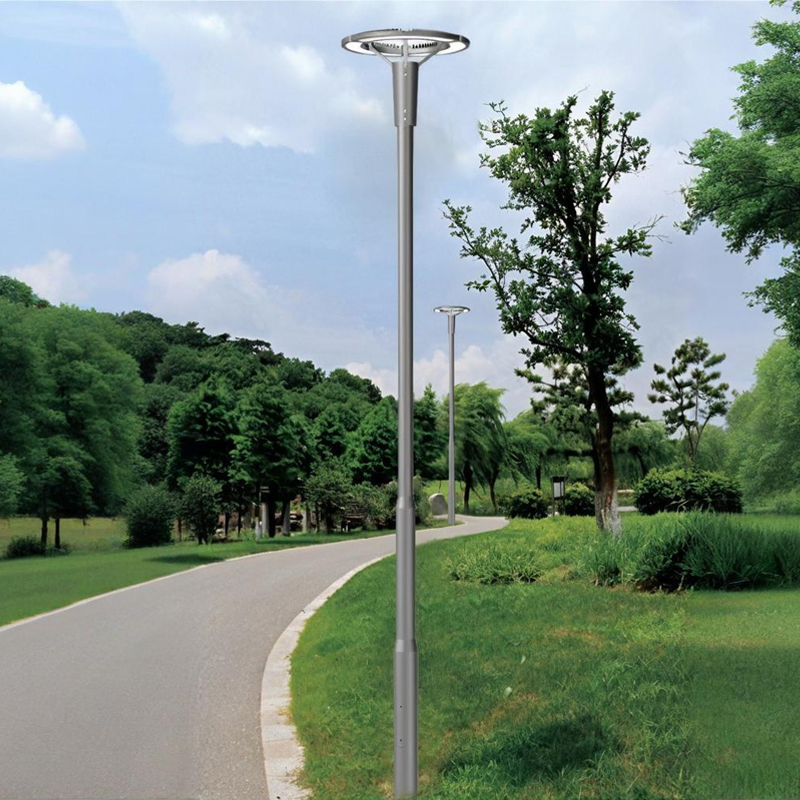
Aluminum poles are frequently specified for residential street lighting, where moderate height requirements and a refined visual appearance align well with the material's natural characteristics.
Residential Application Considerations
| Setting | Typical Pole Height | Common Design Style |
| Residential streets | 4 to 7 meters | Decorative or traditional styling |
| Neighborhood common areas | 5 to 8 meters | Modern or ornamental designs |
These moderate height requirements fall well within aluminum's practical structural range, allowing developers to achieve an attractive streetscape appearance without the added weight and installation complexity associated with steel poles engineered for far greater load capacities.
Parks, Trails, and Pedestrian Walkways
Public parks and pedestrian pathways often prioritize both aesthetic integration with the natural landscape and manageable installation logistics, both of which align well with aluminum pole characteristics.
Why Parks and Walkways Favor Aluminum
Lightweight aluminum poles are easier to transport and install in park settings where heavy equipment access may be limited by walking paths, garden areas, or landscaped terrain, reducing overall installation complexity compared to heavier steel alternatives requiring more substantial handling equipment.
Aesthetic Integration With Landscape Design
Aluminum's ability to be finished in a wide range of colors and decorative profiles allows park designers to select lighting that complements the surrounding natural or architectural landscape more seamlessly than utilitarian steel pole designs typically allow.
Decorative and Architectural Lighting Projects
Beyond functional illumination, aluminum poles are widely used in decorative lighting applications where visual design plays a significant role alongside basic lighting performance.
Common Decorative Applications
- Historic district streetlights designed to match traditional architectural styling
- Shopping district and pedestrian plaza lighting emphasizing polished, upscale visual presentation
- Hospitality and resort property lighting where design cohesion with surrounding architecture matters significantly
Aluminum's formability during manufacturing allows for intricate decorative detailing and smooth architectural profiles that support these design-focused applications without compromising the pole's basic structural performance for its intended moderate load range.
Commercial and Retail Property Lighting
Retail centers and commercial properties frequently use aluminum poles for parking area and walkway lighting, particularly when project budgets and installation timelines favor lighter, easier-to-handle equipment.
Commercial Property Advantages
- Reduced foundation requirements compared to heavier steel poles supporting similar fixture loads
- Faster installation timelines due to easier handling and reduced crane or lift equipment needs
- Attractive finish options that support brand-aligned property aesthetics for retail developments
These practical advantages make aluminum poles a common choice for shopping center parking lots and commercial walkways where moderate height and fixture load requirements do not necessitate the heavier structural capacity steel provides.
Golf Courses and Recreational Facility Lighting
Recreational facilities such as golf courses, sports parks, and outdoor recreation areas often use aluminum poles for pathway and low-intensity area lighting, where corrosion resistance near irrigation systems and water features provides additional practical benefit.
Why Recreational Facilities Choose Aluminum
Golf courses and similar facilities frequently involve regular exposure to irrigation moisture and fertilizer chemicals, conditions where aluminum's corrosion resistance offers a practical advantage over steel poles that would require more frequent protective maintenance in these chemically active environments.
Bridges and Elevated Walkway Applications
In certain pedestrian bridge and elevated walkway projects, aluminum's reduced weight becomes a specific structural advantage, since lighter poles place less load demand on the supporting bridge or walkway structure itself.
Weight Considerations for Elevated Structures
Engineers designing lighting for pedestrian bridges or elevated boardwalk structures often specify aluminum poles specifically to minimize additional structural load, since every kilogram of pole weight factors into the overall load calculations for the supporting elevated structure.
Across these varied applications, a properly specified Aluminum Light Pole provides the corrosion resistance, reduced weight, and design flexibility needed to meet project requirements without the added structural demands that heavier steel alternatives are engineered to address.
Who Should Consider Aluminum Poles for Their Project
Coastal municipalities, park developers, residential community planners, and commercial property managers working on projects with moderate height requirements and a priority on corrosion resistance or aesthetic design should strongly consider aluminum light poles. Projects located in marine environments, areas with chemical exposure from irrigation or maintenance activities, or settings where installation logistics favor lighter equipment particularly benefit from aluminum's practical advantages over standard steel pole alternatives.