English
 Español
 Français
 عربى
عربى italiano
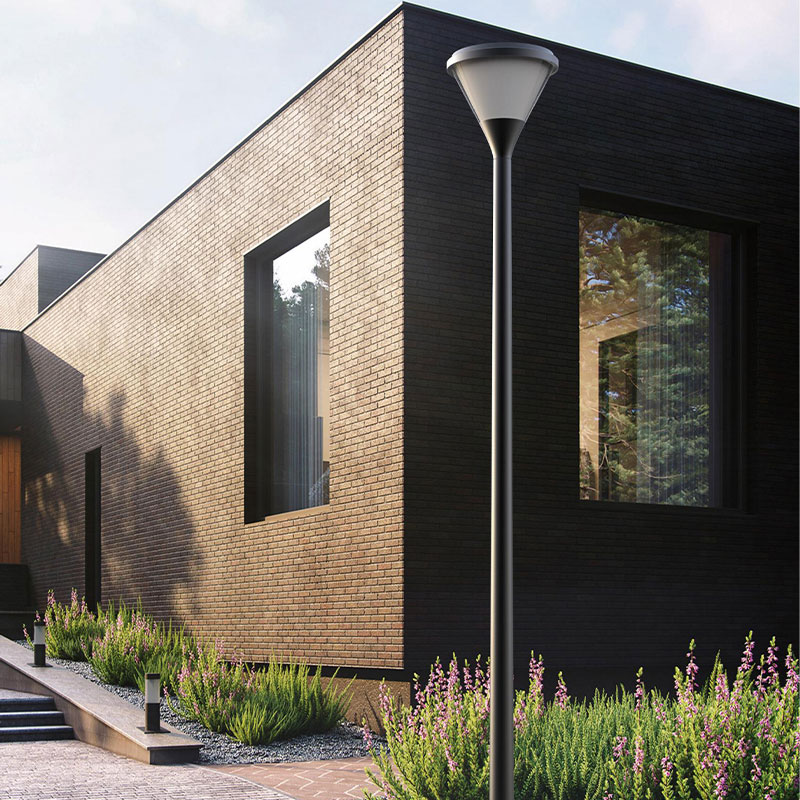
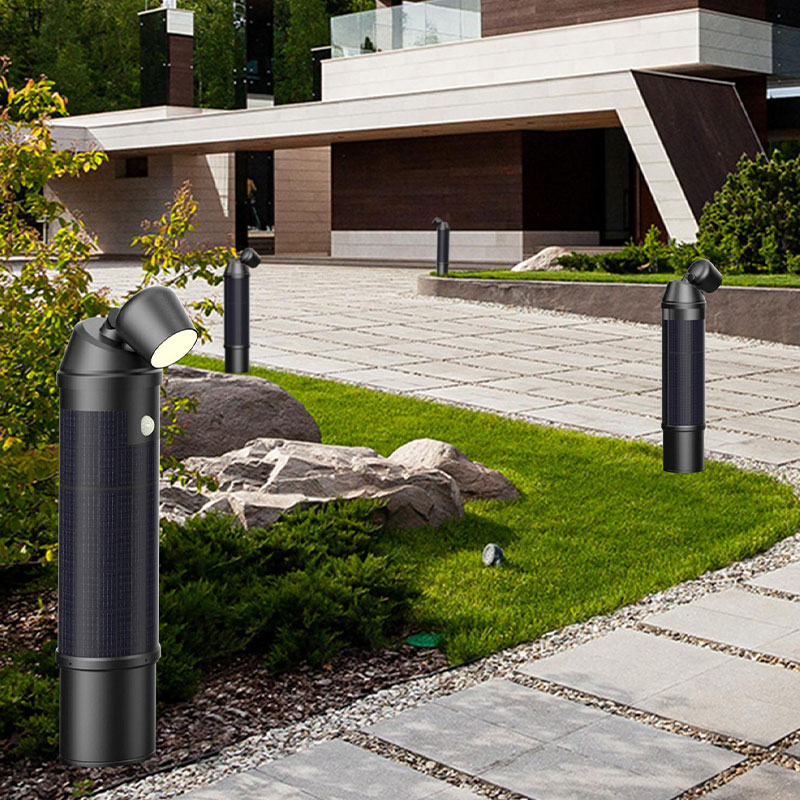
A solar light pole offers significant advantages over grid-connected lighting, including eliminating electricity costs, removing the need for trenching and underground cabling, reducing installation time, and providing reliable illumination even in remote areas without access to the power grid. Because the entire lighting system, panel, battery, LED fixture, and pole, operates independently of external power sources, it is particularly well suited for streets, parking lots, and public spaces where running electrical infrastructure would be costly or impractical. A well-engineered Solar Light Pole combines these benefits into a single self-contained unit designed for long term outdoor performance. The sections below explore each advantage in more detail, along with practical considerations for choosing the right solar pole system.
Content
- 1 Eliminating Ongoing Electricity Costs
- 2 Faster and Simpler Installation
- 3 Reliable Lighting for Off-Grid and Remote Locations
- 4 Reduced Risk of Widespread Power Outages
- 5 Lower Long Term Maintenance Requirements
- 6 Environmental Benefits of Solar Powered Lighting
- 7 Flexible Placement Without Infrastructure Constraints
- 8 Automatic Dusk to Dawn Operation
- 9 Choosing the Right Solar Light Pole for Your Project
Eliminating Ongoing Electricity Costs
Since a solar light pole generates its own power from sunlight rather than drawing from the electrical grid, it removes the recurring electricity expense associated with traditional street and area lighting. Municipal lighting projects that switch to solar systems commonly report substantial reductions in ongoing utility expenses, since the only continued cost is periodic maintenance rather than a monthly electricity bill tied to run hours.
Where the Savings Add Up
- No monthly utility charges for the energy consumed by the light fixture
- No cost for underground cable runs connecting the pole to a power source
- Reduced exposure to rising electricity rates over the system's operating life

Faster and Simpler Installation
Because solar light poles do not require a connection to the electrical grid, installation typically involves setting the foundation and mounting the pole and fixture, without the trenching, conduit installation, and electrical panel connections required for grid-powered lighting. This significantly reduces both installation time and the disruption to surrounding pavement, landscaping, or roadways during setup.
Installation Steps Comparison
| Installation Task | Solar Light Pole | Grid-Connected Pole |
| Foundation and pole mounting | Required | Required |
| Trenching for underground cable | Not needed | Required |
| Electrical panel connection | Not needed | Required |
| Typical installation time per pole | A few hours | A full day or more |
Reliable Lighting for Off-Grid and Remote Locations
Solar light poles are particularly valuable in rural roads, agricultural areas, park pathways, and other locations where extending grid infrastructure is either cost prohibitive or physically impractical. Since each pole operates as a self-contained system with its own panel and battery, lighting can be deployed in these locations without waiting for utility infrastructure upgrades.
Common Off-Grid Applications
- Rural road and highway lighting where grid access is limited
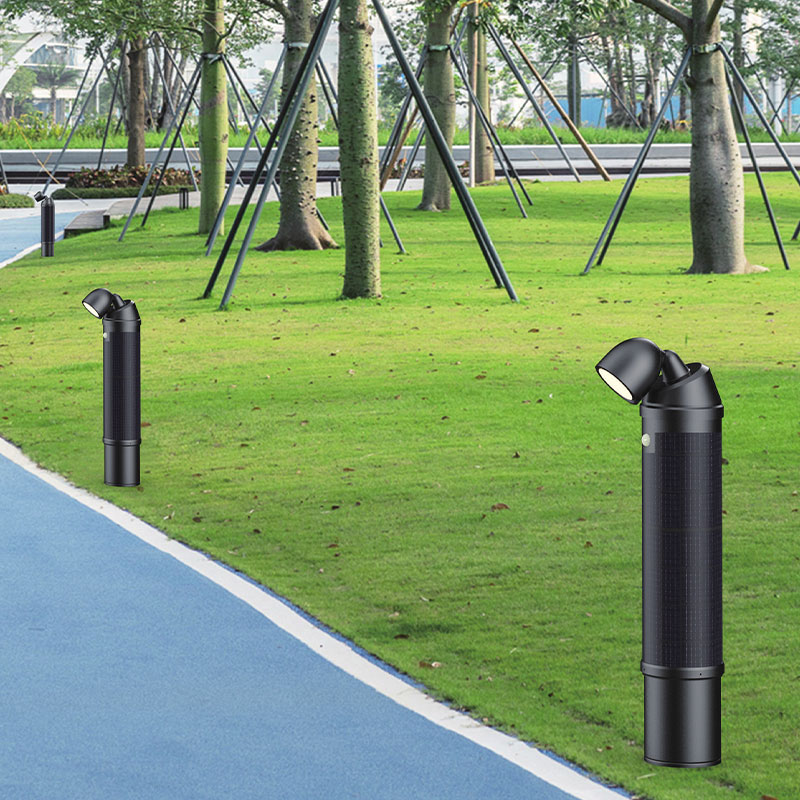
- Park pathways, trails, and recreational area lighting
- Agricultural facility perimeters and remote worksite lighting
- Temporary lighting for construction zones or event spaces
Reduced Risk of Widespread Power Outages
Because each solar light pole functions independently rather than relying on a shared electrical circuit, a fault or outage affecting the local power grid does not cause the entire lighting system to go dark simultaneously. This decentralized structure means that even during a grid failure, solar poles continue operating on stored battery power, which can be particularly valuable for safety lighting along roads and public walkways during storms or grid maintenance events.
Lower Long Term Maintenance Requirements
With no underground cabling to inspect or repair and fewer points of electrical failure overall, solar light poles generally require less ongoing maintenance than traditional grid-connected systems. Most maintenance needs center on periodic battery replacement, typically every 4 to 8 years depending on battery chemistry and usage cycles, and occasional cleaning of the solar panel surface to maintain charging efficiency.
Typical Maintenance Tasks
- Cleaning dust and debris from the solar panel surface periodically
- Inspecting battery performance and replacing when capacity noticeably declines
- Checking LED fixture connections and weatherproof seals during routine inspections
Environmental Benefits of Solar Powered Lighting
Solar light poles reduce reliance on grid electricity that may be generated from fossil fuel sources, contributing to lower overall carbon emissions associated with public and commercial lighting infrastructure. Municipalities and organizations pursuing sustainability goals often incorporate solar lighting into broader efforts to reduce their environmental footprint, since each pole operates entirely on renewable energy captured through its integrated panel.
Flexible Placement Without Infrastructure Constraints
Because solar light poles are not tied to fixed electrical connection points, they offer greater flexibility in placement compared with grid-powered alternatives, which are often constrained by the location of existing electrical infrastructure. This makes it easier to position lighting exactly where it is needed for safety or visibility, rather than compromising placement based on where a power connection happens to be available.
Placement Advantages
- Poles can be positioned based on lighting need rather than proximity to existing power lines
- Relocation is simpler if a project layout changes, since no cable disconnection is required
- New poles can be added to an existing layout without extending electrical infrastructure
Automatic Dusk to Dawn Operation
Most solar light poles include a built-in light sensor that automatically turns the fixture on at dusk and off at dawn, removing the need for manual switching or a separate timer system. Many systems also include motion sensing options that dim the light during periods of inactivity and brighten when movement is detected, further extending battery life across the night without requiring any operator intervention.
Choosing the Right Solar Light Pole for Your Project
Selecting the right pole involves matching panel size, battery capacity, and LED output to the specific lighting requirements of the installation site, since a pole undersized for its location may struggle to maintain full brightness through longer winter nights. A well-designed Solar Light Pole built with an appropriately sized panel and battery for the target climate and application gives project planners a dependable lighting solution that performs consistently across seasonal changes in daylight availability.