English
 Español
 Français
 عربى
عربى italiano
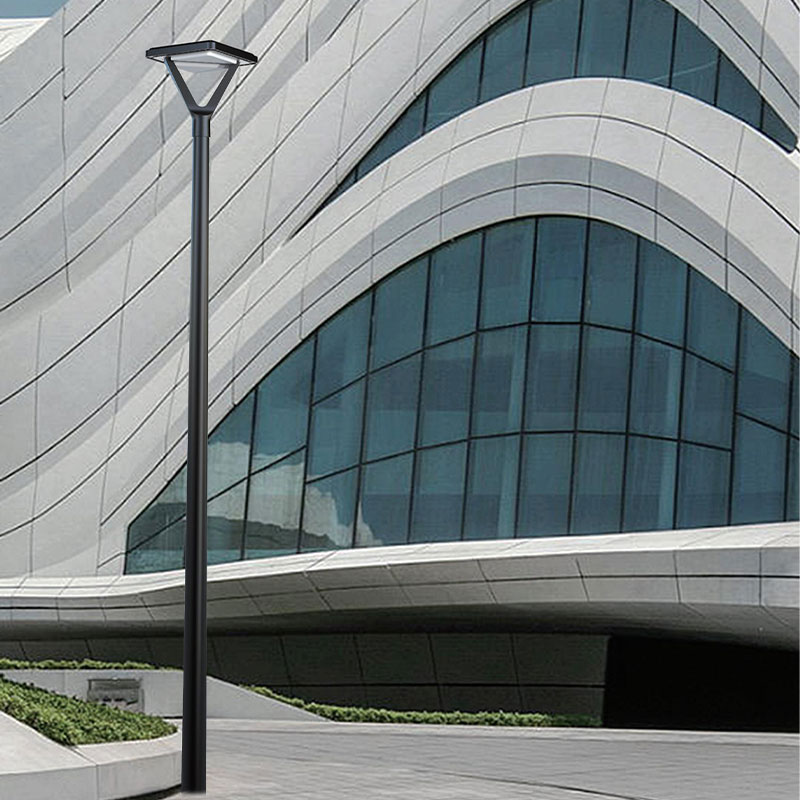
A solar light pole works by using a solar panel to convert sunlight into electricity during the day, storing that energy in a rechargeable battery, then automatically powering an LED fixture at night using a built-in light sensor and control system. This entire process happens without any connection to the electrical grid, since the pole, panel, battery, and control components form a self-contained lighting system. A well-engineered Solar Light Pole integrates these components to work reliably across daily and seasonal changes in sunlight availability. The sections below break down each stage of the process in detail, from energy capture through nighttime illumination.
Content
- 1 Solar Panel Energy Capture
- 2 Battery Storage System
- 3 Charge Controller Regulation
- 4 Automatic Light Sensor Activation
- 5 LED Fixture Operation
- 6 Motion Sensor Integration for Extended Runtime
- 7 Weatherproofing and Component Protection
- 8 Backup Runtime During Extended Low Sunlight Periods
- 9 Putting the System Together
Solar Panel Energy Capture
The process begins with the solar panel, typically mounted at the top of the pole or on an adjustable bracket, which converts sunlight into direct current electricity through the photovoltaic effect. Most solar light poles use either monocrystalline or polycrystalline silicon panels, with monocrystalline generally offering higher efficiency in converting available sunlight into usable electrical energy, according to general solar panel performance data widely referenced across the solar industry.
Factors That Affect Panel Charging
- Panel angle relative to the sun's position throughout the day
- Geographic location and average daily sunlight hours
- Seasonal variation in daylight duration and sun intensity
- Shading from nearby trees, buildings, or other obstructions
Battery Storage System
Electricity generated by the panel during the day is routed to a rechargeable battery housed within or near the base of the pole, storing the energy for use once the sun goes down. Most modern solar light poles use lithium iron phosphate batteries, which are commonly chosen for outdoor lighting applications due to their stability across a wide temperature range and longer cycle life compared with older battery chemistries.
Why Battery Chemistry Matters
Lithium iron phosphate batteries typically offer 2000 or more charge cycles before capacity noticeably declines, a figure commonly cited in battery manufacturer specifications for outdoor solar applications, which translates to several years of reliable nightly charge and discharge cycles before replacement becomes necessary. This durability is especially important for poles installed in remote locations where frequent maintenance visits are impractical.
Charge Controller Regulation
Between the solar panel and the battery sits a charge controller, a critical component that regulates the flow of electricity to prevent overcharging or excessive discharge, both of which can significantly shorten battery lifespan. The charge controller continuously monitors battery voltage and adjusts the charging rate accordingly, cutting off panel input once the battery reaches full charge and preventing the battery from draining below a safe minimum level during extended cloudy periods.
Charge Controller Functions
- Preventing overcharging once the battery reaches capacity
- Protecting the battery from deep discharge during low sunlight periods
- Regulating voltage to match the requirements of the connected LED fixture
Automatic Light Sensor Activation
A photocell, or light sensor, built into the fixture continuously monitors ambient light levels and automatically triggers the LED to turn on as daylight fades and turn off again at sunrise. This dusk to dawn functionality removes the need for manual switching, timers, or external control systems, allowing the pole to operate independently once installed.
How the Sensor Improves Efficiency
Because the sensor responds to actual ambient light conditions rather than a fixed clock schedule, the light adjusts naturally to seasonal changes in sunset and sunrise times without requiring reprogramming. This ensures the fixture only draws battery power during the hours it is actually needed, which helps extend the usable runtime of each nightly charge cycle.
LED Fixture Operation
Once activated, the LED fixture converts stored battery energy into visible light, with most modern solar poles using high efficiency LED chips that draw significantly less power per lumen produced compared with older lighting technologies such as halogen or high pressure sodium fixtures. This efficiency is a major reason solar poles can run through a full night on a battery charged from just one day of sunlight, even during shorter winter daylight hours.
LED Output Comparison by Pole Type
| Application | Typical LED Wattage | Approximate Lumen Output |
| Pathway or small courtyard pole | 10 to 20 watts | 1000 to 2500 lumens |
| Parking lot or residential street pole | 30 to 60 watts | 3000 to 7000 lumens |
| Main road or highway pole | 80 to 150 watts | 8000 to 18000 lumens |
Motion Sensor Integration for Extended Runtime
Many solar light poles include an optional motion sensor that works alongside the light sensor to further conserve battery power during hours of low activity. Rather than running at full brightness continuously through the night, the fixture dims to a lower standby output when no movement is detected, then brightens automatically when a vehicle or pedestrian approaches, before returning to the lower setting after a set period of inactivity.
Benefits of Motion-Based Dimming
- Extends total runtime on a single charge, especially useful during shorter winter days
- Provides full brightness exactly when needed for safety and visibility
- Reduces unnecessary energy draw during quiet overnight hours
Weatherproofing and Component Protection
Since solar light poles operate outdoors year-round, the electrical components, battery, and control circuitry are housed in weatherproof enclosures rated to resist rain, dust, and temperature extremes. Many systems carry an IP65 or higher ingress protection rating, a standard defined under IEC 60529, which indicates the enclosure is protected against dust ingress and low pressure water jets, helping the internal components remain functional across varied climate conditions.
Backup Runtime During Extended Low Sunlight Periods
Well-designed solar light poles are engineered with enough battery capacity to provide several consecutive nights of operation even during stretches of cloudy or overcast weather when panel charging is reduced. Manufacturers typically specify a backup runtime, often 3 to 5 rainy days, as a standard performance metric, giving project planners a way to compare battery capacity across different pole models when selecting a system for a specific climate.
Putting the System Together
Each of these components, panel, charge controller, battery, light sensor, and LED fixture, works together as a coordinated system rather than as independent parts, with the charge controller acting as the central hub managing energy flow throughout the daily charge and discharge cycle. A properly matched Solar Light Pole configuration, sized appropriately for the installation location's sunlight availability and lighting requirements, ensures all of these components work in balance to deliver consistent nightly illumination throughout the year.