English
 Español
 Français
 عربى
عربى italiano
A well-built solar light pole typically lasts 20 to 25 years for the pole and LED fixture, while the battery, the component most likely to need replacement, generally needs to be swapped out every 4 to 8 years depending on battery chemistry and usage conditions. Since each component of the system ages at a different rate, the pole and fixture usually outlast the battery by a significant margin, meaning a properly maintained solar light pole can remain in service for decades through periodic battery replacement rather than needing full system replacement. A durable Solar Light Pole built with corrosion-resistant materials and quality electronic components is designed specifically to reach the higher end of this lifespan range. The sections below break down the expected lifespan of each individual component and the factors that influence how long the system lasts overall.
Content
- 1 Pole Structure Lifespan
- 2 LED Fixture Lifespan
- 3 Battery Lifespan and Replacement Cycle
- 4 Solar Panel Lifespan
- 5 Environmental Factors That Affect Overall Lifespan
- 6 How Maintenance Extends System Lifespan
- 7 Component Lifespan Summary
- 8 Warranty Coverage as a Lifespan Indicator
- 9 Choosing a System Built for Long Term Durability
Pole Structure Lifespan
The physical pole itself, typically constructed from galvanized steel or aluminum, is the most durable component of the entire system and is generally rated for 20 to 25 years or more of outdoor service, according to typical structural specifications published by outdoor lighting pole manufacturers. Galvanized steel poles resist corrosion through a zinc coating that protects the underlying metal from rust, while aluminum poles offer natural corrosion resistance without requiring an additional protective coating.
Factors Affecting Pole Longevity
- Quality and thickness of the galvanized zinc coating on steel poles
- Exposure to coastal salt air, which accelerates corrosion on unprotected metal
- Foundation quality and drainage around the base to prevent water pooling
- Wind load ratings matched appropriately to the installation region
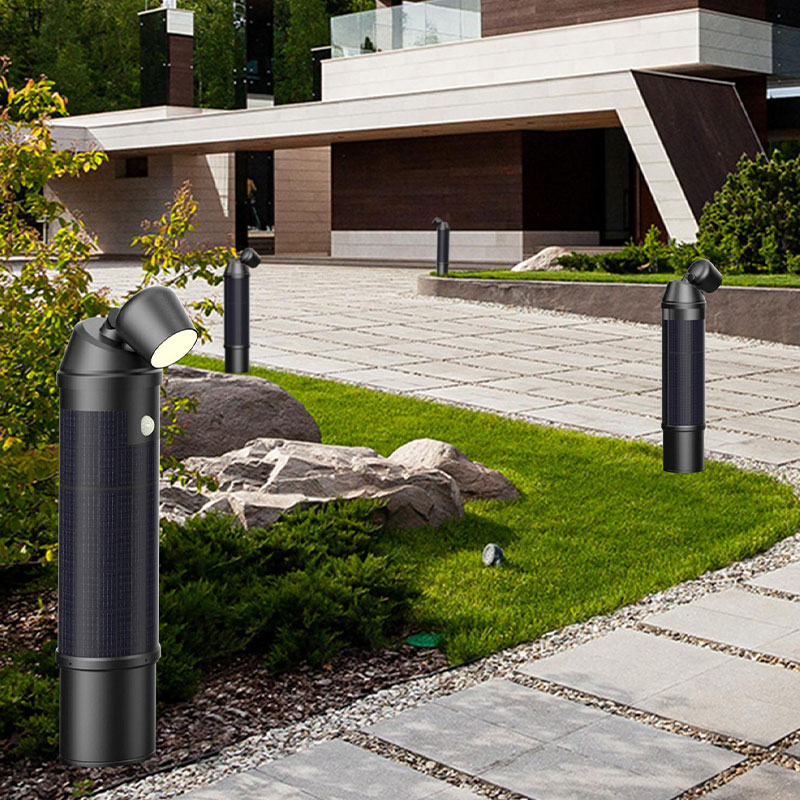
LED Fixture Lifespan
LED chips used in modern solar light poles are typically rated for 50,000 to 100,000 hours of operation, a standard commonly cited by LED component manufacturers, which translates to roughly 15 to 25 years of nightly use before brightness output degrades to a noticeable degree. This is significantly longer than older lighting technologies such as halogen or high pressure sodium fixtures, which typically required replacement every few years.
How LED Lifespan Is Measured
LED lifespan is usually expressed as the number of hours until brightness output drops to 70 percent of its original level, a metric referred to as L70 rating in lighting industry standards. This gradual dimming, rather than a sudden failure, means a well-made LED fixture continues providing usable light for years even as it slowly approaches the end of its rated lifespan.
Battery Lifespan and Replacement Cycle
The battery is the component most likely to need replacement well before the pole or LED fixture reaches the end of its service life, since batteries degrade through repeated charge and discharge cycles rather than simple age alone. Lithium iron phosphate batteries, commonly used in modern solar light poles, typically last 4 to 8 years and offer significantly more charge cycles than older lead-acid or nickel-based batteries.
Battery Type Comparison
| Battery Type | Typical Lifespan | Notes |
| Lithium Iron Phosphate | 4 to 8 years | Stable across wide temperature ranges, longer cycle life |
| Lead Acid | 2 to 4 years | Lower cost but shorter lifespan and heavier |
| Nickel Cadmium | 3 to 5 years | Less common in newer solar lighting systems |
Solar Panel Lifespan
Solar panels used in these systems are among the longest lasting components, with manufacturers commonly offering performance warranties covering 20 to 25 years, though gradual efficiency loss, often around 0.5 to 0.8 percent per year according to typical solar panel degradation data, means the panel continues functioning but at slightly reduced output as it ages. This slow decline rarely causes a noticeable performance issue within the panel's rated lifespan, since the system is generally designed with enough buffer capacity to accommodate this gradual efficiency loss.
Environmental Factors That Affect Overall Lifespan
Climate and installation environment play a significant role in how long each component of a solar light pole actually lasts in practice, sometimes causing real world lifespan to fall short of laboratory-rated figures if conditions are particularly harsh.
Conditions That Shorten Component Life
- Extreme heat, which accelerates battery degradation and chemical breakdown
- Coastal salt air exposure, which speeds up corrosion on poorly protected metal components
- Frequent dust or sandstorms, which can reduce panel efficiency if not cleaned regularly
- Heavy storm activity, which increases mechanical stress on the pole structure over time
How Maintenance Extends System Lifespan
Regular, proactive maintenance can meaningfully extend the practical lifespan of every component in the system, particularly the battery and solar panel, which are more sensitive to neglect than the pole structure itself.
Maintenance Practices That Help
- Cleaning the solar panel surface periodically to maintain full charging efficiency
- Inspecting battery connections and housing for corrosion or moisture intrusion
- Checking pole base and foundation for signs of settling or water pooling
- Testing battery voltage periodically as the unit approaches its expected replacement age
Component Lifespan Summary
Reviewing the expected lifespan of each major component side by side helps clarify why battery replacement, rather than full system replacement, is the primary long term maintenance expense associated with owning a solar light pole.
Overall Lifespan Comparison
| Component | Typical Lifespan |
| Pole Structure | 20 to 25 years or more |
| Solar Panel | 20 to 25 years, with gradual efficiency loss |
| LED Fixture | 15 to 25 years |
| Battery | 4 to 8 years |
Warranty Coverage as a Lifespan Indicator
Manufacturer warranty periods often reflect the expected reliable lifespan of each major component, since warranty terms are typically based on internal testing and field performance data. Reviewing the warranty coverage offered on the pole structure, solar panel, and battery separately gives buyers a useful baseline for comparing expected durability between different system options before making a purchase decision.
Choosing a System Built for Long Term Durability
Selecting a pole with quality galvanized or aluminum construction, a reputable LED chip supplier, and a lithium iron phosphate battery gives buyers the best combination of long structural life and reasonable battery replacement intervals. A well-constructed Solar Light Pole designed with these durability factors in mind offers decades of reliable service, with periodic battery replacement being the main maintenance requirement over the system's full operational lifespan.