English
 Español
 Français
 عربى
عربى italiano
A solar light pole is a self-contained outdoor lighting system that integrates a structural pole, one or more photovoltaic (PV) solar panels, a rechargeable battery, a charge controller, and an LED light fixture into a single independent unit. It generates electricity from sunlight during the day, stores that energy in the battery, and automatically powers the LED lamp at night — all without any connection to the electrical grid. Solar light poles are used for street lighting, parking lot illumination, pathway lighting, park and garden lighting, security lighting, and rural electrification in locations where grid power is unavailable, unreliable, or prohibitively expensive to extend.
Content
- 1 Key Components of a Solar Light Pole
- 2 Types of Solar Light Poles by Design Configuration
- 3 How Solar Light Poles Operate Automatically
- 4 Advantages of Solar Light Poles Over Grid-Connected Street Lighting
- 5 Limitations and Design Considerations
- 6 Typical Applications and Where Solar Light Poles Are Used
Key Components of a Solar Light Pole
Every solar light pole, regardless of design style or application, consists of the same core functional components working together as a closed energy system.
The Pole Structure
The pole provides the physical support for all other components and determines the mounting height of the light. Solar light poles are typically manufactured from hot-dip galvanized steel, aluminum alloy, or high-strength fiberglass-reinforced composite materials. Standard pole heights range from 3 meters for garden path lighting up to 12 meters for major road and parking area illumination. The pole wall thickness and base plate dimensions are engineered to withstand local wind load requirements — poles in high-wind zones are commonly rated to withstand sustained winds of 45–55 m/s (160–200 km/h).
Solar Panel (Photovoltaic Module)
The solar panel converts sunlight into direct current (DC) electricity. Most solar light poles use monocrystalline silicon panels, which offer conversion efficiencies of 20–23%, making them the most space-efficient option for pole-mounted applications where panel area is constrained. Panel wattage typically ranges from 30W for small garden poles to 200W or more for high-output street lighting systems. The panel is mounted at a fixed or adjustable tilt angle to maximize solar exposure at the installation latitude, and on all-in-one designs, it is integrated directly into the top of the light head assembly.
Battery Storage
The battery stores energy collected during daylight hours for use at night and on overcast days. The most common battery technologies used in solar light poles are:
- Lithium iron phosphate (LiFePO₄) — the current industry standard for high-performance solar lighting. Offers 2,000–3,000+ charge cycles, a wide operating temperature range, and no thermal runaway risk. Batteries are typically housed inside the pole body or in the light head to protect them from temperature extremes.
- Ternary lithium (NMC) — higher energy density than LiFePO₄, used where compact battery size is prioritized, though with a shorter cycle life of approximately 800–1,500 cycles.
- Valve-regulated lead-acid (VRLA / AGM) — a lower-cost option with a cycle life of approximately 300–500 cycles, typically used in budget installations where replacement cost is acceptable.
Battery capacity is selected to provide the required backup autonomy — most quality solar light pole systems are designed for 3–5 consecutive days of operation without solar charging under overcast conditions.
Charge Controller
The charge controller manages the flow of electricity between the solar panel, battery, and LED light, preventing overcharging and deep discharge that would shorten battery life. Modern solar light poles use MPPT (Maximum Power Point Tracking) controllers, which extract up to 30% more energy from the solar panel compared to older PWM (Pulse Width Modulation) controllers by continuously optimizing the operating point of the panel under varying light and temperature conditions.
LED Light Fixture
LED (Light Emitting Diode) technology is universally used in solar light poles due to its high efficacy (100–180 lumens per watt), long operational life of 50,000–100,000 hours, and compatibility with DC power from the battery. The LED fixture's optical design — beam angle, color temperature, and light distribution pattern — is tailored to the application, with street lighting using asymmetric distributions to maximize road surface illumination and minimize light spillage.
Types of Solar Light Poles by Design Configuration
| Type | Description | Typical Pole Height | Best Application |
|---|---|---|---|
| All-in-one integrated | Panel, battery, LED, and controller in a single head unit | 3–8 m | Pathways, car parks, residential streets |
| Split-type (separate panel) | Panel mounted separately on pole arm; battery in pole body | 6–12 m | Main roads, highways, large car parks |
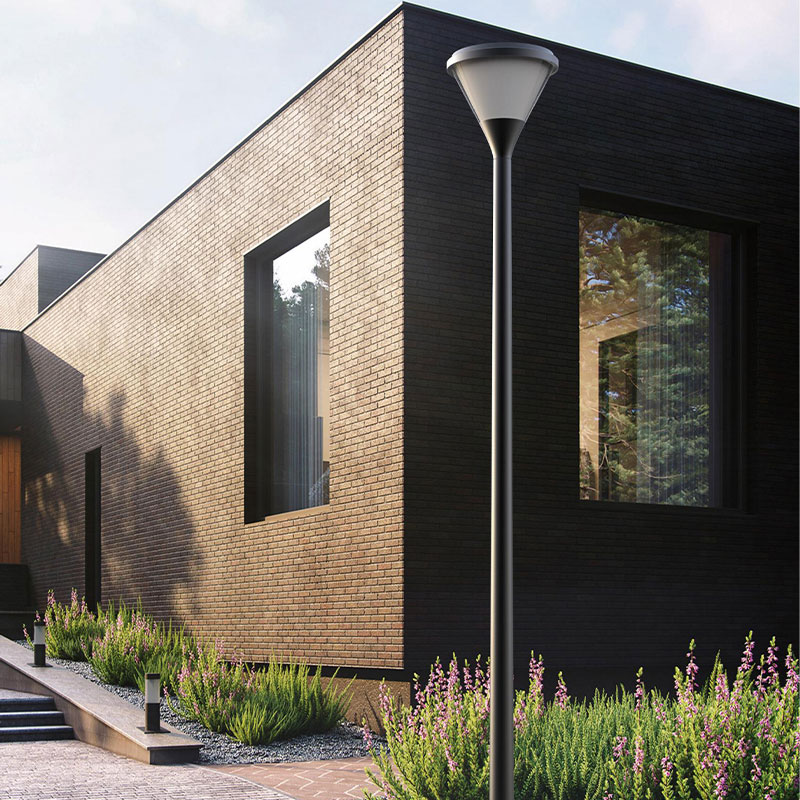
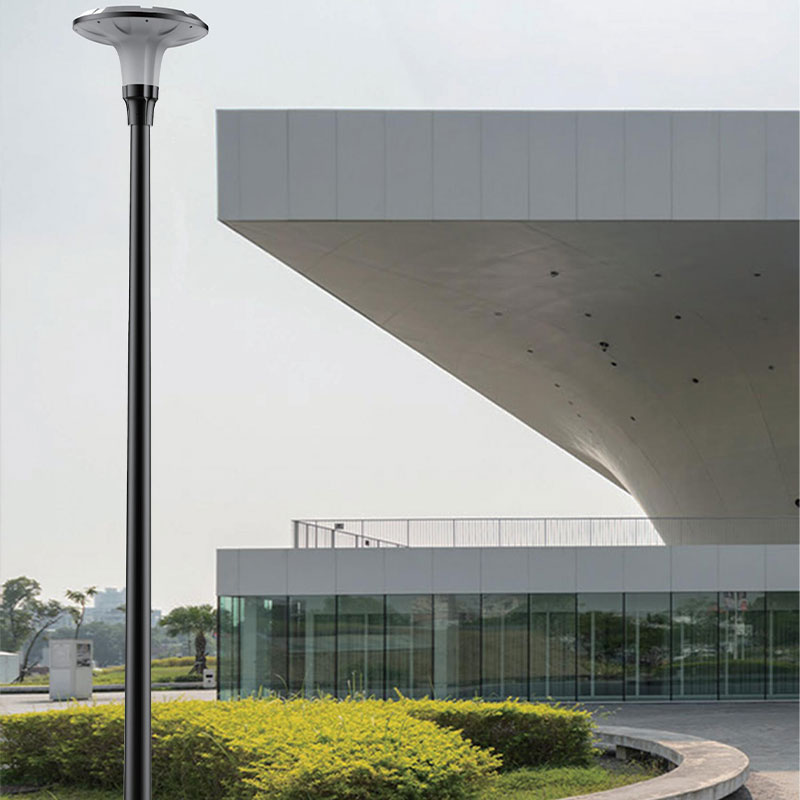
| Decorative solar pole | Ornamental pole design with concealed solar components | 3–6 m | Parks, plazas, heritage areas, gardens |
| Smart solar pole | Integrated IoT sensors, remote monitoring, and dimming control | 5–10 m | Smart city infrastructure, campuses |
| High-mast solar system | Multiple large panels and high-capacity battery bank | 12–20 m | Stadiums, ports, industrial sites, border crossings |
How Solar Light Poles Operate Automatically
A well-designed solar light pole requires no manual operation. The charge controller manages the full daily operating cycle automatically:
- Sunrise to sunset — charging phase: The solar panel generates DC electricity whenever irradiance exceeds the panel's minimum operating threshold (typically around 200 W/m²). The MPPT controller optimizes energy harvest and charges the battery while the LED remains off.
- Sunset detection — automatic switch-on: The controller detects the drop in panel voltage as light falls, interpreting this as sunset, and automatically switches the LED fixture on at the programmed output level.
- During the night — intelligent dimming: Many modern systems use motion sensors or time-based programming to dim the LED to 30–50% power during low-traffic hours (e.g., midnight to 5 AM) to extend battery autonomy without compromising safety during peak-demand periods.
- Sunrise detection — automatic switch-off: When panel voltage rises above the threshold at dawn, the controller switches the LED off and resumes charging the battery for the following night.
- Low battery protection: If battery charge falls below a minimum threshold (typically 20% state of charge), the controller reduces LED output or switches the light off entirely to protect the battery from deep discharge damage.
Advantages of Solar Light Poles Over Grid-Connected Street Lighting
- No electricity cost — solar light poles consume no grid electricity, eliminating utility bills for the operational lifetime of the system. A single 60W equivalent street light operating 12 hours per night consumes approximately 260 kWh per year; solar eliminates this cost entirely.
- No grid infrastructure required — installation does not require trenching for underground cables, transformer capacity, or connection to the distribution network. This makes solar light poles particularly cost-effective in rural areas, new developments, and remote sites where grid extension costs can reach USD 50,000–150,000 per kilometer.
- Resilience during power outages — solar light poles continue to operate normally during grid failures, providing critical safety lighting during storms, emergencies, or blackouts when grid-connected lights go dark.
- Lower total installation cost in many contexts — in locations more than 100–200 meters from an existing grid connection point, the all-in installation cost of a solar light pole is typically lower than the combined cost of grid extension and conventional pole installation.
- Reduced carbon footprint — solar light poles produce zero operational carbon emissions, contributing to municipal and national decarbonization targets in the public lighting sector.
Limitations and Design Considerations
Solar light poles are highly effective in appropriate conditions but have design constraints that must be evaluated before specifying them for a project.
- Solar resource dependency — performance is directly tied to the average daily solar irradiance at the installation site. Locations at high latitudes (above 55°N or below 55°S) or in regions with prolonged monsoon seasons may require oversized panels and batteries to maintain consistent operation through low-irradiance periods.
- Shading sensitivity — a solar panel partially shaded by trees, buildings, or overhead structures can lose 50–80% of its output even from partial shading. Site selection must ensure unobstructed solar access for at least 6 peak sun hours per day in summer.
- Battery replacement costs — lithium batteries in solar light poles typically require replacement after 5–8 years depending on technology and cycling depth, representing the main ongoing maintenance cost of the system.
- Higher upfront cost per unit — the capital cost of a quality solar light pole system is typically 1.5–2.5 times higher than an equivalent grid-connected light pole (excluding grid infrastructure costs), which can be a barrier in budget-constrained projects.
- Panel and battery theft or vandalism — in some regions, the visible and accessible nature of solar components makes them targets for theft. Anti-theft mounting hardware and tamper-resistant battery compartment locks are important security features for public installations.
Typical Applications and Where Solar Light Poles Are Used
Solar light poles are deployed across a wide range of public and private lighting applications globally. Their adoption has grown substantially as LED and lithium battery costs have fallen by more than 80% since 2010, making solar street lighting cost-competitive with grid-connected alternatives in a growing number of markets.
- Urban and suburban street lighting — residential streets, neighborhood roads, and urban pathway networks, particularly in new housing developments where grid infrastructure is not yet installed.
- Rural road and village lighting — providing safe lighting in off-grid communities across Africa, South Asia, and Southeast Asia, where solar street lighting has become the dominant technology for rural electrification projects.
- Parking lots and commercial facilities — surface car parks and commercial property perimeters where trenching for grid cables would be disruptive or expensive.
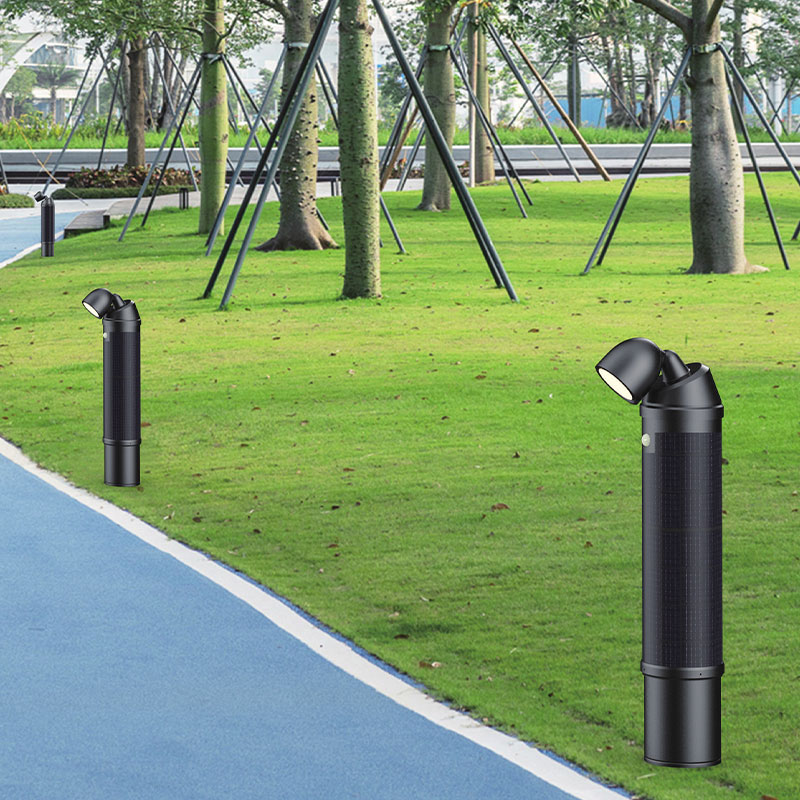
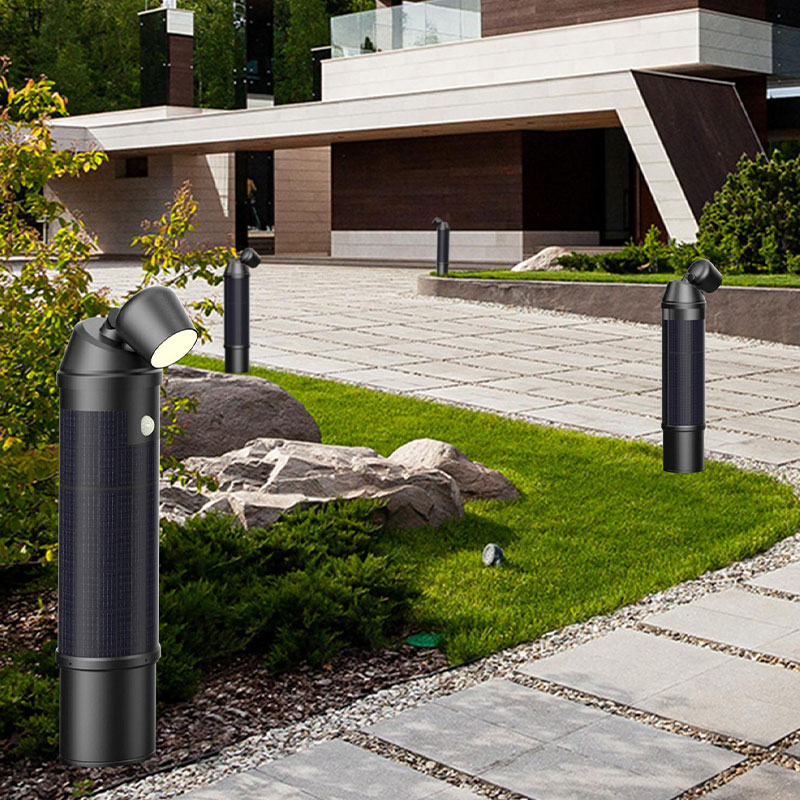
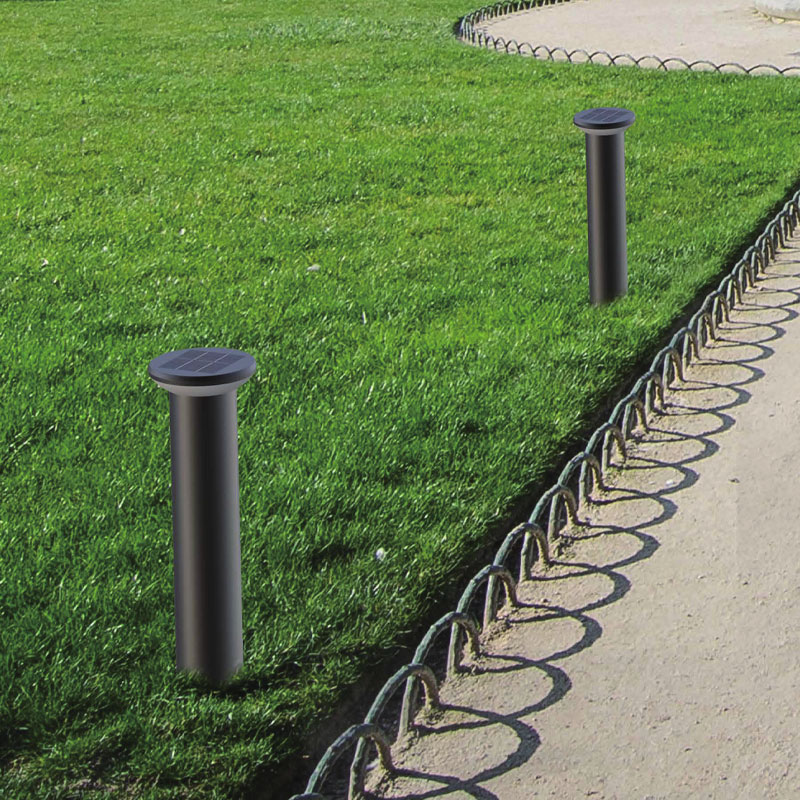
- Parks, recreational areas, and campuses — decorative solar poles provide ambient and safety lighting in green spaces without the need to excavate established landscapes for cable runs.
- Highway and expressway lighting — split-type high-output solar poles with large panels and batteries are increasingly used on highway sections in sun-rich regions, reducing the need for high-voltage transmission infrastructure along remote road corridors.
- Security and perimeter lighting — remote sites such as substations, water treatment plants, agricultural facilities, and border checkpoints benefit from solar lighting's grid independence and reliability during outages.