English
 Español
 Français
 عربى
عربى italiano
A city lighting engineer in Rotterdam receives three similar LED street lighting bids. The wattage is the same, the color temperature is the same, and the quoted lumen output is close. Yet the price per installed pole varies by 40 percent. The difference lies in optical distribution, thermal design, pole height, and arm geometry. An LED light for street lighting is only as good as the complete installation. The best place to start is not the brightest chip but the road class, the mounting height, and the pole that carries the light.
Content
What Makes an LED Street Light Effective
An LED street light is an integrated fixture that contains the light emitting diodes, a driver, and an optical system. Its true efficiency should be judged by the useful light that reaches the road, not by the raw chip output. A fixture can look bright but still produce poor uniformity, glare, and wasted upward light. For this reason, a lighting specification should compare luminaire efficacy, optical distribution, thermal management, color temperature, and driver reliability together.
Selection checks at a glance
| Check | Why it matters | Typical value |
|---|---|---|
| Luminaire efficacy | Lower energy use for the same road brightness | 130 lm/W or more |
| Optical distribution | Controls glare and directs light to the road | Type II, Type III, or Type IV |
| Color temperature | Affects visibility, comfort, and dark sky compliance | 3000 K to 4000 K |
| Driver reliability | Determines maintenance interval and dimming capability | Rated life of 50,000 hours or more |
The table shows why a fixture with high efficacy but poor optics can still fail on site. Uniformity is often more important than peak illuminance. A road with a low average to minimum illuminance ratio feels safer and more comfortable for drivers. Glare, flicker, and color rendering also matter once the fixture is installed on a real pole.
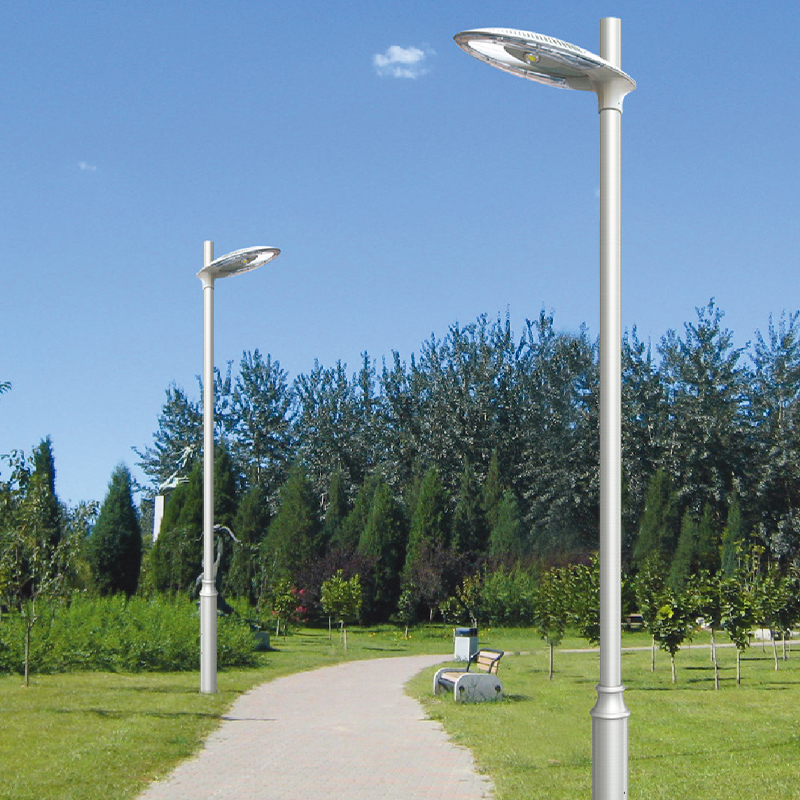
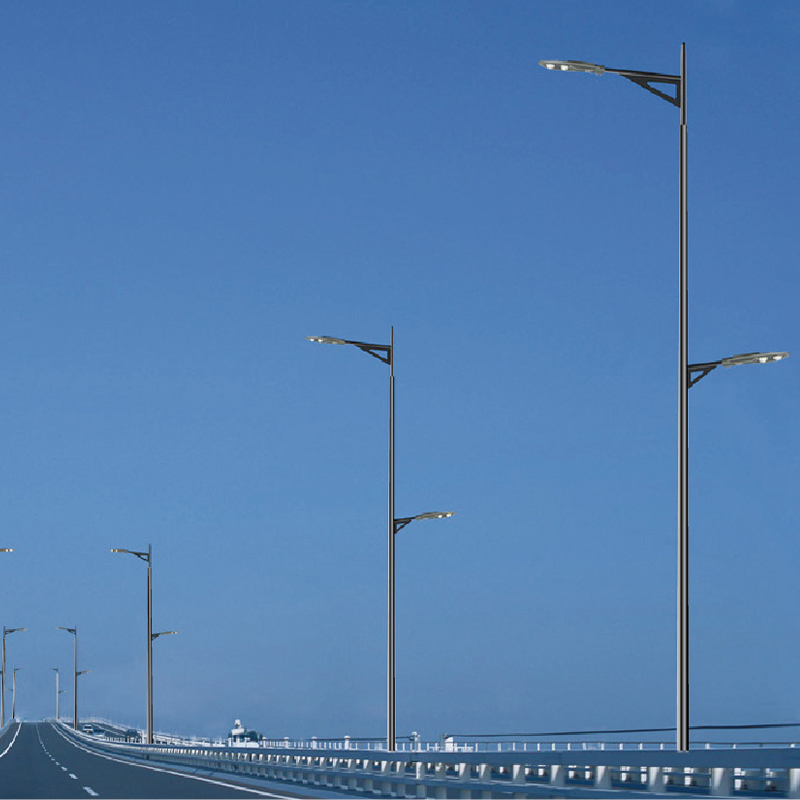
Once the optical distribution is chosen, the pole height and arm geometry decide how well that light lands on the pavement. A residential road with a compact mounting height needs a pole that does not dominate the sidewalk and an arm that reduces glare. For this reason, the Bermuda conical aluminium roadway pole is a practical first example: its tapered profile carries the luminaire without adding unnecessary weight to the foundation. The same logic applies to any LED retrofit. When the fixture changes, the pole must still provide the correct mounting height, soil clearance, and wind resistance.
 Custom BERMUDA Conical Aluminum Roadway Light Pole Supplier, Factory - Ningbo MoNingbo Morelux Pole Technology Limited is China BERMUDA Conical Aluminum Roadway Light Pole supplier and factory, professional custom BER...View Product →
LED Performance Data to Review
Numbers tell the story when they are measured under real operating conditions. The four charts below show the comparisons that should be part of every LED street lighting specification.
Luminaire efficacy by light source
Modern LED street lights typically deliver 130 to 150 lm/W from the complete luminaire. Older high pressure sodium systems often stop near 100 lm/W after optical losses. Induction and metal halide sources fall lower, especially after a few years of service. More important than the peak value is the maintained value after 50,000 hours. LEDs also allow light to be aimed downward, so the useful light on the pavement is high even when the raw lm/W value is modest.
Lumen maintenance over operating hours
Lumen maintenance shows what happens to the road after years of operation. A good LED fixture retains around 95 percent of initial output at 25,000 hours and remains above 80 percent at 100,000 hours. Poor thermal design can accelerate the drop because heat degrades the LED modules. This is why the luminaire housing and the pole mounting area must allow clean airflow around the fixture. Always request a manufacturer projection or a TM-21 report before comparing systems.
Typical LED wattage by road class
Fixture wattage is not the same as luminaire efficacy. A residential cul-de-sac may need only a 45 W LED, while a wide arterial road may need 180 to 240 W. This is why a specification should first identify the road class and the required average luminance. Then the optical distribution and mounting height can be selected from the photometric design. Using the correct wattage avoids overlighting, reduces glare, and keeps the electrical load under control.
System characteristics: LED versus conventional
The radar chart compares overall system characteristics, not a single product. LED street lights score higher in efficiency, lifetime, controllability, and optical accuracy. Conventional sources still offer a compact form and a low first cost, but they lose ground on controls and lumen maintenance. The shape of the LED polygon shows where a project gains the most from an LED retrofit. When dark sky compliance and adaptive control are required, the LED polygon becomes almost the only practical choice.
Solar and Smart Street Lighting Options
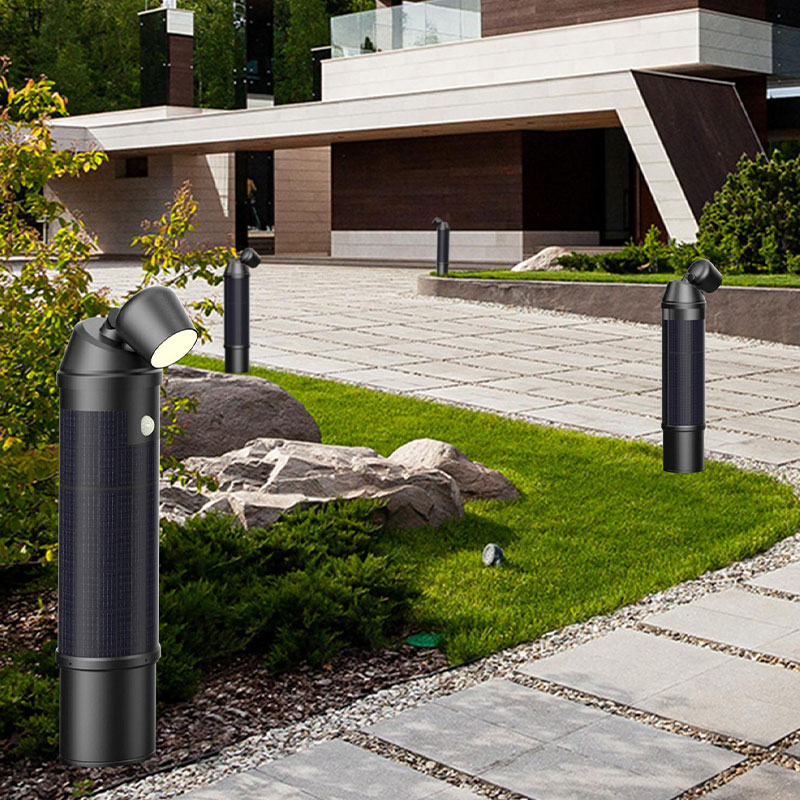
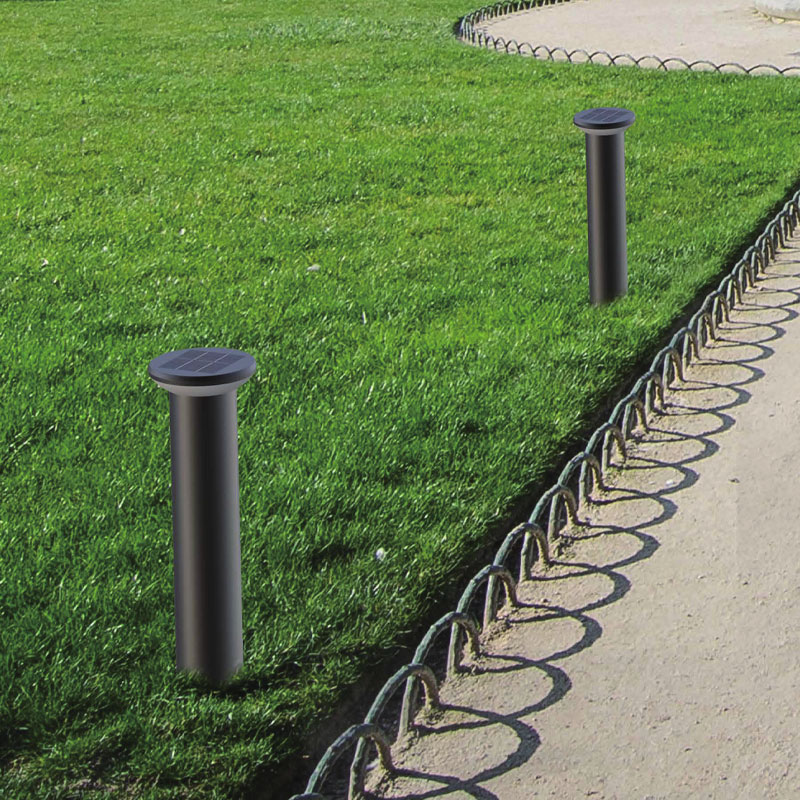
Not every LED street light project runs on grid power. For parks, remote roads, and median strips, a solar solution removes the cost of trenching and cable installation. A good solar pole combines photovoltaic panels, battery storage, a controller, and an LED luminaire in one structure. The Alba flexible HJT solar light pole is one example because its flexible modules keep the visual profile simple and reduce wind load compared with a separate solar frame. This type of design works well where the road authority wants a self-contained unit with a shorter installation time.
 Custom ALBA Flexible HJT Solar Light Pole Supplier, Factory - Ningbo Morelux PolNingbo Morelux Pole Technology Limited is China ALBA Flexible HJT Solar Light Pole supplier and factory, professional custom ALBA Flexibl...View Product →
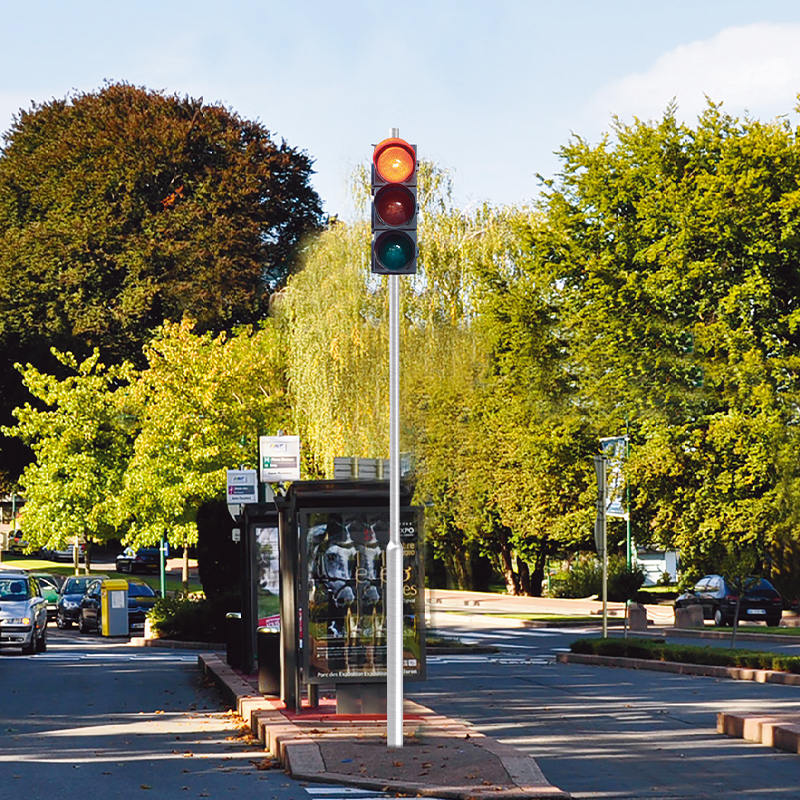
Smart controls add another layer of value to LED street lighting. An LED luminaire with a dimming driver becomes far more useful when it is connected to motion sensors, ambient light sensors, or a central management system. The pole itself must be ready for these additions. The aluminum alloy multifunctional smart street light pole is designed for this kind of future-ready installation. Even if the control system is added later, a pole with internal cable ducts and access doors lowers the cost of upgrading. Plan the conduit and mounting interfaces now so the LED system can evolve without replacing the pole.
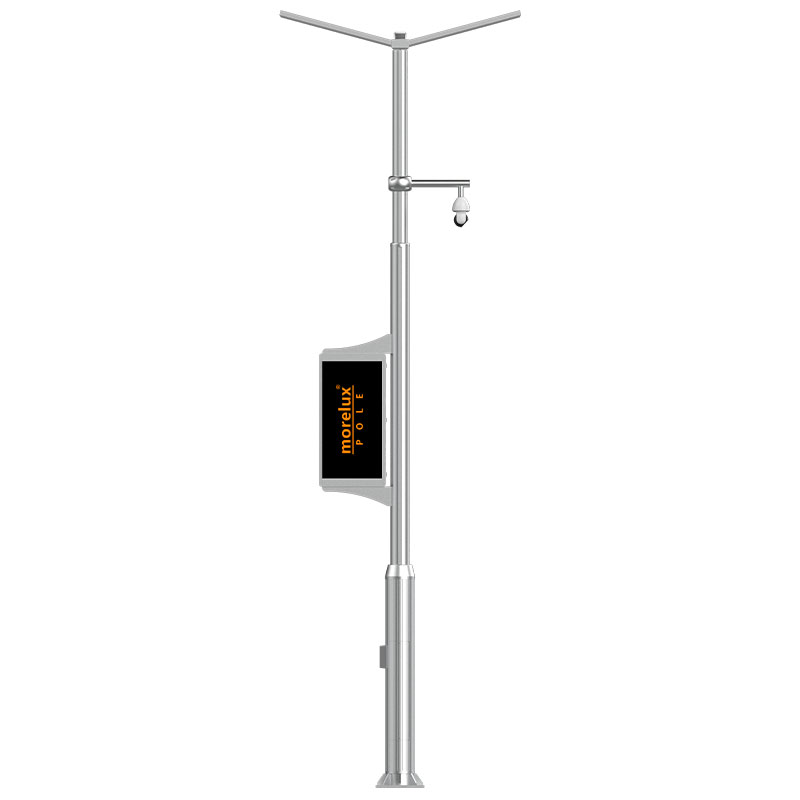 Custom Aluminum Alloy Multifunctional Smart Street light Pole Supplier, Factory Ningbo Morelux Pole Technology Limited is China Aluminum Alloy Multifunctional Smart Street light Pole supplier and factory, professional...View Product →
Health, Glare and Community Acceptance
LED advantages are real, but street lighting is not only about energy efficiency. High blue light content near residential windows can affect sleep and visual comfort. Using a warmer color temperature such as 3000 K reduces that risk while still providing crisp road visibility. Glare from badly aimed LEDs can be more distracting than the dark pools they are meant to fill. Full-cutoff optics keep the light below the horizontal plane and direct it onto the road. A responsible LED lighting plan must balance efficiency with the needs of drivers, pedestrians, and residents.
Build Quality and Procurement Decisions
LED fixtures are typically replaced every 10 to 15 years, but light poles are expected to last much longer. That is why the pole specification matters even more in an LED project. Morelux has manufactured light poles since 1998 and exports to more than 30 countries. The company produces both aluminum and steel poles, with internal processes including cutting, bending, spinning, welding, polishing, powder coating, anodizing, and inspection. This manufacturing base gives buyers a single source for the pole and the mechanical interface that holds the luminaire. Aluminum poles are more than 90 percent recyclable, which helps projects meet the green purchasing criteria of many municipalities.
When replacing old lights, never assume that the existing pole works with the new LED luminaire. Mounting height and arm projection influence the photometric result. Two poles with the same height but different arm lengths can produce different road brightness and different glare. Before finalizing a procurement, ask a set of basic questions:
- What is the total wind load on the pole with the LED luminaire and arm?
- Does the pole top match the luminaire tenon or adapter?
- Is the cable duct large enough for the new LED driver, sensors, and control wiring?
- What surface treatment will survive the local coastal, industrial, or highway environment?
For high-mast or floodlight locations, a steel pole may offer a lower installed cost for the same structural requirement. For urban and residential streets, a conical aluminum pole often provides a cleaner visual line and lower maintenance over time. Either way, the luminaire and pole should be reviewed as one assembly, not as two separate purchases.
Plan the Pole and the LED Together
The fastest way to reduce energy and maintenance is to treat LED lights for street lighting as a system, not as a single component. The optical performance of the luminaire determines how much light reaches the road. The pole and arm determine where that light lands and whether the installation remains stable for decades. Once these choices are aligned, you can size the solar or smart control elements with confidence.
Before releasing the tender, ask for load calculations and photometric files for the exact pole and luminaire combination. If you are not sure which mounting height or arm configuration suits the road, contact the Morelux team with a simple site sketch and target lighting class. The right LED light for street lighting should satisfy the road, the community, and the maintenance budget for as long as the fixture is in service.