English
 Español
 Français
 عربى
عربى italiano
Steel light poles are used across roadway lighting, parking facilities, ports and industrial yards, sports and stadium venues, and urban plazas, wherever high structural strength, heavy fixture loads, or demanding wind and traffic conditions require a more robust pole material than aluminum or composite alternatives can reliably provide. Their combination of high load capacity, wind resistance, and long-term durability makes steel the preferred choice in settings where lighting failure or structural instability would create significant safety or operational risk. Infrastructure planning guidelines commonly used across municipal and commercial projects favor steel poles specifically for applications requiring heights above 8 to 10 meters or heavier multi-fixture arrangements, since these conditions place greater structural demands than shorter, lighter-duty installations.
Content
- 1 Roadway and Highway Lighting
- 2 Parking Lots and Commercial Facilities
- 3 Ports, Industrial Yards, and Logistics Facilities
- 4 Sports Facilities and Stadium Lighting
- 5 Urban Plazas and Pedestrian Areas
- 6 Bridges and Overpass Lighting
- 7 Airports and Transportation Hubs
- 8 Who Should Prioritize Steel Poles for Their Project
Roadway and Highway Lighting
Roadway lighting represents one of the most common applications for steel light poles, since these installations must withstand constant wind exposure, vehicle-generated air turbulence, and the structural demands of mounting large, heavy fixture assemblies at significant heights.
Why Steel Suits Roadway Applications
- High wind load resistance handles sustained exposure along open highway corridors
- Structural strength supports taller mounting heights needed for wide roadway coverage
- Breakaway base compatibility improves safety in the event of vehicle collision
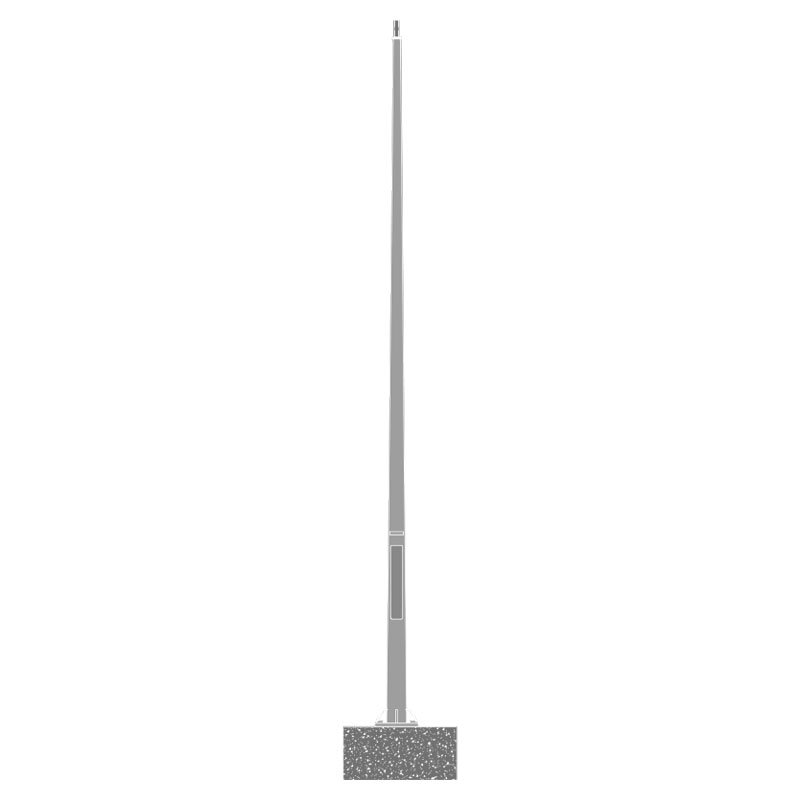
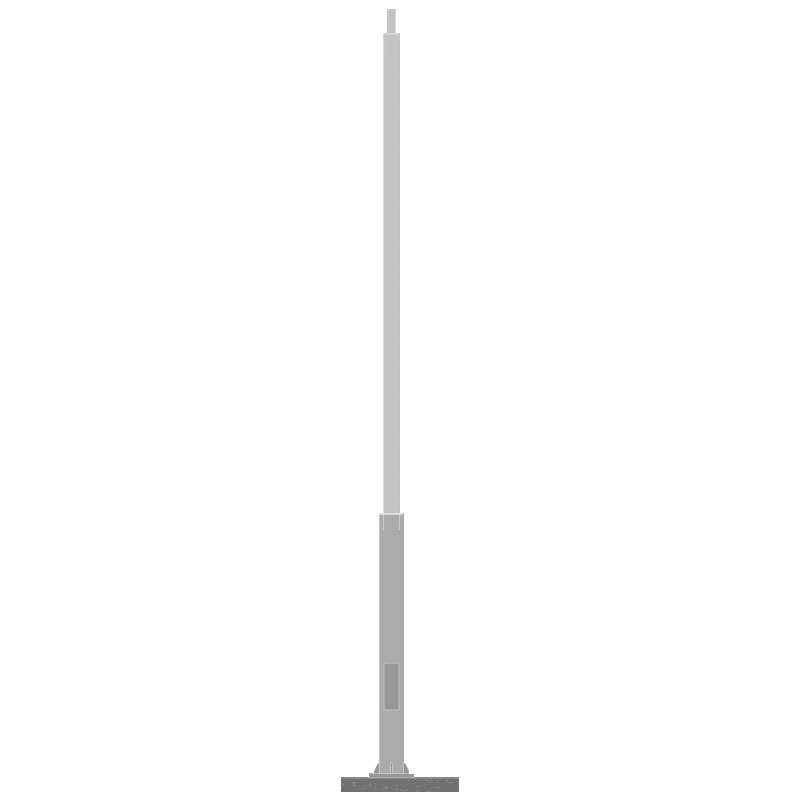
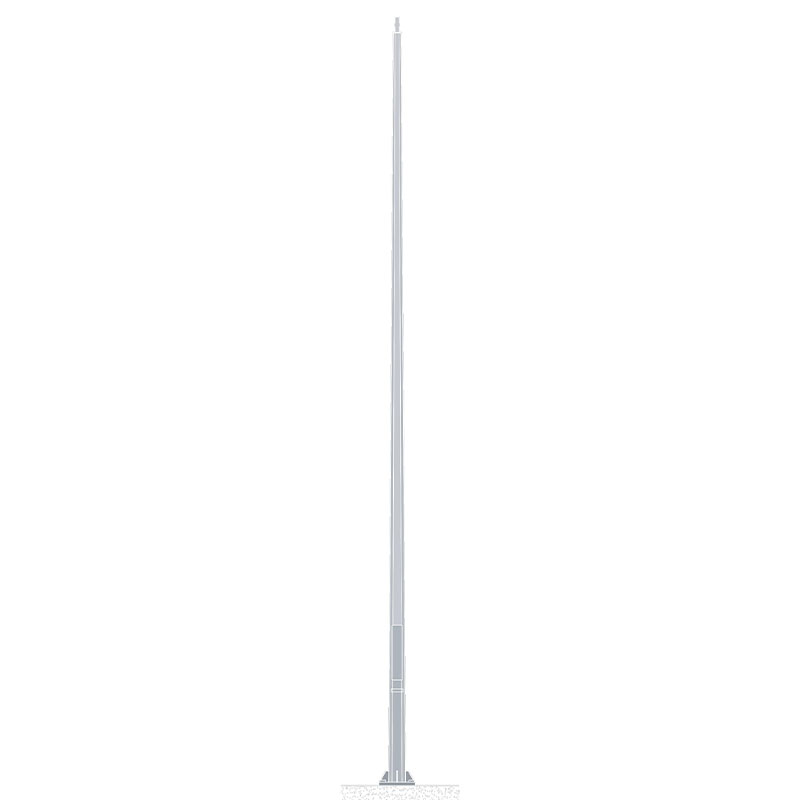
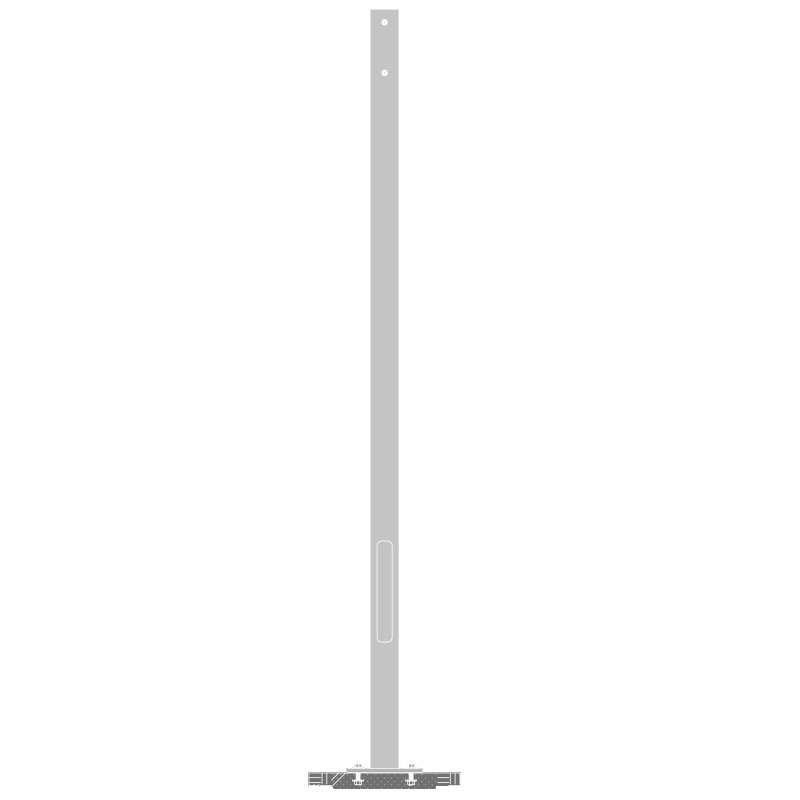
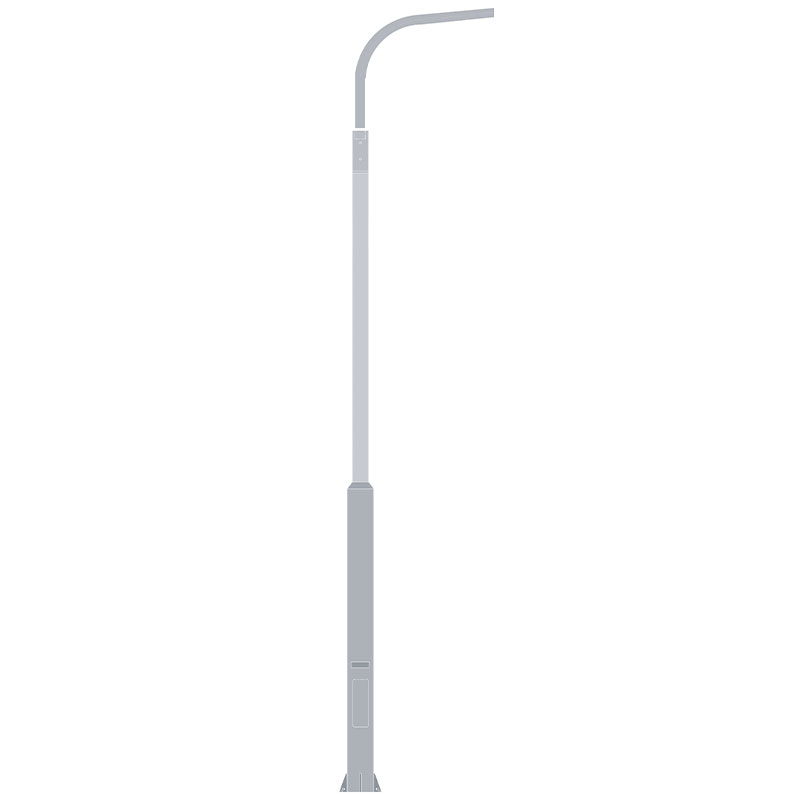
A properly specified Steel Light Pole installed along a highway corridor is typically engineered with a breakaway base system, allowing the pole to detach safely upon vehicle impact rather than remaining rigidly fixed, which reduces injury risk during a collision.
Parking Lots and Commercial Facilities
Commercial parking areas require consistent, wide-area illumination across large open spaces, making steel poles a practical choice for supporting the taller mounting heights and multi-fixture arrangements common in these settings.
Parking Facility Requirements
| Facility Type | Typical Pole Height | Common Fixture Configuration |
| Retail parking lot | 6 to 9 meters | Single or dual fixture |
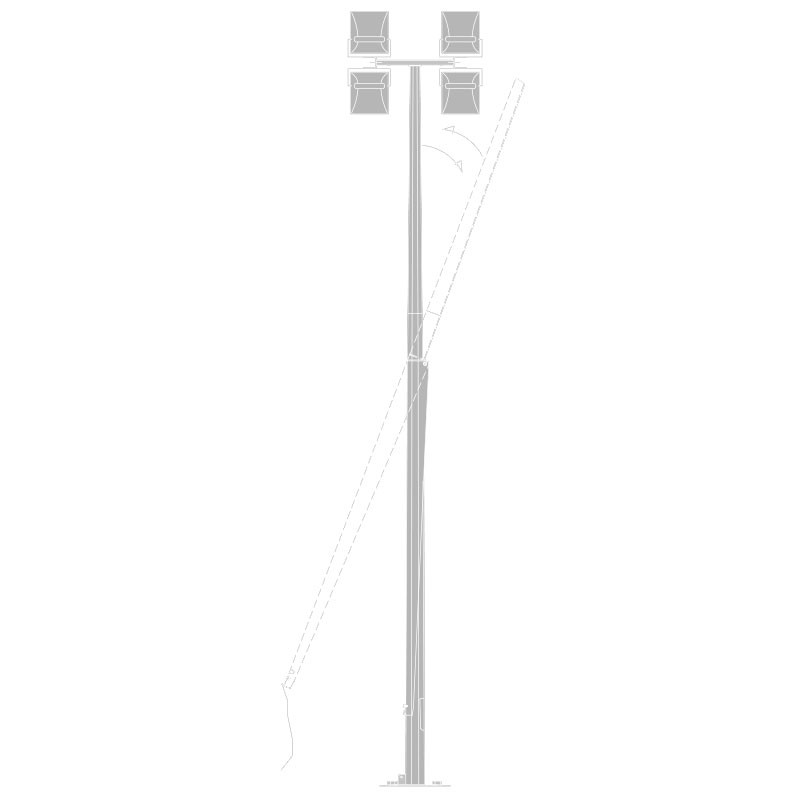
| Large commercial or industrial lot | 9 to 12 meters | Multi-arm, four-fixture configuration |
Larger commercial facilities often require multi-arm pole configurations to cover expansive parking areas efficiently, and steel's structural capacity supports these heavier fixture loads without compromising pole stability over decades of outdoor use.
Ports, Industrial Yards, and Logistics Facilities
Ports and industrial yards present some of the most demanding lighting environments, requiring poles capable of withstanding saltwater exposure, heavy equipment vibration, and the need for extremely tall mounting heights to illuminate large operational areas.
Industrial Environment Challenges
These settings often require pole heights exceeding 20 meters to provide adequate coverage across container yards or industrial storage areas, a structural demand that steel poles are specifically engineered to meet through calculated wall thickness and foundation design.
Corrosion Considerations in Coastal Industrial Sites
Port facilities located in coastal regions benefit from enhanced galvanization and coating treatments on steel poles, since saltwater exposure accelerates corrosion far more aggressively than typical inland industrial environments.
Sports Facilities and Stadium Lighting
Stadiums and sports venues require exceptionally tall lighting poles capable of supporting large, heavy floodlight arrays positioned at extreme heights to provide even field illumination without creating glare for players or spectators.
Structural Demands of Stadium Lighting
- Pole heights often range from 25 to 45 meters depending on venue size and lighting standards required
- Multiple floodlight fixtures mounted in a single array significantly increase top-of-pole load requirements
- Foundation engineering must account for both wind load and the concentrated weight of the fixture cluster
Steel's high strength-to-weight ratio makes it particularly well suited to these extreme height requirements, since achieving equivalent structural performance with lighter materials would require impractically large pole diameters.
Urban Plazas and Pedestrian Areas
Beyond purely functional applications, steel light poles are also widely used in urban plazas, pedestrian walkways, and public gathering spaces, where both structural performance and aesthetic design considerations come into play.
Balancing Function and Design
Steel's formability during manufacturing allows for decorative pole designs, including tapered profiles and architectural detailing, without sacrificing the structural integrity needed to support pedestrian-area lighting fixtures over decades of public use.
Multi-Purpose Pole Applications
Urban plazas increasingly use steel poles that combine lighting with additional infrastructure, such as banner mounting brackets, security camera housings, or public Wi-Fi equipment, taking advantage of steel's load capacity to support these combined functions on a single structure.
Bridges and Overpass Lighting
Bridge and overpass lighting presents unique structural challenges, since poles in these settings must often be mounted on the bridge structure itself or in confined right-of-way areas, requiring precise engineering coordination.
Specialized Mounting Requirements
Steel poles used in bridge lighting applications are frequently engineered with custom base plate designs to integrate with existing bridge railing or deck structures, while still meeting the wind load and vibration resistance standards required for elevated roadway installations.
Airports and Transportation Hubs
Airport perimeter and taxiway lighting represents another demanding application where steel light poles are commonly specified, given the strict height and stability requirements involved in aviation infrastructure lighting.
Aviation Lighting Considerations
These installations often require poles engineered to specific height restrictions coordinated with air traffic safety regulations, along with enhanced structural stability to prevent any risk of pole failure near active runway or taxiway areas.
Across all of these demanding applications, a properly engineered Steel Light Pole provides the structural reliability needed to meet strict safety and performance standards, regardless of whether the setting involves heavy vehicle traffic, extreme heights, or challenging environmental exposure.
Who Should Prioritize Steel Poles for Their Project
Municipal infrastructure planners, port authorities, stadium developers, and commercial property managers working on projects with tall mounting heights, heavy fixture loads, or demanding environmental conditions should prioritize steel light poles over lighter alternatives. Projects in high-wind regions, coastal areas, or applications requiring multi-fixture arrays particularly benefit from steel's structural performance, since these conditions place greater demands than standard residential or low-traffic pedestrian lighting installations typically require.