English
 Español
 Français
 عربى
 italiano
How tall are light poles? For most commercial and public projects, the answer falls between 10 and 50 ft (3 and 15 m). Residential streets usually use 10 to 15 ft poles, urban and commercial roads use 20 to 30 ft, and highways often move to 30 to 50 ft. High mast lighting goes above 50 ft. The useful answer is not a single number. It is the height that puts the right amount of light on the ground without creating glare, wind load, or maintenance problems.
A 12 ft garden pole and a 40 ft highway pole may both be called light poles, but they carry different luminaires, foundations, and wind requirements. Buyers who compare only overall length often miss the mounting method, wall thickness, base diameter, and anchor bolt pattern that make a pole suitable for a site. For North American layouts, a 10 ft to 40 ft aluminum conical range often covers residential, parking, and commercial work.
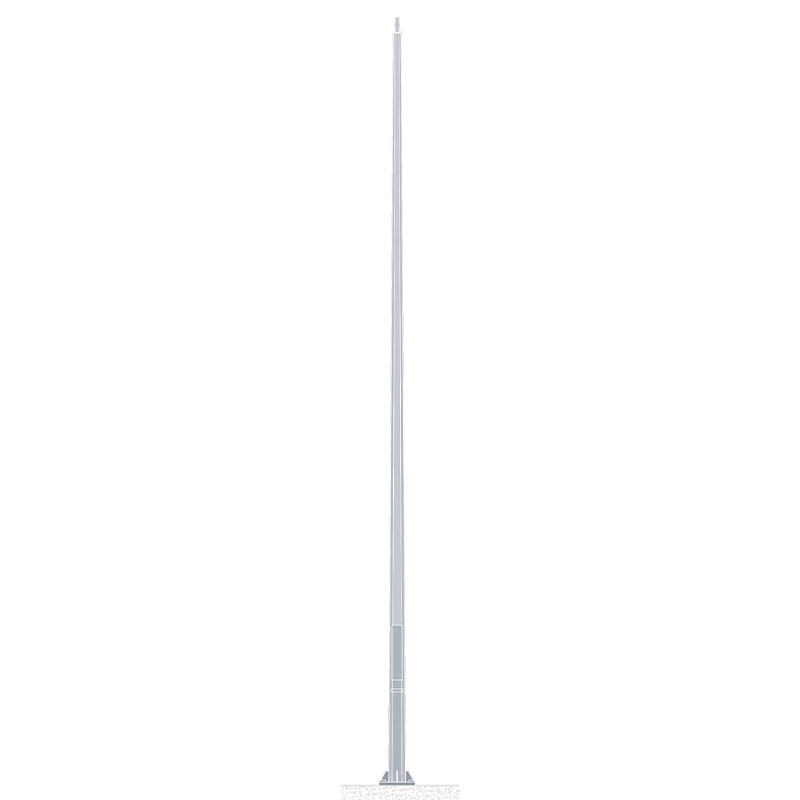
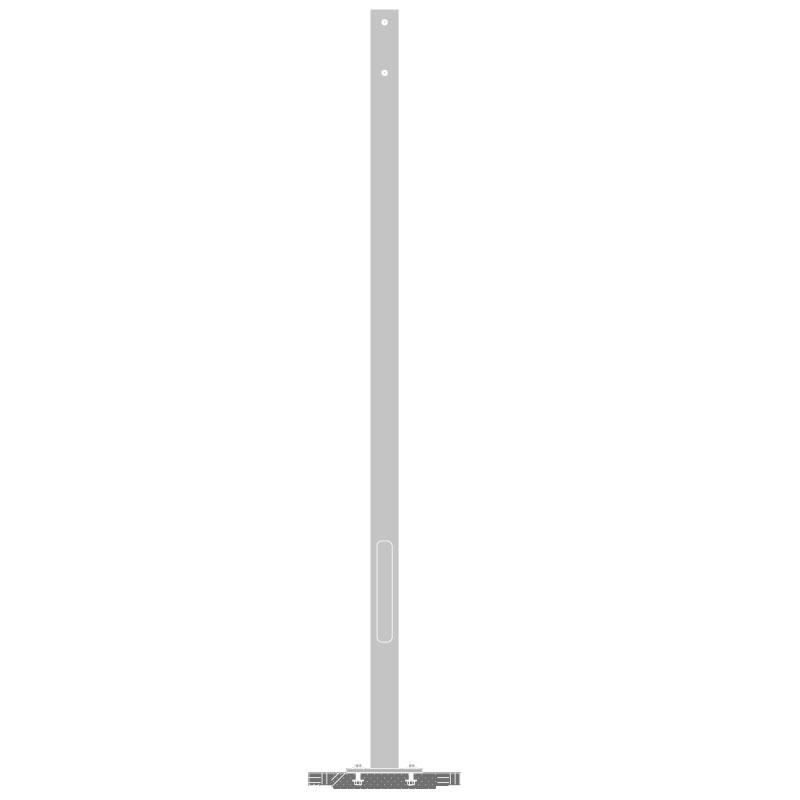
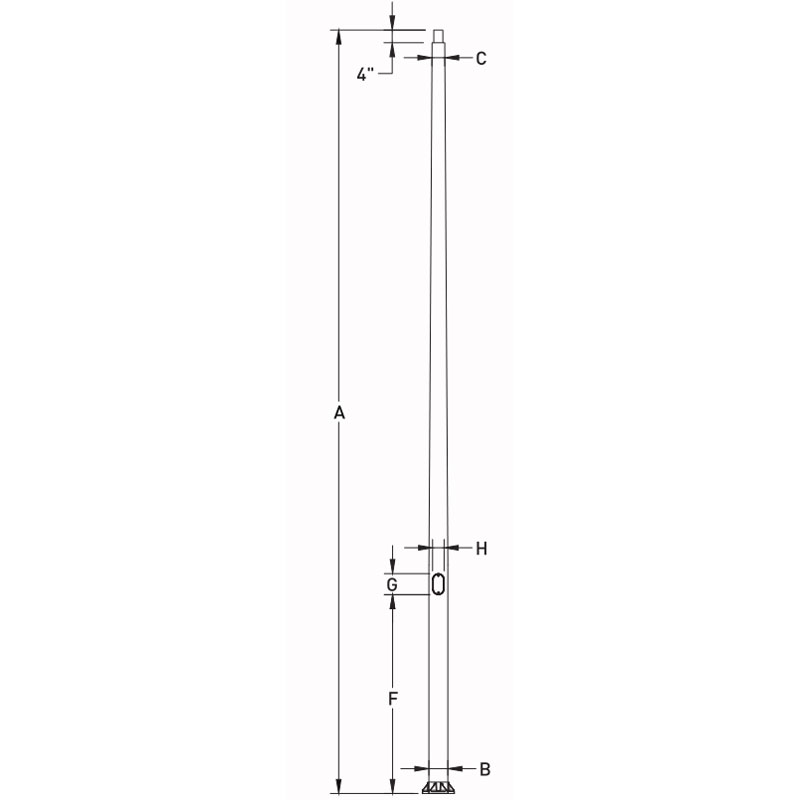 10–40 ft Aluminum Conical Light PoleBrowse this base-flange-mounted aluminum conical pole range for residential, parking, and commercial layouts, then confirm height and structural details for the site.View Product →
Content
Typical Light Pole Heights by Application
The ranges below are common starting points, not universal mandates. A local authority, lighting designer, or wind study can move a project outside them. Match the pole to the task first, then verify the structural and photometric design.
| Application | Common mounting height | Typical reason |
|---|---|---|
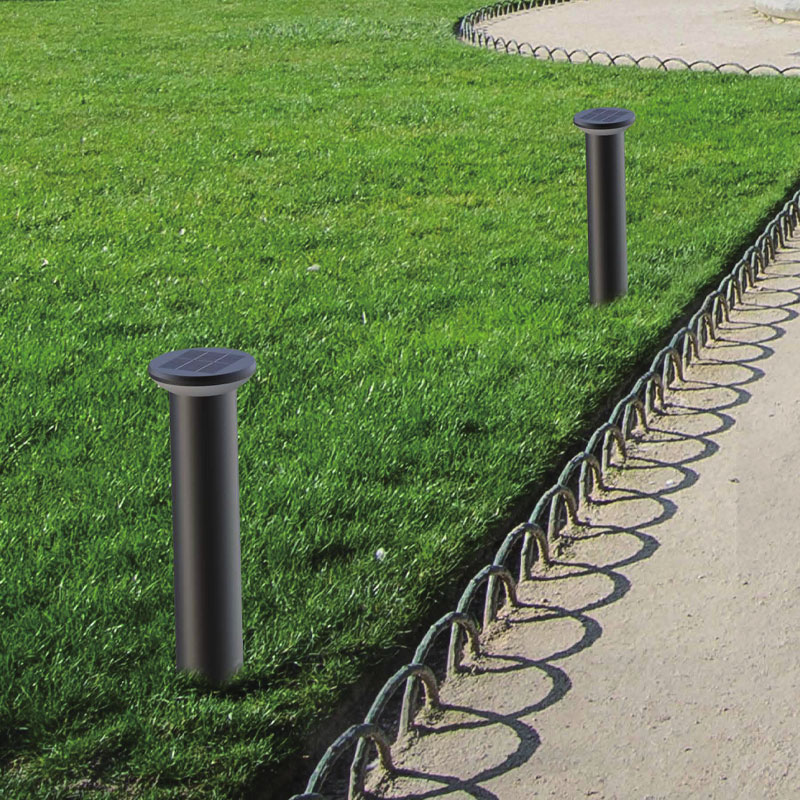
| Garden and pathway | 6 to 12 ft (1.8 to 3.7 m) | Pedestrian scale, low glare, decorative appearance |
| Residential street | 10 to 15 ft (3 to 4.5 m) | Lower speeds, short spacing, limited light spill |
| Park and parking area | 12 to 25 ft (3.7 to 7.6 m) | Balanced coverage, security, and visual comfort |
| Urban and commercial road | 20 to 30 ft (6 to 9 m) | Wider carriageways, longer spacing, higher output |
| Highway and interchange | 30 to 50 ft (9 to 15 m) | Long viewing distance, uniformity, and clearance |
| High mast and large area | 50 ft and above (15 m and above) | Ports, large junctions, stadiums, and logistics yards |
Why Height Changes Lighting Performance
Height is a tool for distributing light. A taller pole can spread light farther and reduce the number of poles, but it also lowers the illuminance directly below the fixture unless output increases. It can raise glare and skyglow if the optic is not controlled. A lower pole improves pedestrian scale and reduces light trespass, but it may need closer spacing.
The spacing to mounting height ratio is a useful early check. If pole spacing is far greater than mounting height, uniformity usually suffers. If poles are too close, cost rises and the design may overlight. Designers use photometric files to test both. Wind load is the structural side of the same decision. A 30 ft pole has a longer lever arm than a 15 ft pole, so base diameter, wall thickness, anchor bolts, and foundation depth must increase. A large double arm assembly can govern the design more than pole height alone.
How to Match Height to the Site
- Road class and speed. Low speed residential lanes tolerate 10 to 15 ft poles. Higher speeds and wider carriageways usually call for 20 to 30 ft or more.
- Fixture type and light distribution. A narrow optic on a tall pole may leave dark gaps. A wide optic on a short pole may create glare at nearby windows.
- Wind, soil, and foundation. Confirm design wind speed, exposure, and mounting method. Direct burial and base flange poles need different foundation details.
- Codes and permits. Check height limits, clearances, breakaway requirements, and lighting ordinances before ordering.
Material and Structure Choices That Affect Height
Aluminum and steel both work, but the choice changes weight, finish, and maintenance. Aluminum is naturally corrosion resistant and fully recyclable. Steel offers high strength and stiffness, often at a lower material cost. For tall highway or high mast poles, steel is common because the section can be engineered for high bending moments. For garden, landscape, and many coastal projects, aluminum is often selected for finish and lower maintenance.
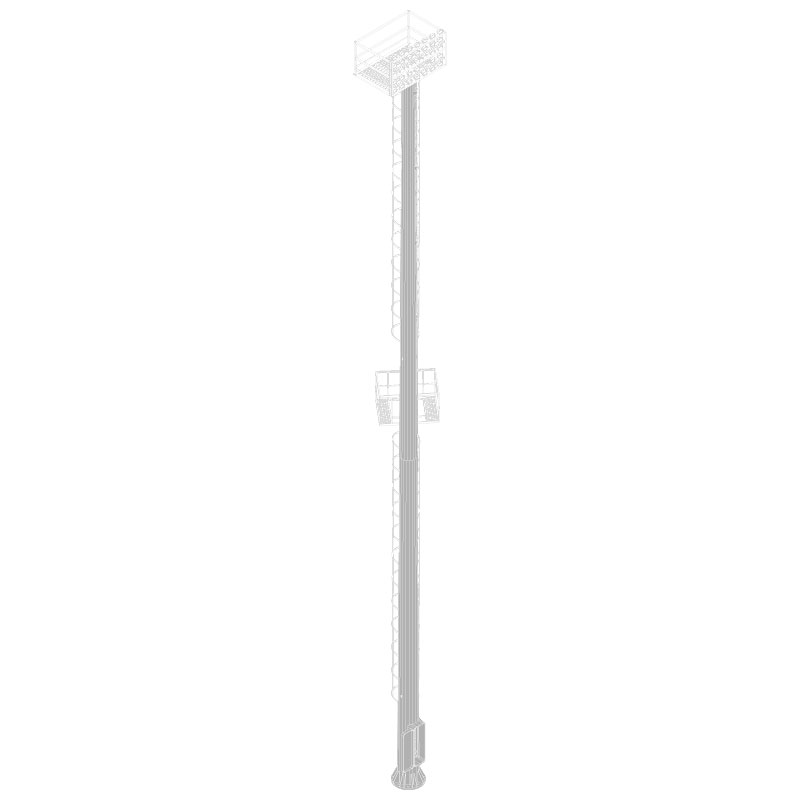
Height is always a structural input. A 50 ft high mast pole must be designed with the luminaire ring, wind load, and service access in mind. It is not simply a longer version of a 20 ft street pole. A purpose built steel high mast is one option for large area lighting.
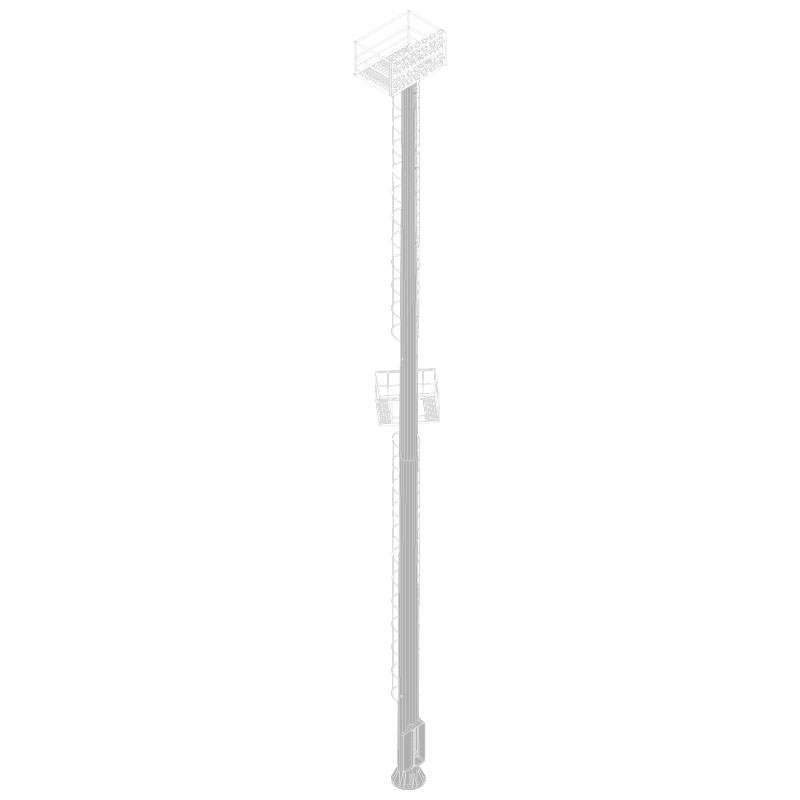 Steel High Mast Pole for Large AreasThis purpose-built steel high mast suits ports, airports, car parks, and sports grounds, with 16–50 m heights for large-area uniform lighting.View Product →
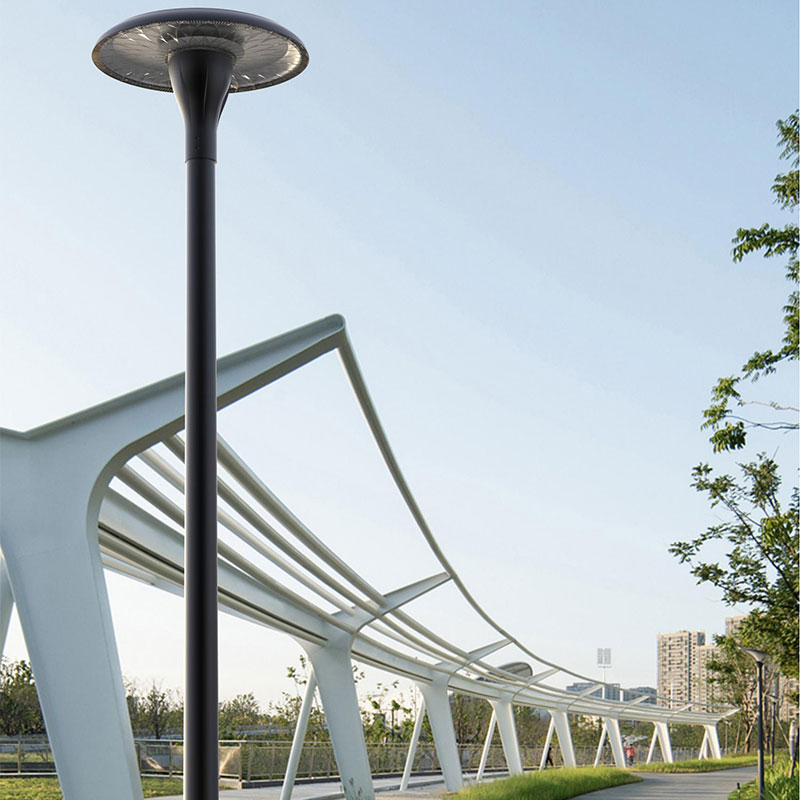
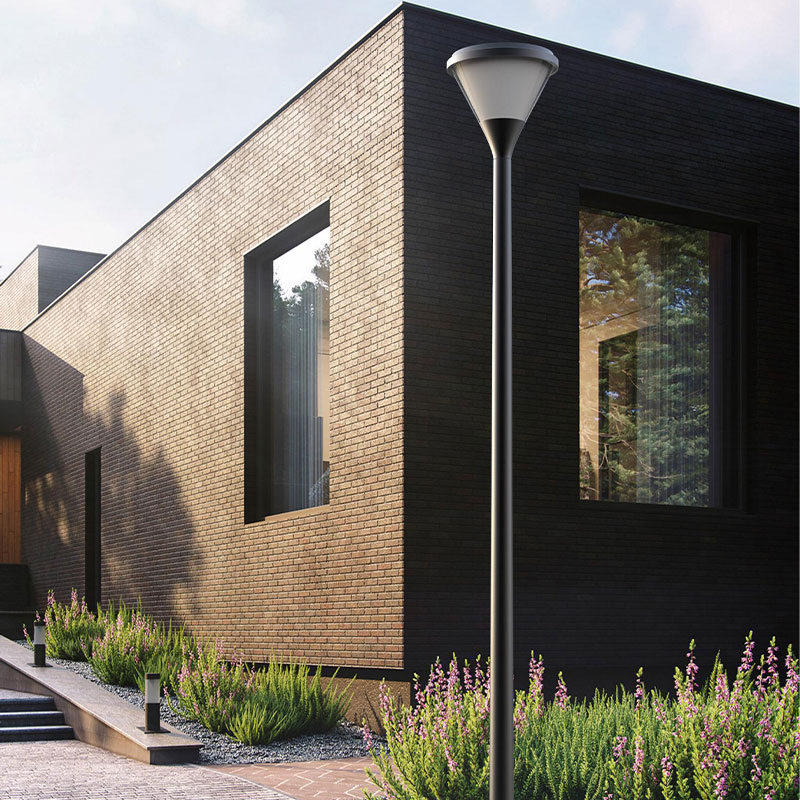
For garden and pedestrian areas, a shorter aluminum pole can keep the scale comfortable. The Dublin aluminum garden pole is one example of a compact ornamental option for paths, parks, and residential landscapes.
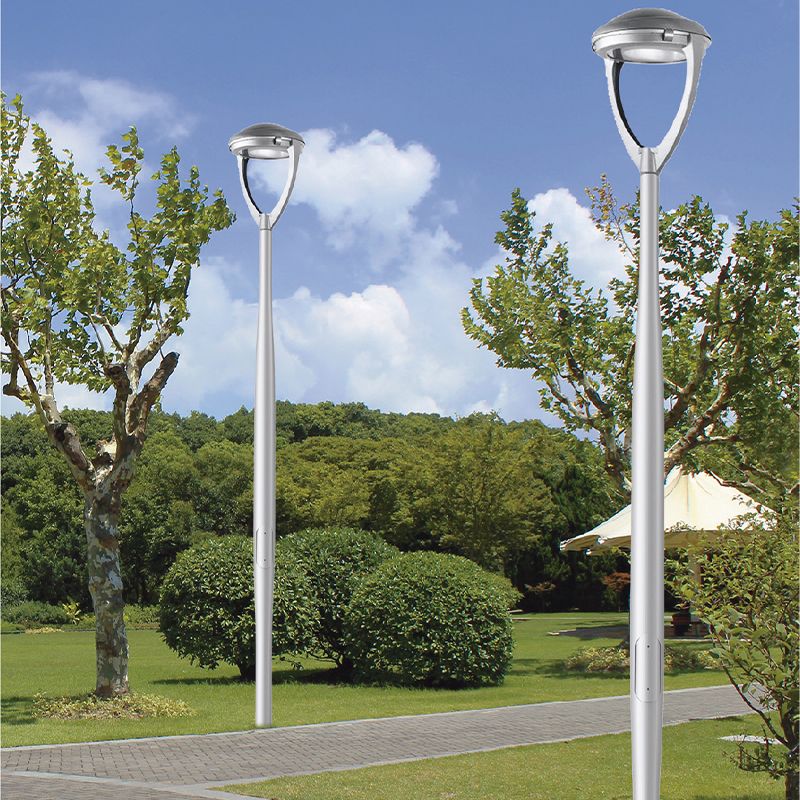 Dublin Aluminum Garden Light PoleReview the Dublin aluminum garden pole for paths, parks, and residential landscapes, with 2.5–4 m heights, 6063-T6 aluminum, and finish choices.View Product →
Material durability also matters on coastal or high humidity sites. Aluminum pole durability depends on alloy, wall thickness, and finish, not on a generic label.
Practical Height Checks Before Ordering
- Confirm mounting height versus overall pole length. Mounting height is usually grade to luminaire center. Overall length may include the tenon and base.
- Check fixture weight and effective projected area against pole capacity at the project wind speed. Do not rely on a generic chart.
- Confirm bolt circle, anchor bolt size, and thread projection. Foundation errors are expensive to correct after delivery.
- Review finish and environment. Coastal salt, industrial air, and high humidity call for suitable coatings and maintenance plans.
- Plan service access. A 40 ft pole may need a lift, hinge, or other maintenance method. Solar poles also carry panel and battery loads.
Frequently Asked Questions About Light Pole Height
What is the average height of a light pole?
Most urban and commercial street poles are 20 to 30 ft. Residential poles are often 10 to 15 ft, and highway poles commonly range from 30 to 50 ft.
Is light pole height measured to the fixture or the top of the pole?
Mounting height is usually measured from finished grade to the center of the luminaire. Overall pole length can be greater because it includes the base, tenon, or top cap. Confirm the dimension convention on the drawing.
Does a taller pole always cover more area?
It can extend reach, but it also reduces illuminance at ground level unless output or optics change. Taller poles can increase glare and wind load, so photometric design is still required.
Are 20 ft poles suitable for highways?
Usually not. Highway lighting typically uses 30 to 50 ft poles to achieve the required uniformity and clearances. A 20 ft pole may suit a local road, parking area, or pathway.
What height works for solar light poles?
Many solar street and area lights use 10 to 20 ft poles, but the right height depends on panel size, battery placement, solar access, and lighting class. The pole must carry the panel and battery load at the design wind speed.
Choose light pole height from the task, not from a catalog default. Set the lighting class, check site speed and width, verify wind and foundation requirements, and confirm local rules. Then match the pole and luminaire as one system. If you are comparing 10 ft, 20 ft, and 40 ft options, request a dimensional drawing that shows mounting height, base detail, and fixture interface. That single document prevents most ordering errors. To review your layout, contact our team with the project drawings and site conditions.