English
 Español
 Français
 عربى
عربى italiano
Content
- 1 What are Aluminum Garden Light Poles?
- 2 I. Definition and Advantages: What are Aluminum Garden Light Poles?
- 3 II. Superior Performance: How Do Aluminum Garden Light Poles Perform in Extreme Weather?
- 4 III. Structural Strength: How Load-Bearing Capacity Do Aluminum Garden Light Poles Have?
- 5 IV. Fast and Efficient: Standard Installation Process and Key Points for Aluminum Garden Light Poles
- 6 V. Worry-Free Maintenance: Routine Maintenance of Aluminum Garden Light Poles
- 7 How do our aluminum garden light poles perform in extreme weather?
- 8 I. Extreme Testing: Why is weather resistance the primary standard for outdoor lighting?
- 9 II. Core Advantages: How to Achieve Superior Weather Resistance?
- 10 III. Structural Stability: Withstanding Typhoons and Blizzards
- 11 What is the standard installation process for aluminum garden light poles? What are the key points to note?
- 12 I. Efficiency and Safety Go Hand in Hand: An Overview of Aluminum Garden Light Pole Installation Guidelines
- 13 II. Core Step One: Foundation and Embedded Parts Construction
- 14 III. Core Step Two: Light Pole Hoisting and Fixing
- 15 IV. Core Step Three: Electrical Connection and Safety Grounding
- 16 V. Summary of Key Points and Installation Safety
- 17 What are the main routine maintenance tasks for aluminum garden light poles?
- 18 I. Advantages of Long-Term Operation
- 19 II. Main Routine Maintenance Tasks for Aluminum Garden Light Poles
- 20 III. Summary: The Long-Term Value of Low Maintenance Costs
What are Aluminum Garden Light Poles?
I. Definition and Advantages: What are Aluminum Garden Light Poles?
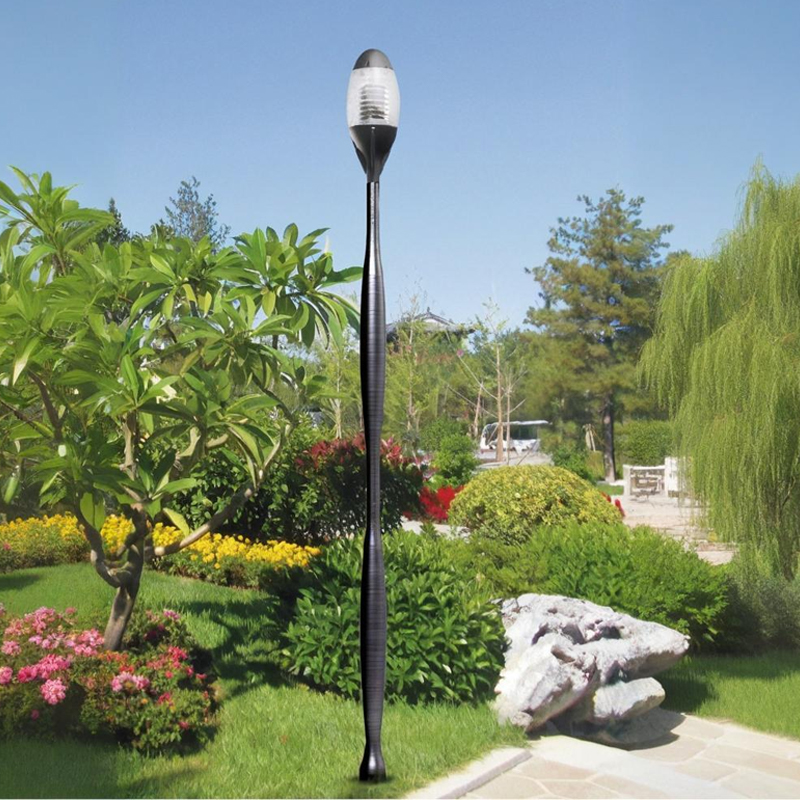
Aluminum garden light poles are specifically designed and manufactured for outdoor landscape lighting, primarily using high-quality aluminum alloy (typically grade 6063) as the base material. They perfectly combine lightweight, high strength, and excellent corrosion resistance, making them an upgraded replacement for traditional cast iron or steel light poles.
Compared to general outdoor light poles, the key to aluminum garden light poles lies in their unique surface treatment processes—such as powder coating or anodizing. These processes not only give the light poles a rich aesthetic appearance but also form a robust protective layer, significantly extending the lifespan of outdoor aluminum alloy light poles.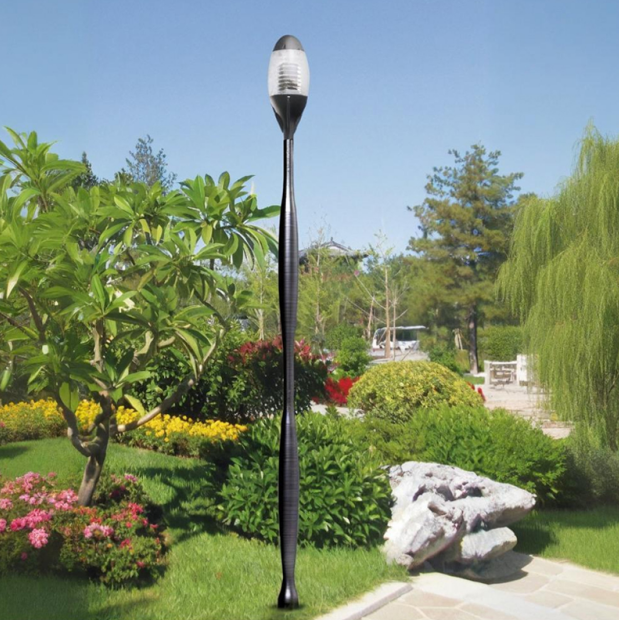
II. Superior Performance: How Do Aluminum Garden Light Poles Perform in Extreme Weather?
In outdoor environments, the weather resistance of a light pole is a key factor determining its lifespan. Our aluminum garden light poles are meticulously designed and professionally treated to easily withstand various extreme weather challenges:
- Corrosion Resistance: Aluminum alloy naturally possesses oxidation resistance, combined with professional surface powder coating, giving it excellent corrosion resistance. It is especially suitable for humid, rainy, or coastal areas with high salt spray, avoiding the problems of rust and peeling.
- High Temperature and UV Protection: The high-quality powder coating effectively resists strong UV radiation, ensuring the light pole's color remains bright for a long time and will not fade or chalk due to sun exposure.
- Low Temperature Environment: The material properties of aluminum alloy ensure that it will not crack in extremely cold weather, maintaining structural stability and reliability.
In short, choosing our aluminum garden light poles means choosing a durable and worry-free outdoor lighting solution.
III. Structural Strength: How Load-Bearing Capacity Do Aluminum Garden Light Poles Have?
Many people worry whether aluminum alloy landscape light poles, as a lightweight material, can withstand external loads such as strong winds.
However, high-quality aluminum garden light poles are designed with load-bearing capacity and wind resistance in mind:
- Scientific Wall Thickness Design: By precisely calculating the height and diameter of the pole, our products feature optimized wall thickness, ensuring high bending strength while reducing weight.
- Structural Mechanics Optimization: The pole's geometry (such as tapered or polygonal designs) is optimized for structural mechanics, effectively distributing wind loads to the foundation.
- Anchorage Pre-embedded Parts: With robust anchor bolts and pre-embedded parts (base cages), our outdoor aluminum alloy light poles easily meet the wind resistance requirements of urban or landscape design codes, ensuring stability and safety in strong winds.
IV. Fast and Efficient: Standard Installation Process and Key Points for Aluminum Garden Light Poles
The lightweight nature of aluminum garden light poles makes their installation process more efficient and convenient than traditional steel light poles.
Standard Installation Procedure:
- Foundation Construction: Determine the installation location, pour the concrete foundation, and accurately pre-embed the anchor bolts (base cage), ensuring the exposed bolt length meets requirements.
- Cable Pre-installation: Pre-drill cable holes or channel holes within the foundation.
- Pole Installation: Align the aluminum garden light pole with the pre-embedded anchor bolts and secure it using nuts and washers. Due to the lightweight nature of aluminum, most sizes of light poles can be installed using small equipment or manually.
- Wiring and Testing: Connect the light fixture to the power cable, perform grounding, and finally test the lighting function.
Key Precautions:
- Verticality: Use a spirit level to ensure the light pole is perfectly vertical and make minor adjustments when tightening the nuts.
- Grounding Protection: Ensure the light pole is properly grounded; this is a crucial step for ensuring outdoor lighting safety.
- Bolt Tightening: Tighten the nuts evenly and moderately, avoiding excessive force that could damage the aluminum.
V. Worry-Free Maintenance: Routine Maintenance of Aluminum Garden Light Poles
Due to their excellent corrosion resistance, routine maintenance of aluminum garden light poles is extremely simple, significantly reducing long-term operating costs.
Main maintenance tasks include:
- Regular Cleaning: Wipe the surface of the light pole with clean water and a neutral detergent to remove dust and dirt, maintaining the aesthetics of the outdoor landscape.
- Fastenance Inspection: Check the anchor bolts and fasteners at the light fixture connections annually for looseness and tighten them promptly.
- Surface Inspection: Regularly inspect the surface of the light pole for significant coating damage or scratches. If any are found, use the matching repair paint to touch up and restore corrosion protection.
Choosing aluminum garden light poles means your landscaping project will enjoy lasting beauty and minimal maintenance costs.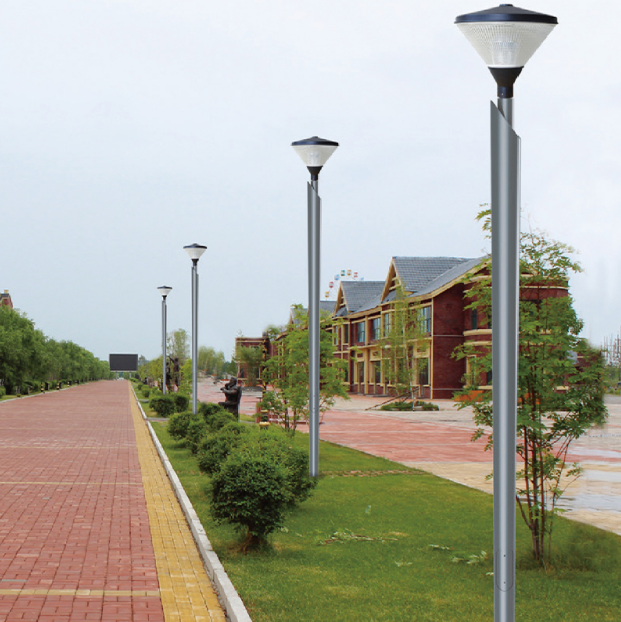
How do our aluminum garden light poles perform in extreme weather?
I. Extreme Testing: Why is weather resistance the primary standard for outdoor lighting?
In outdoor environments, any garden light pole must withstand the harsh tests of nature. From scorching sun and typhoons to continuous rain, snow, and salt spray, these extreme weather conditions are the main causes of accelerated wear and tear on outdoor facilities. Traditional steel light poles are prone to rust, corrosion, and even structural damage, significantly shortening their lifespan.
Our aluminum garden light poles, specifically designed for outdoor lighting, prioritize weather resistance as a core design element, from material selection to surface treatment, ensuring they remain as good as new even in various harsh environments.
II. Core Advantages: How to Achieve Superior Weather Resistance?
Our aluminum alloy light poles can confidently cope with extreme weather primarily due to the following two key factors:
1. Material Advantage: Inherent Corrosion Resistance
Our aluminum garden light poles are made of high-strength, corrosion-resistant 6063 aluminum alloy. Unlike steel, aluminum quickly forms a dense oxide film upon contact with air.
Moisture Resistance: This natural oxide film effectively prevents moisture and humidity penetration, maintaining structural integrity even in rainy or humid environments near water bodies, fundamentally eliminating the "inside-out" corrosion problem common in traditional light poles.
Benefits for Coastal Areas: For high-salinity coastal areas, aluminum's resistance to chloride ions is far superior to ordinary steel, making it the best choice for outdoor installations.
2. Process Guarantee: Resistant to UV and Chemical Corrosion
To further strengthen the protective barrier of aluminum garden light poles, we employ advanced surface treatment technologies—high-quality powder coating or anodizing:
- UV Resistance: Professional anti-UV components are added to the powder coating, effectively resisting strong sunlight and UV radiation, ensuring the light pole's color remains vibrant for a long time, without chalking or fading.
- Chemical Protection: This robust coating effectively isolates the light pole from acid rain, industrial pollution, and various chemical corrosion, providing double protection.
III. Structural Stability: Withstanding Typhoons and Blizzards
Extreme weather not only tests chemical corrosion but also physical damage. Our aluminum garden light poles excel in wind resistance and load-bearing capacity:
Lightweight Design & High Strength: Although aluminum alloy light poles are significantly lighter than steel, they maintain the required load-bearing capacity through scientific structural design and precise wall thickness control. In strong winds, their lightweight nature actually helps reduce overall inertial load.
Wind-Resistant Design: The pole's geometry has undergone wind tunnel testing to ensure it can withstand the highest recorded wind resistance requirements in the local area, guaranteeing safety and stability during typhoons, hurricanes, and other severe weather conditions.
What is the standard installation process for aluminum garden light poles? What are the key points to note?
I. Efficiency and Safety Go Hand in Hand: An Overview of Aluminum Garden Light Pole Installation Guidelines
The lightweight nature of aluminum garden light poles makes on-site installation more convenient and efficient compared to heavy-duty steel light poles. However, to ensure long-term stability and outdoor lighting safety, strict adherence to installation procedures and safety regulations is crucial.
The following are standard installation guidelines for aluminum garden light poles, as well as key aspects to consider in landscaping projects.
II. Core Step One: Foundation and Embedded Parts Construction
The stability of the light pole begins with a solid foundation. This is the most crucial first step in the entire installation process.
- Location Determination and Excavation: Determine the precise installation point of the garden light pole according to the design drawings. Excavate the foundation pit, the dimensions and depth of which must meet the load-bearing capacity requirements of the light pole (usually provided by the design institute).
- Anchor Bolt Installation (Embedded Parts): Place the pre-fabricated anchor bolt frame (commonly known as a ground cage) into the pit. Use a spirit level to check the levelness and verticality of the frame, ensuring that the upper bolt plane is parallel to the ground.
- Wiring Conduit Provision: Provision conduit (usually PVC or PE pipe) to the installation center of the light pole for subsequent wiring operations.
- Concrete Pouring and Curing: Pour concrete of the required strength grade and protect the bolts during curing to avoid impact and contamination. The concrete curing time must meet the design requirements (usually 7-14 days) before the light pole can be hoisted.
Concrete Pouring and Curing: Pour concrete of the required strength grade and protect the bolts during curing to avoid impact and contamination. Key Points: The verticality and center distance deviation of the anchor bolts must be strictly controlled within 5 mm; otherwise, it will seriously affect the installation and vertical appearance of the light pole.
III. Core Step Two: Light Pole Hoisting and Fixing
After the concrete reaches its design strength, the aluminum garden light pole can be hoisted.
- Hoisting Preparation: Inspect the aluminum alloy light pole for any damage and protect it at the hoisting location to prevent scratches to the surface coating.
- Alignment and Lowering: Using light lifting equipment (or manpower, depending on the size of the light pole), slowly align the garden light pole with the pre-embedded anchor bolts.
- Initial Tightening: Initially fix the light pole by inserting nuts and washers.
- Vertical Alignment: Use a plumb line or theodolite to precisely align the light pole. If tilting occurs, fine-tune by adjusting the shims (commonly known as leveling shims) under the base plate.
- Final Tightening: After ensuring the light pole is completely vertical, use a torque wrench to evenly and moderately tighten the fasteners.
Key Points: Fasteners must be made of compatible high-strength materials. When tightening the nuts at the bottom of the aluminum garden light pole, avoid excessive force to prevent damage to the aluminum or bottom flange.
IV. Core Step Three: Electrical Connection and Safety Grounding
Electrical connection is a crucial step in ensuring the functionality and safety of outdoor lighting installation.
- Wiring and Connection: Lead the power cord from the pre-buried wiring conduit to the bottom of the light pole and run it to the light fixture installation location. Connect the light fixture and power cord strictly according to electrical specifications.
- Insulation and Waterproofing: All joints must be professionally insulated and waterproofed to prevent short circuits and leakage.
- Safety Grounding: This is a critical point that must be adhered to. As an outdoor conductive facility, the aluminum garden light pole must be connected to a reliable grounding system to prevent electric shock hazards caused by lightning strikes and electrical faults.
V. Summary of Key Points and Installation Safety
Safety specifications must be prioritized throughout the entire installation process of the aluminum garden light pole.
- Safety Protection: Construction personnel should wear safety helmets and insulated gloves, and warning signs should be posted in the work area.
- Surface Protection: During hoisting and installation, care should be taken to protect the surface coating of the light pole to avoid scratches that could affect its corrosion resistance.
- Acceptance Criteria: Verticality, grounding resistance, and the tightening torque of all fasteners are the three core criteria for final acceptance.
Following this installation guide will not only ensure that the aluminum garden light poles are installed securely and aesthetically, but also guarantee their long-term reliability and safety.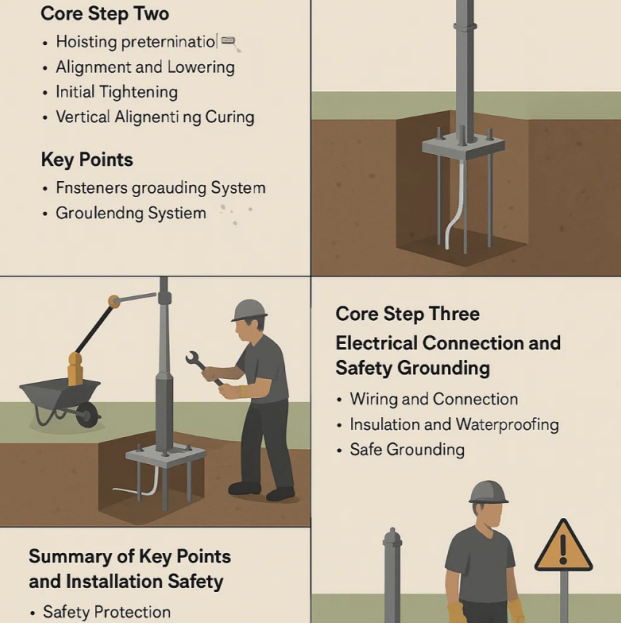
What are the main routine maintenance tasks for aluminum garden light poles?
I. Advantages of Long-Term Operation
For garden facilities and outdoor lighting projects, maintenance costs are often a key factor determining long-term operational efficiency. Compared to traditional steel light poles that are prone to rust and require regular rust removal and painting, aluminum garden light poles have a natural advantage in corrosion resistance, fundamentally reducing the burden of heavy routine maintenance.
Our aluminum alloy light poles, through advanced surface treatments (such as powder coating or anodizing), form a robust protective barrier. This not only ensures lasting aesthetics but also significantly extends their lifespan, allowing maintenance to focus primarily on simple inspections and cleaning.
II. Main Routine Maintenance Tasks for Aluminum Garden Light Poles
To ensure your aluminum garden light poles achieve their longest possible lifespan and maintain excellent landscape lighting effects, the following are some key routine maintenance tasks:
- Surface Cleaning and Maintenance
This is the most common maintenance task, aimed at maintaining the appearance of the light pole and the integrity of the surface coating.
Regular Cleaning: It is recommended to gently wipe the surface of the light pole with clean water and a neutral detergent (such as mild soapy water) at least once or twice a year to remove dust, bird droppings, or environmental pollutants.
Avoid Strong Acids and Alkalis: Never use cleaners containing strong acids, alkalis, or abrasives, as this may damage the surface coating and weaken the light pole's corrosion resistance.
- Structural Safety Inspection: |
Regularly inspecting the structural safety of the light pole is crucial for ensuring the stability of outdoor facilities.
Fastener Inspection: Inspect the anchor bolts and fasteners at the base of the light pole annually or after strong storms for signs of loosening, rust, or damage. If loose, tighten them evenly using a torque wrench.
Pole Inspection: Visually inspect the light pole body for obvious deformation, bending, or cracks. Although aluminum is strong, it still requires timely inspection after extreme impacts.
- Coating and Corrosion Repair: Despite the excellent corrosion resistance of aluminum, local repairs are still necessary after accidental impacts or scratches.
Scratch Repair: If deep scratches are found on the surface coating of the light pole, exposing the internal aluminum material, they should be repaired promptly using the matching repair paint. This is to prevent contaminants or moisture from accumulating at the damaged area over time, ensuring overall corrosion resistance.
Electrical Inspection: Inspect the wiring and terminals inside the light fixture and light pole for integrity, ensuring the outdoor lighting system's insulation and grounding functions are normal.
Maintenance Work Categories: Core Maintenance Contents Detailed Operation and Key Points Purpose/Benefits I. Long-Term Operational Advantages Low maintenance cost Compared to traditional steel light poles that are prone to rust, aluminum has a natural advantage in corrosion resistance. Reduce heavy daily maintenance work and ensure long-term operational benefits. II. Surface Cleaning and Maintenance Regular cleaning It is recommended to wipe the pole 1-2 times a year with clean water and a neutral detergent (such as mild soapy water) to remove dust and contaminants. Maintain the lasting aesthetics and surface coating integrity of the light pole. Cleaning precautions Never use cleaners containing strong acids, strong alkalis, or abrasives. Prevent damage to the surface coating and avoid weakening corrosion resistance. III. Structural Safety Inspection Fastener inspection Inspect the anchor bolts and fasteners annually or after strong storms for signs of loosening or rust. If loose, tighten them evenly with a torque wrench. Ensure a secure connection at the base of the light pole, guaranteeing structural safety and the stability of outdoor facilities. Staff inspection Visually inspect the light pole body for obvious deformation, bending, or cracks. Promptly identify and address potential safety hazards caused by extreme external impacts. IV. Coating and Corrosion Protection Repair Scratches repair If deep scratches are found on the surface coating, exposing the aluminum, touch them up promptly with the matching repair paint. Prevent the accumulation of contaminants or moisture, ensuring overall corrosion resistance. Electrical inspection Check the wiring and terminals inside the light fixture and pole for integrity. Ensure the proper insulation and grounding of the outdoor lighting system, guaranteeing electrical safety.
III. Summary: The Long-Term Value of Low Maintenance Costs
By following this simple maintenance guide, you will be able to maximize the lifespan of your aluminum garden light poles and enjoy extremely low maintenance costs throughout their long-term operating cycle.