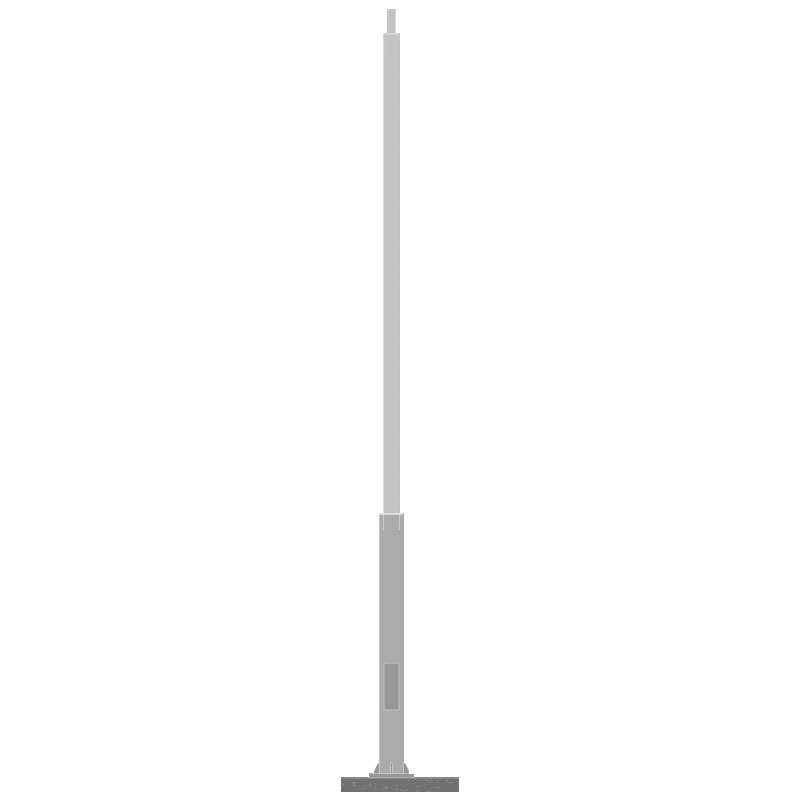
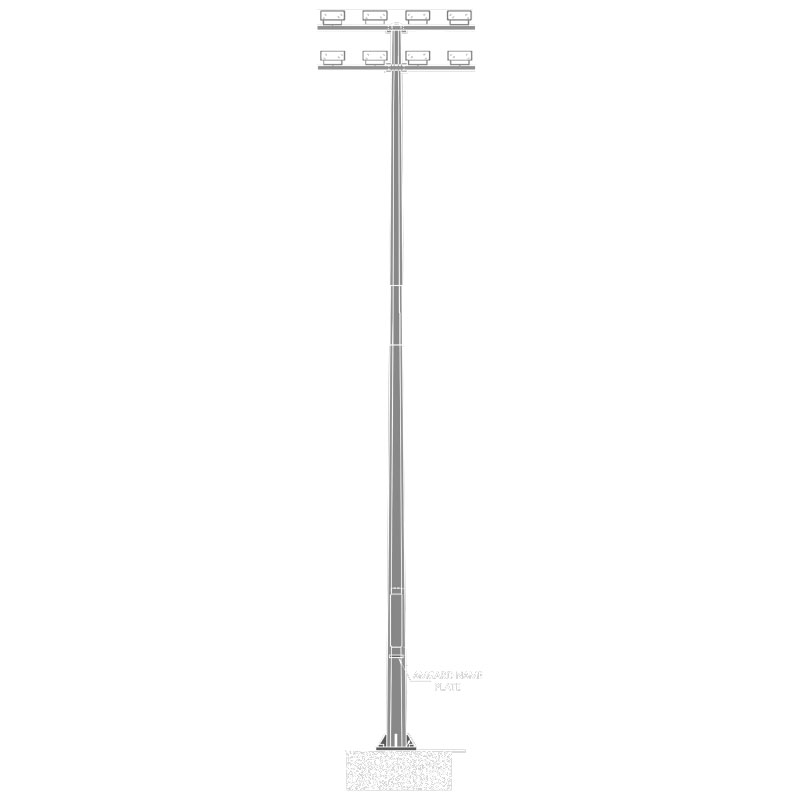
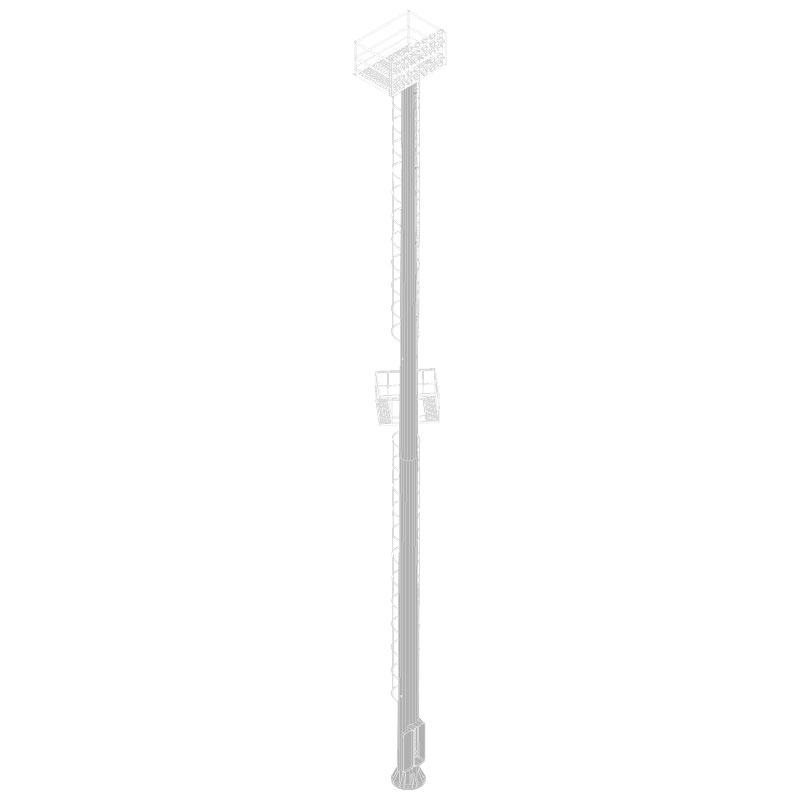
Steel lamp poles can be welded and repaired after damage, and the cost of partial replacement is lower than that of replacing composite lamp poles as a whole.
Anti-rust technology (such as galvanizing) can greatly reduce the frequency of long-term maintenance.
Steel lamp poles have become a reliable choice for urban lighting with high cost performance, long life, and classic shape, especially for places that need to take into account both function and beauty. With the upgrading of technology, its application scope continues to expand.
An American aluminum light pole is a tapered or straight outdoor lighting support structure made from high-quality aluminum alloy, designed and specified to meet North American engineering, safety, and aesthetic standards for road lighting, street lighting, parking lots, plazas, parks, and landscape illumination. The ...
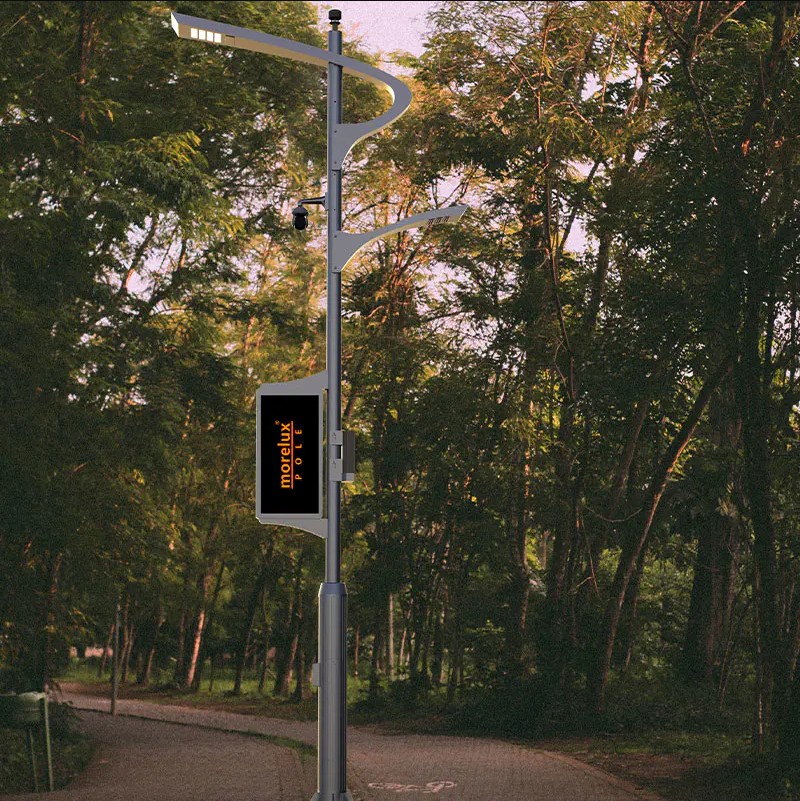
View MoreSmart light poles go far beyond simply holding a luminaire. They function as multi-purpose urban infrastructure platforms that integrate intelligent street lighting management with 5G connectivity, environmental sensing, video surveillance, public broadcasting, EV charging, Wi-Fi access, and emergency communication — ...
View MoreA well-manufactured aluminum light pole has a structural lifespan of 30 to 50 years under normal outdoor conditions. The aluminum shaft itself is highly resistant to corrosion and fatigue, and quality manufacturers back their poles with structural warranties of 25 years as standard. The surface finish — whether anodiz...
View MoreWith their superior mechanical properties, cost-effectiveness, and long lifespan, they have become a reliable choice for urban lighting, road lighting, and landscape lighting.
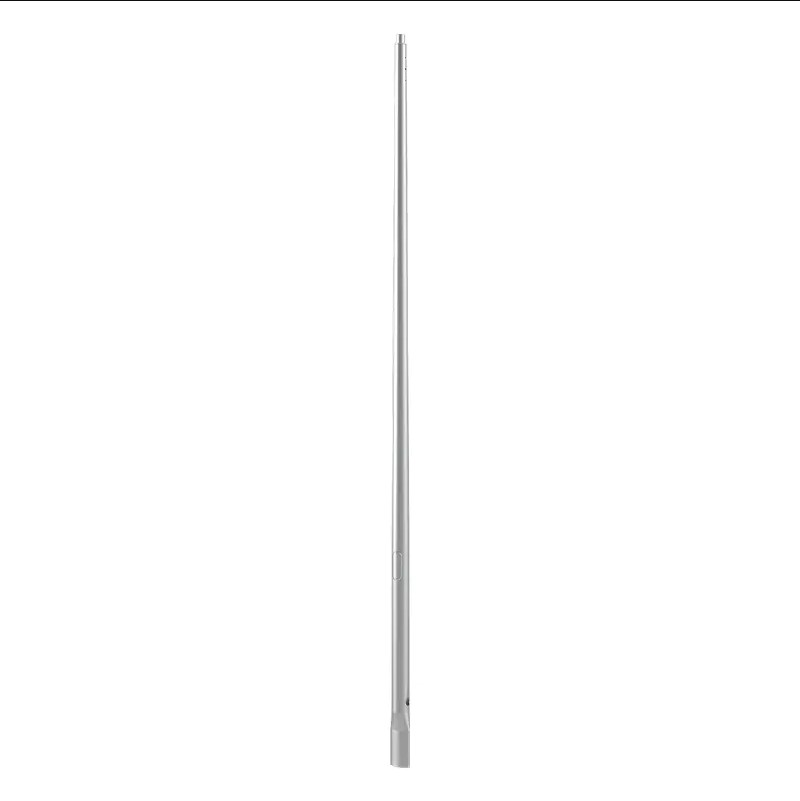
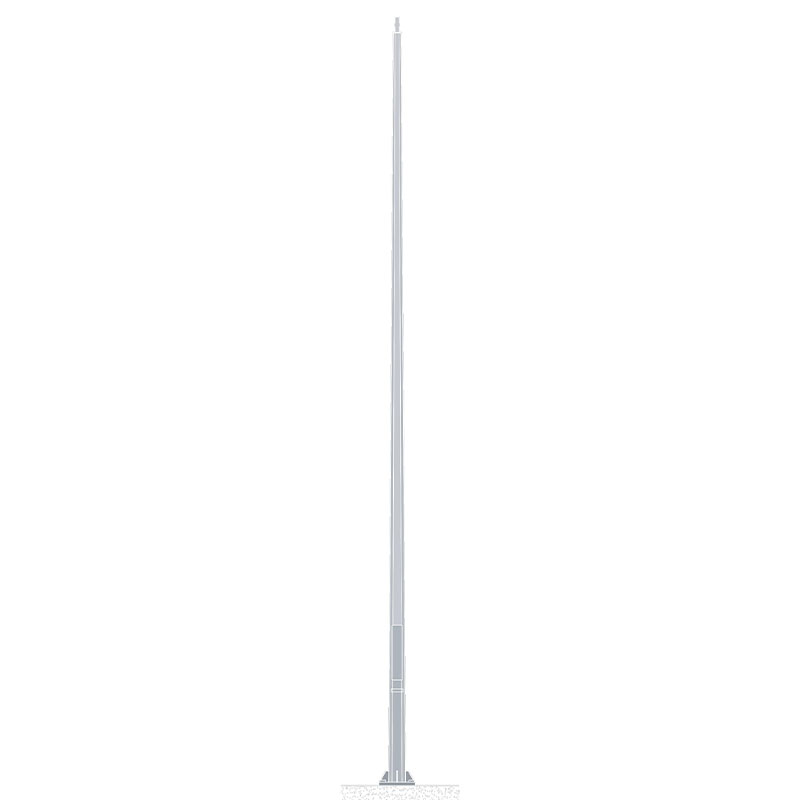
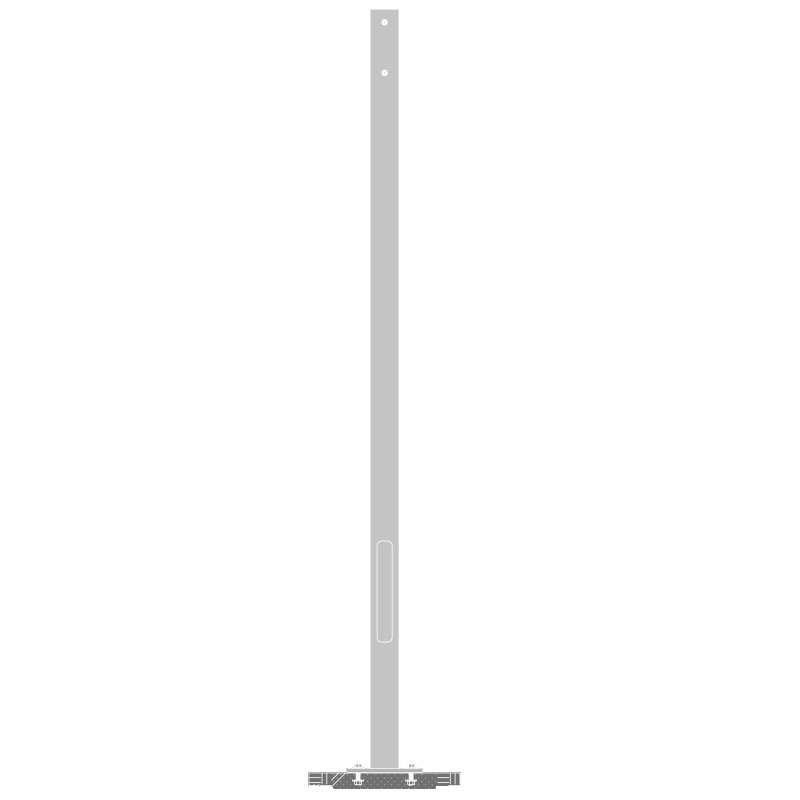
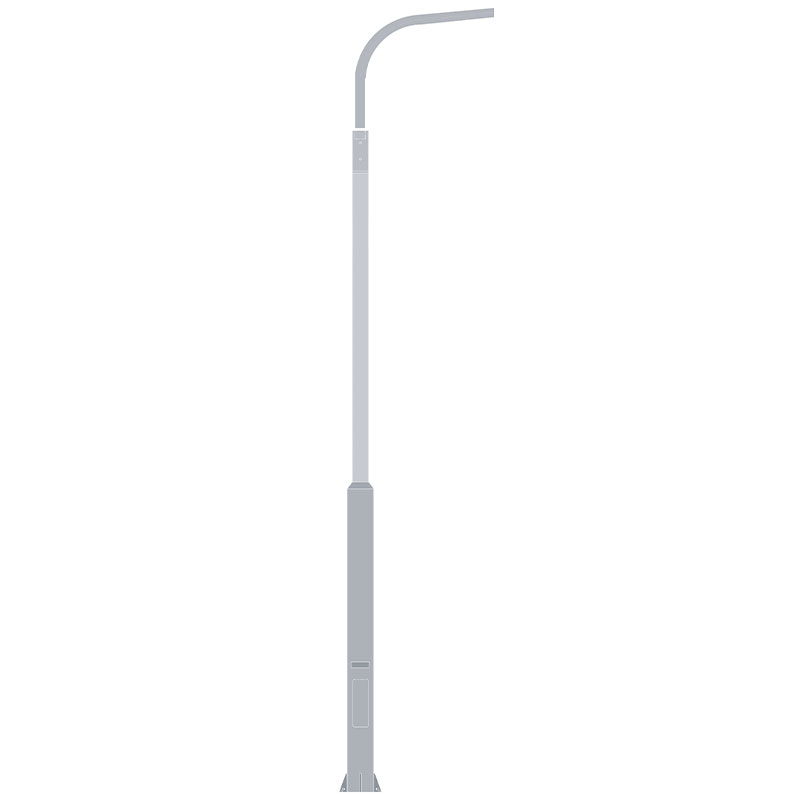
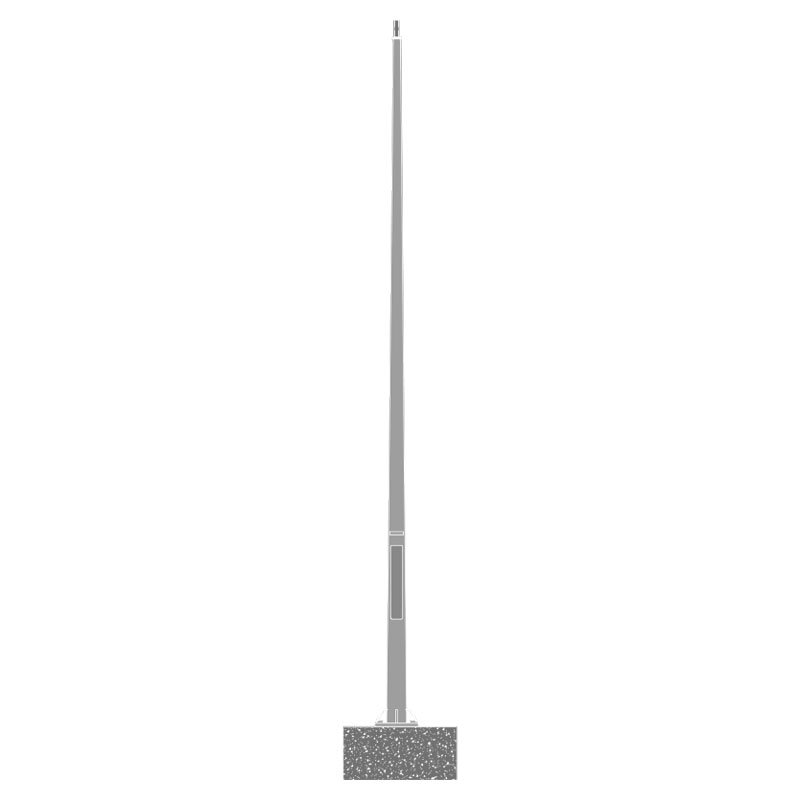
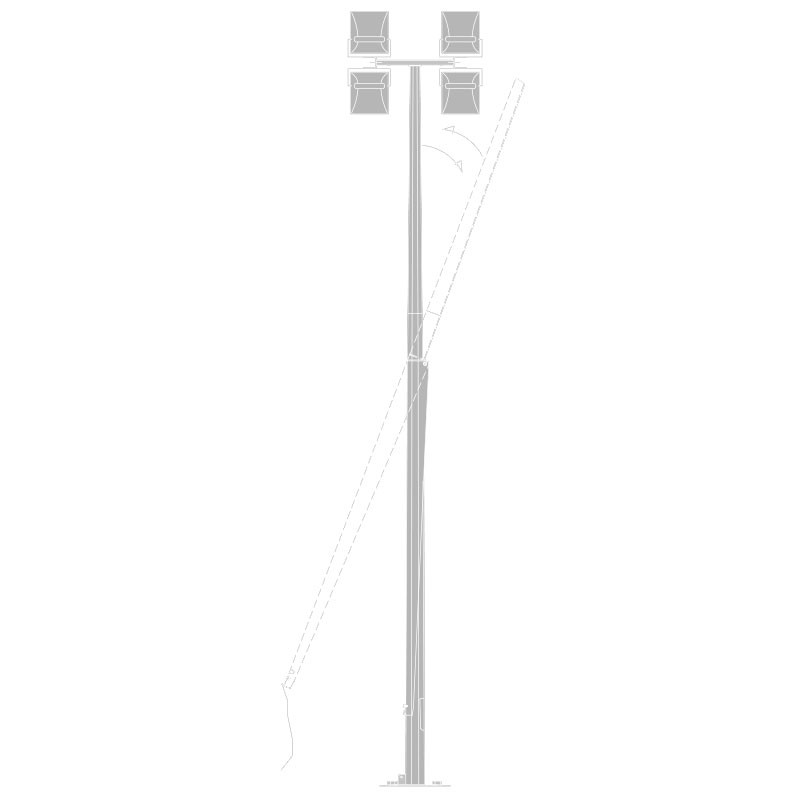
Steel Light Pole are typically manufactured from high-quality low-carbon steel plates (such as Q235 and Q345) through processes such as cutting, bending, and automatic welding. The cross-sectional shapes of the poles are diverse, with common types including:
Classic and aesthetically pleasing, with good wind resistance.
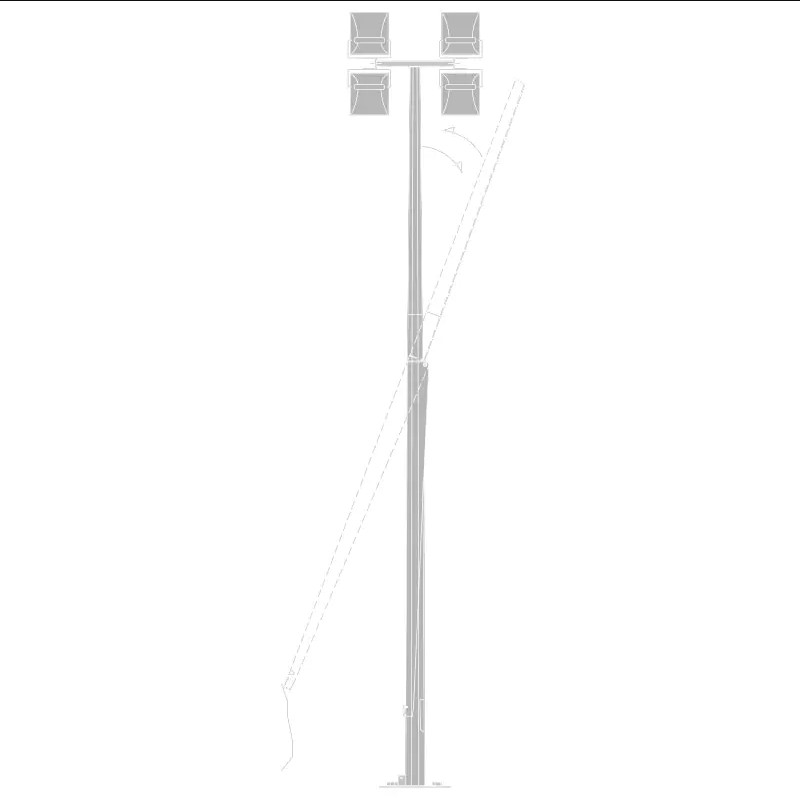
Commonly used for high-mast lighting or special lighting.
High strength and modern design.
The core advantages of Steel Light Pole lie in their high strength and good maintainability.
Steel has extremely high yield strength and wind resistance, ensuring stability and safety under various harsh weather conditions.
High Cost-Effectiveness: Compared to other materials (such as composite materials), steel has a lower initial purchase cost.
Repairability: Damaged steel light poles can be welded and repaired. Partial replacement costs are significantly lower than replacing the entire composite light pole, greatly extending its service life.
To cope with the humid and corrosive outdoor environment, steel light poles must undergo professional rust prevention treatment. Hot-dip galvanizing is currently the most mainstream and effective anti-corrosion technology.
Principle: The steel is immersed in molten zinc, causing the steel surface to react with the zinc, forming a thick zinc alloy layer and a pure zinc layer, creating sacrificial anode protection.
Effect: The galvanized layer has a uniform thickness, providing significant rust prevention. This greatly reduces the frequency and cost of long-term maintenance, ensuring a service life of over 20 years for the light pole.
Post-treatment: After galvanizing, powder coating (electrostatic spraying) is usually applied, providing additional corrosion protection and the desired color and surface finish to meet aesthetic requirements.
Steel light poles, with their long lifespan and classic design, have become a reliable choice for urban lighting, especially suitable for locations that balance functionality and aesthetics.
Expressways, main roads, and secondary roads (high poles, long arm lengths).
Plazas, parks, and residential areas (decorative poles, courtyard lights).
Traffic signal poles, surveillance poles, and other multi-functional poles.
With technological upgrades, the application scope of steel light poles is constantly expanding, such as integrating smart lighting systems and 5G micro base stations, developing towards smart light poles.
Steel Light Pole represent durability, structural strength, and long-term reliability for modern infrastructure.
A: High initial cost-effectiveness; damaged poles can be welded and repaired, and the cost of partial replacement is far lower than the cost of replacing the entire composite light pole.
A: Hot-dip galvanizing is used to form a sacrificial anode protective layer, achieving a service life of over 20 years and significantly reducing maintenance frequency.
A: Primarily used for urban and road lighting. The development trend is the integration of smart technologies, becoming smart light poles and multi-functional poles.
A: They are made of low-carbon steel plates (such as Q235/Q345), with common cross-sections being conical or polygonal, providing high strength.
Ningbo Morelux Pole Technology Limited All Rights Reserved. Wholesale Steel Light Pole Manufacturer OEM/ODM Steel Light Pole Company



 English
 Español
 Français
 عربى
عربى italiano