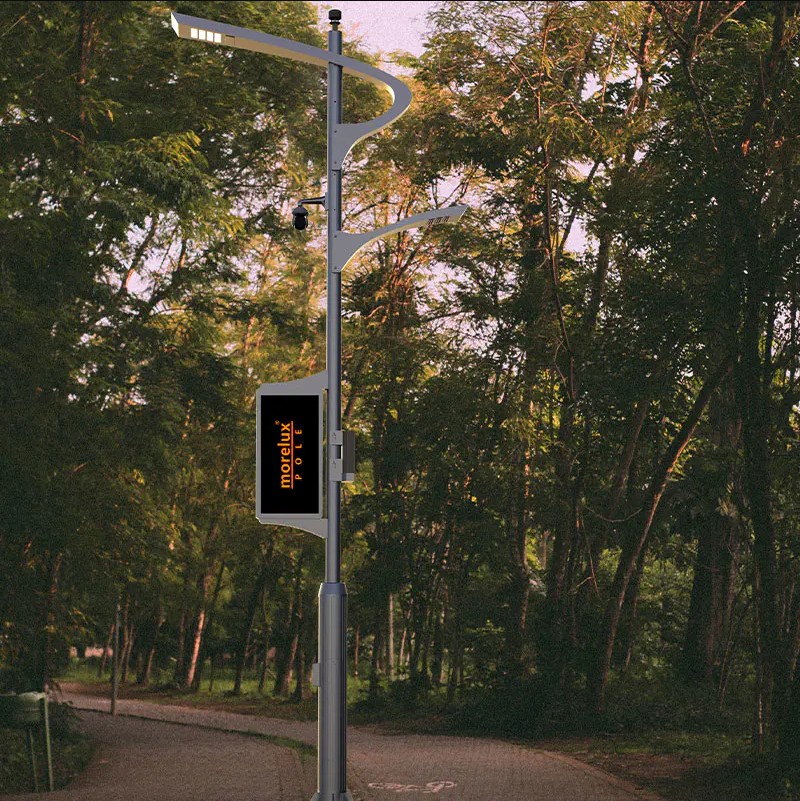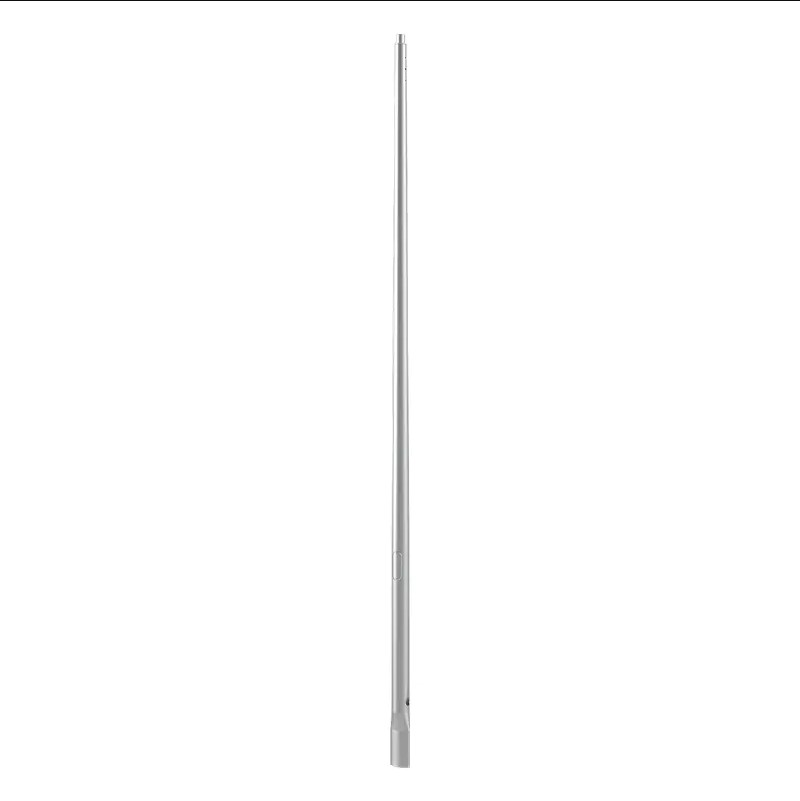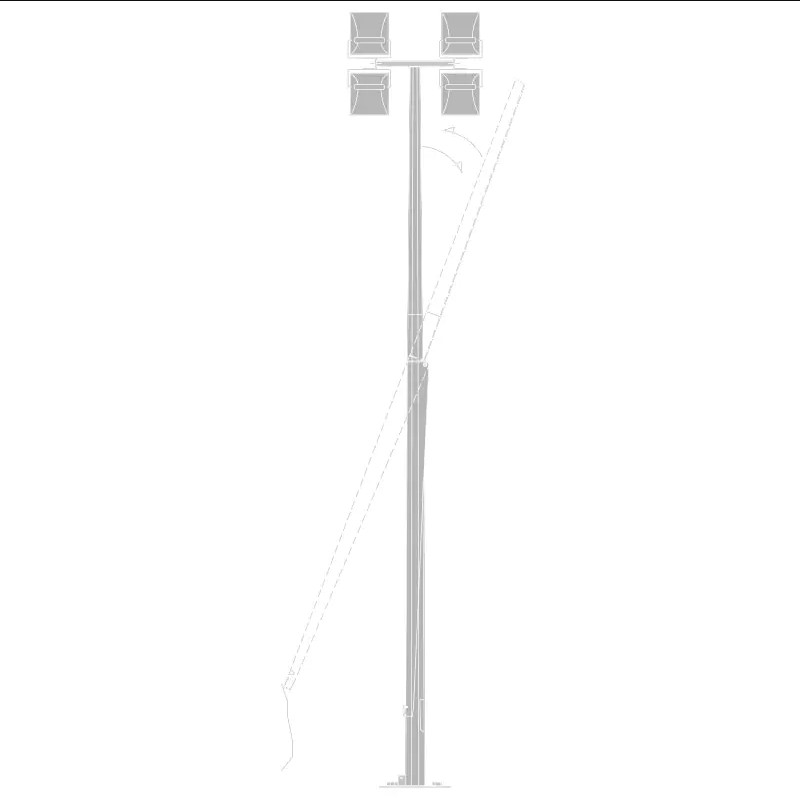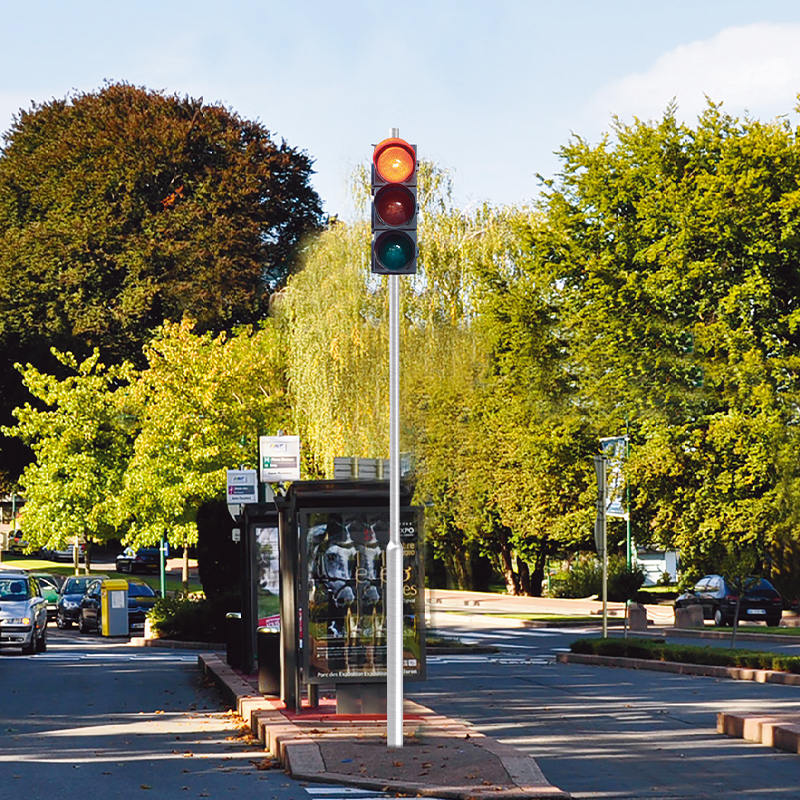

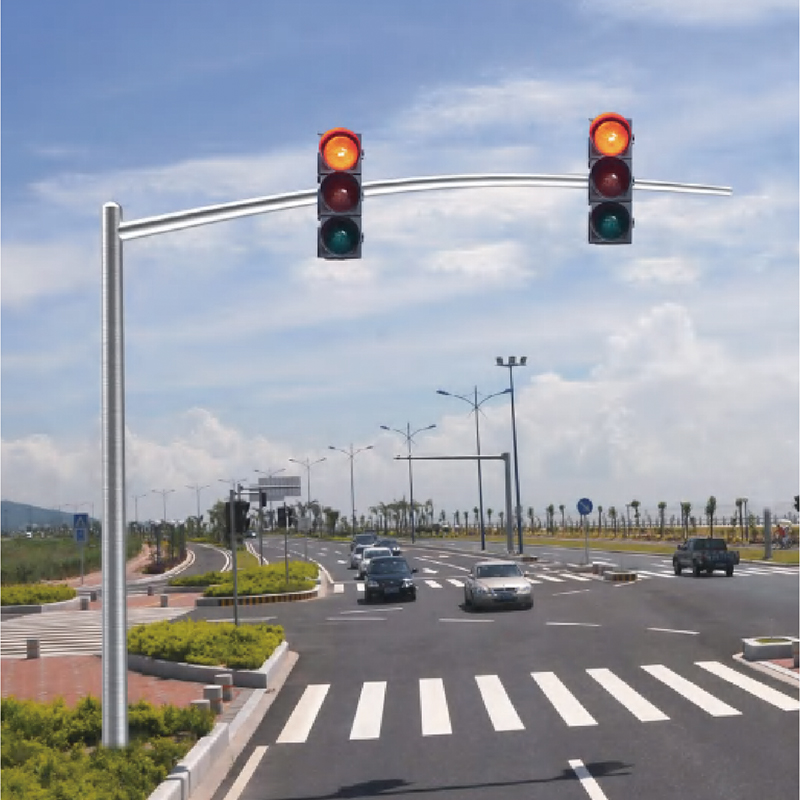

Morelux Aluminum traffic poles are high-performance safety facilities designed for modern road traffic systems. They are made of 6063-T6 aviation aluminum, weighing only 1/3 of steel poles, with 20% higher strength. Made of native rust-proof aluminum alloy, the service life is more than 20 years.
Morelux poles are CE certified and meet EN40, EN12899, and EN12767 standards.
An American aluminum light pole is a tapered or straight outdoor lighting support structure made from high-quality aluminum alloy, designed and specified to meet North American engineering, safety, and aesthetic standards for road lighting, street lighting, parking lots, plazas, parks, and landscape illumination. The ...
View MoreSmart light poles go far beyond simply holding a luminaire. They function as multi-purpose urban infrastructure platforms that integrate intelligent street lighting management with 5G connectivity, environmental sensing, video surveillance, public broadcasting, EV charging, Wi-Fi access, and emergency communication — ...
View MoreA well-manufactured aluminum light pole has a structural lifespan of 30 to 50 years under normal outdoor conditions. The aluminum shaft itself is highly resistant to corrosion and fatigue, and quality manufacturers back their poles with structural warranties of 25 years as standard. The surface finish — whether anodiz...
View MoreAluminum Traffic Light Poles (also known as aluminum alloy traffic poles or aluminum alloy signal poles) are an increasingly popular product in modern transportation infrastructure. They are primarily used to support traffic lights, signs, surveillance cameras, and other traffic management equipment. Compared to traditional steel traffic poles, Aluminum Traffic Light Poles, with their superior performance and environmentally friendly characteristics, are being widely used in various traffic scenarios such as urban roads, highways, and tunnels.
Aluminum alloy, as the main material for manufacturing traffic poles, possesses several key advantages, making it a significant trend in the industry. These core advantages are mainly reflected in the following aspects:
Based on application and structural differences, common types of Aluminum Traffic Light Poles include:
The application market for Aluminum Traffic Light Poles is growing rapidly and is an important component of traffic infrastructure upgrades and the development of smart transportation.
With increasing global investment in infrastructure construction and growing emphasis on environmental and safety standards, the aluminum traffic pole industry is expected to maintain strong growth momentum. Future product development will primarily focus on multi-functional integration (such as integration with 5G base stations, charging piles, and information displays) and the research and development of higher-strength aluminum alloy materials.
A1: Lightweight (easy installation and maintenance), highly corrosion-resistant (long lifespan), and environmentally friendly (high recyclability).
A2: Aluminum poles are lightweight and have excellent corrosion resistance, reducing transportation and long-term maintenance costs.
A3: Yes, through scientific structural design and high-strength aluminum alloy materials, they can meet the required high strength and wind load resistance.
A4: Mainly anodizing and electrostatic powder coating to enhance weather resistance and aesthetics.
Ningbo Morelux Pole Technology Limited All Rights Reserved. Wholesale Aluminum Traffic Light Poles Manufacturer OEM/ODM Aluminum Traffic Light Poles Company



 English
 Español
 Français
 عربى
عربى italiano