English
 Español
 Français
 عربى
 italiano
A 3.5 m illuminated pillar on an exposed promenade can look identical to one in a sheltered courtyard, yet the two may need different wall thickness, anchor details and cable entries. The safest way to buy LED light pillars is therefore to treat them as a structure, an optical system and a maintenance item at once. Buyers who compare only wattage and unit price often meet the real cost later: a base plate that does not suit the paving, a driver that cannot be reached, or a finish that fails within two winters. Fix the installation environment first, then choose the column and light engine around it. Morelux has made poles and columns in Ningbo since 1998, and the notes below reflect questions that appear after the drawing stage.
Content
- 1 What LED light pillars include in practice
- 2 Fix the installation before choosing the light output
- 3 Materials and finishes that survive outdoor use
- 4 Optical control, heat and ingress protection
- 5 Solar and smart options for LED light pillars
- 6 A practical specification checklist
- 7 Cost and procurement risks to watch
- 8 Where Morelux fits the LED light pillar category
What LED light pillars include in practice
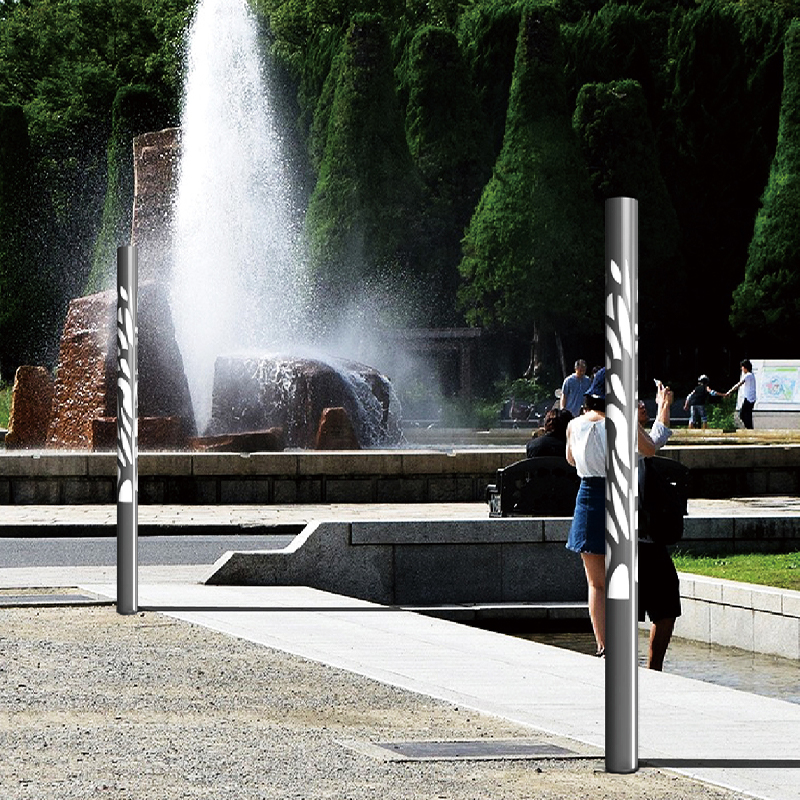
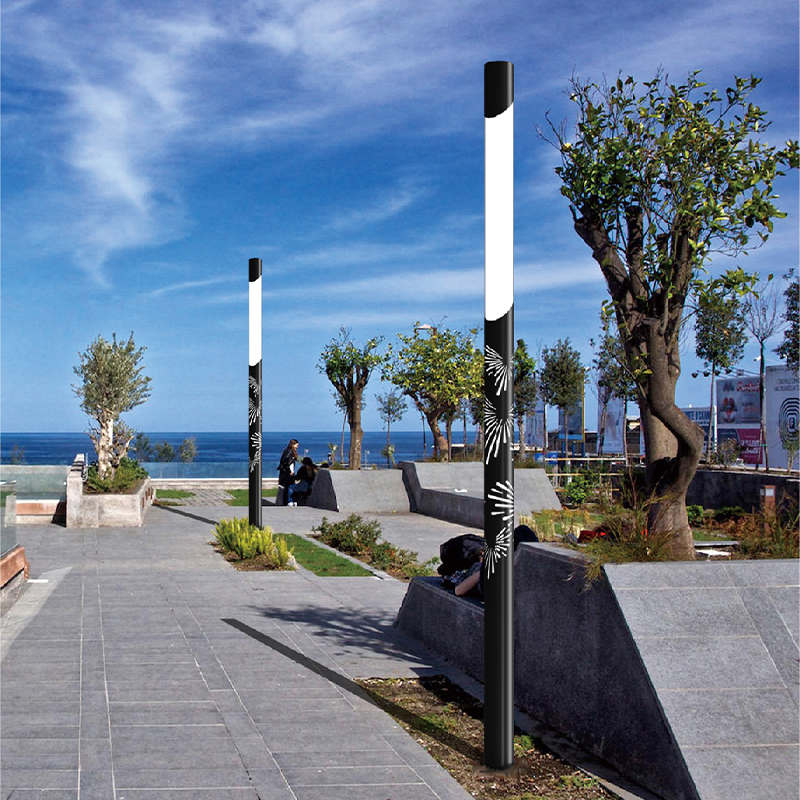
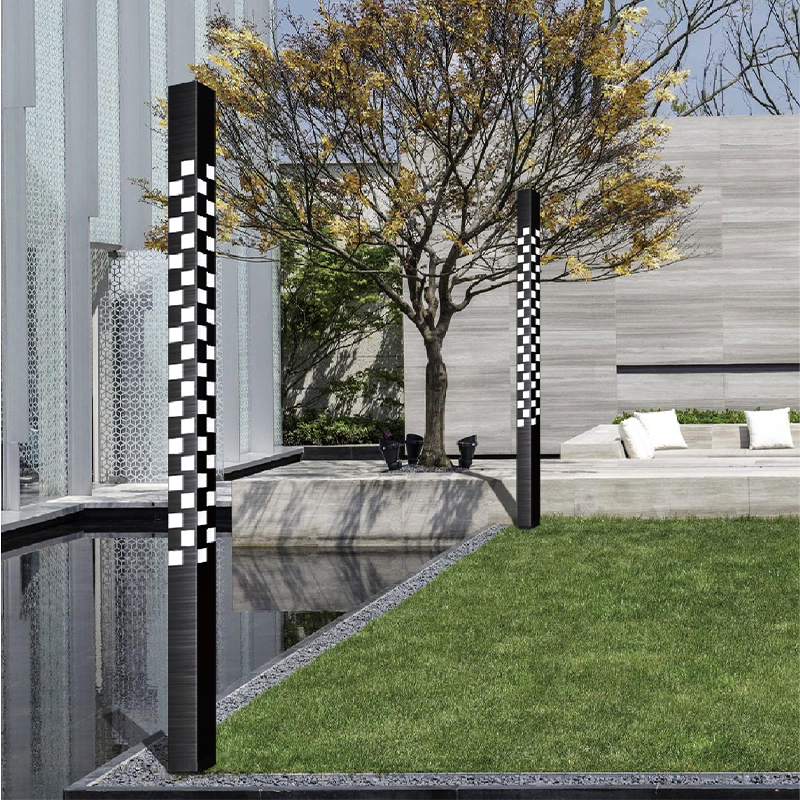
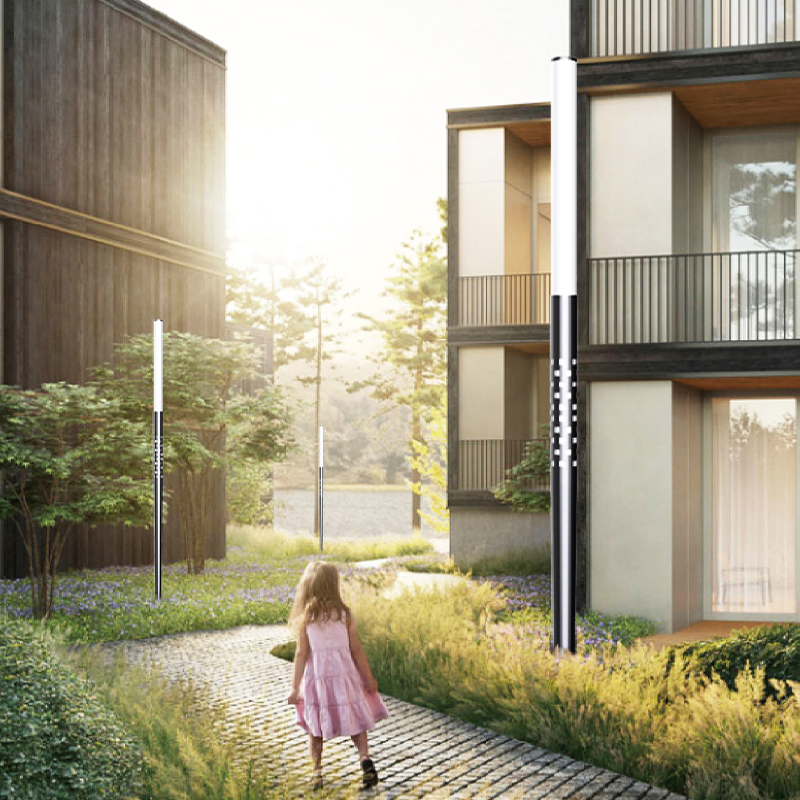
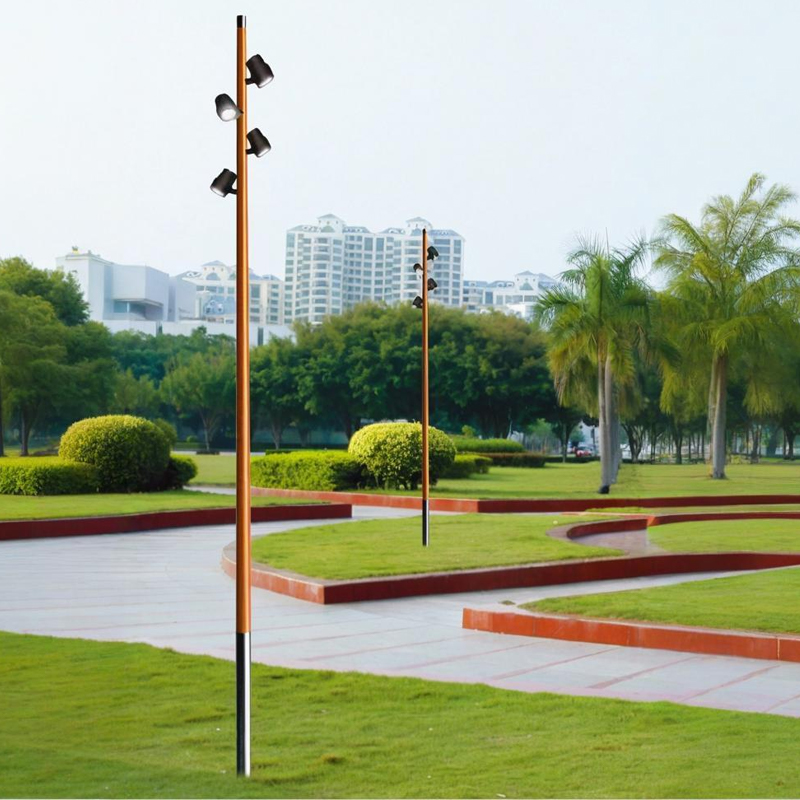
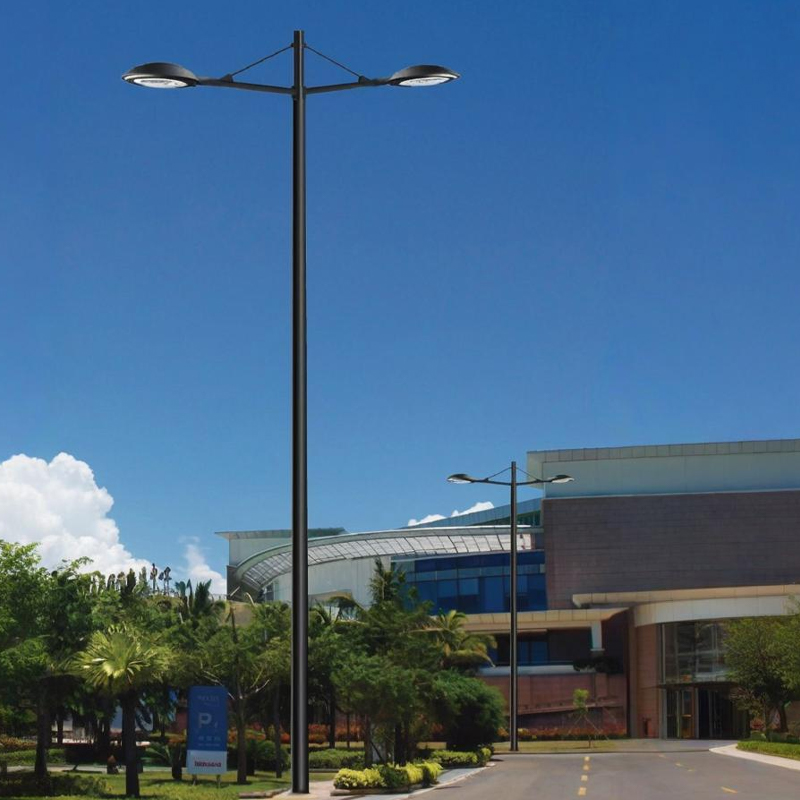
In a lighting package, pillar can mean a decorative landscape column, a garden light pole, a lit architectural sleeve, or a free-standing element that carries a luminaire at the top. For procurement, group the request by function. Pedestrian-scale landscape columns shape a plaza and provide low-level light. Garden poles serve paths, lawns and courtyards. Taller roadway or traffic poles belong in a different category because wind load, foundation and maintenance access change.
Before quoting, confirm how the LED is integrated. A top-mounted luminaire is easier to service, while a vertical diffuser changes heat management, cable routing and cleaning. Also confirm whether the column is decorative only or carries signage, cameras or sensors. For public realm schemes, ask for a photometric layout and an elevation drawing, not just a product photo.
Fix the installation before choosing the light output
The foundation detail decides more outcomes than the LED brand. A flange-mounted pillar depends on a sound slab, correct bolt projection, grout clearance and a cable entry that does not become a drain. A planted or direct-buried column needs a corrosion strategy at the ground line, where water, salt and abrasion meet. On coastal sites, specify stainless fixings and avoid cavities that trap water.
Wind is the next check. A wider decorative section, a larger luminaire or a banner arm increases projected area, so the column may need a thicker wall, a larger base plate or a different anchor pattern. Ask for design wind speed, terrain category and the governing load case. If anchor bolts are set 20 mm out, the cover plate may not fit, and correcting a cured foundation is expensive. Confirm mounting, cable entry, drainage and wind load before locking the optical design.
Materials and finishes that survive outdoor use
Aluminium and steel both work for LED light pillars, but they suit different sites. Aluminium is naturally corrosion resistant when the alloy and surface treatment are correct, and it is 100 percent recyclable. It often suits coastal promenades, landscape columns and decorative sections where weight and long-term appearance matter. Steel offers stiffness and economic value for taller or more heavily loaded columns, but it relies on galvanising and a compliant coating system. The finish is not a colour choice alone; it is a barrier that must survive scratches, UV and cleaning.
| Material | Sensible use | What to verify |
|---|---|---|
| Aluminium | Landscape columns, garden pillars, coastal sites and decorative sections | Alloy, wall thickness, weld quality, powder coating thickness or anodising, and base isolation from steel |
| Steel | Taller columns, high-load areas and projects with a galvanised finish | Galvanising standard, coating system, drainage holes, edge protection and touch-up procedure |
For wet pedestrian zones, the Aberrant aluminium waterproof light column is one example from the Morelux landscape range. The product name signals a waterproof design, but the project still needs the correct door gasket, cable gland and drainage path. A waterproof label does not replace a site-specific ingress review.
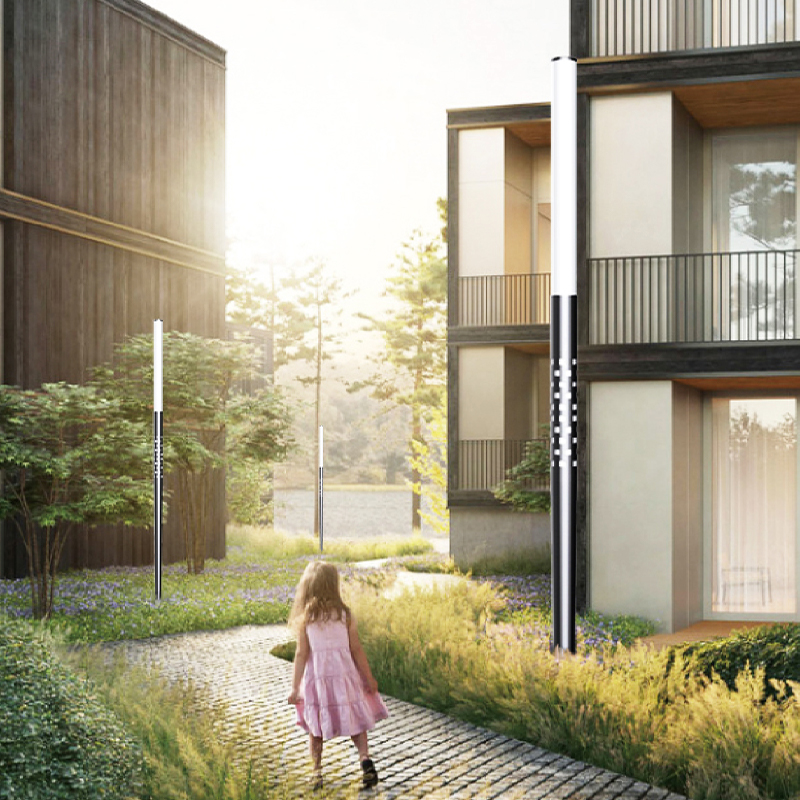 Aberrant Aluminum Waterproof Landscape Light ColumnFlange-mounted aluminum light column for wet pedestrian zones; verify gasket, drainage and LED distribution against mounting height and glare.View Product →
Optical control, heat and ingress protection
An LED pillar is judged by how it lights people and surfaces, not by the lumen figure on the carton. Choose the distribution after the mounting height and spacing are known. A narrow beam at 3 m can create hot spots on the pavement; a very wide beam may waste light above the horizontal. Ask for CCT, CRI, beam angle and upward light ratio, and check glare at eye height. If the diffuser is visible, its brightness matters as much as its output.
Heat and water are the two failure routes. The driver needs a ventilated or thermally coupled compartment, and the LED board needs a path to the column wall. A sealed decorative sleeve can become an oven in summer if the driver has no heat path. For ingress, look beyond the headline IP number. Check gasket material, cable gland, door seal and drain. The Karma aluminium light column is a landscape option with a clean architectural profile. Confirm driver access and cleaning method before approving the appearance.
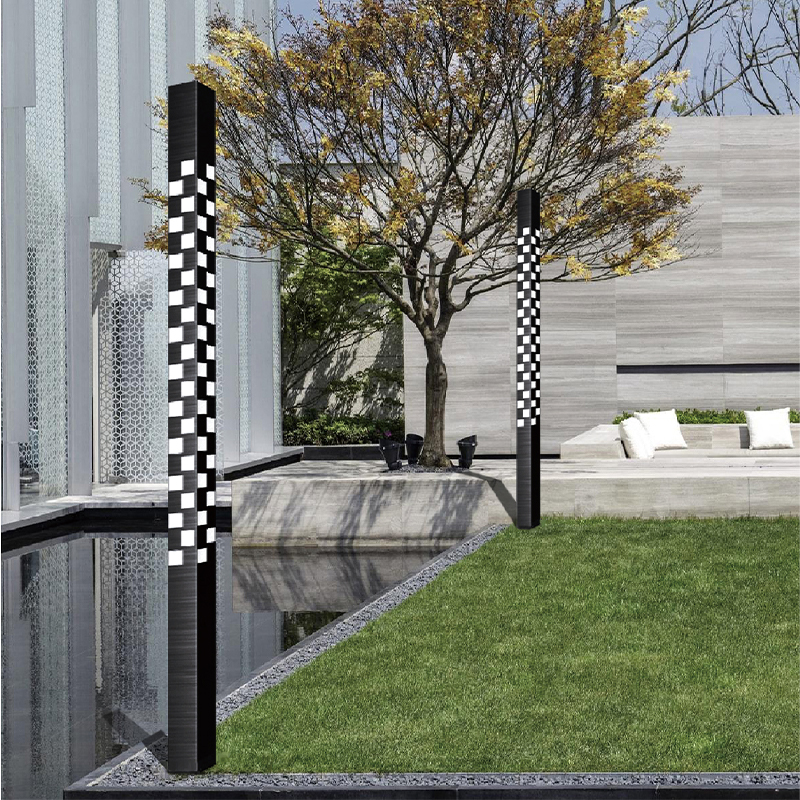 Karma Aluminum Landscape Light ColumnFlange-mounted aluminum landscape column; review driver access, gasket sealing and drainage for heat and water ingress before approval.View Product →
Surge protection also belongs in the specification. A pillar near a car park or exposed square can receive transient voltage, and replacing a driver inside a sealed column is not a low-cost visit.
Solar and smart options for LED light pillars
Solar pillars make sense where trenching is expensive or the location is remote, but they are an energy system, not just a column with a panel. Check the load profile, autonomy for cloudy days, battery location, panel orientation and access for cleaning. A visually slim pillar may hide a battery that cannot be replaced without dismantling the head. A flexible HJT solar light pole such as Alba can reduce civil work, but the design still needs a solar yield calculation for the site latitude and shading.
 Alba Flexible HJT Solar Light PoleIntegrated solar bollard combining flexible HJT module and aluminum pole; check battery access, panel orientation and lighting autonomy for the site.View Product →
Smart pillars add another layer. A column that carries cameras, sensors or speakers needs a power budget, data containment, an earth strategy and a service plan. Keep the approved equipment list fixed before production. A late camera bracket or antenna can force a door position change, a new internal plate or a revised base.
A practical specification checklist
Use this list to turn a concept image into a purchase-ready pillar. It also gives the supplier a clear basis for a technical quote.
- Overall height, above-ground section, diameter or square size, and decorative profile.
- Material and alloy or steel grade, wall thickness at the base and at the door.
- Mounting method, anchor bolt layout, base plate dimensions and cable entry position.
- Finish system, colour, gloss level, coating thickness and touch-up kit.
- LED module, driver, CCT, CRI, beam angle and expected lumen output after thermal stabilisation.
- Ingress protection, impact resistance, surge protection and driver access.
- Design wind speed, projected area, loading calculation and foundation interface.
- Packing method, spare parts, warranty terms and inspection records.
Ask for the approved drawing, finish panel and driver data sheet together, so the factory and site team work from the same revision.
Cost and procurement risks to watch
The lowest quoted pillar price is rarely the lowest installed cost. Freight is driven by packed volume, not just weight, so a tapered design that nests well can save more than a small unit-price discount. Finish batches can differ, so keep a retained sample and a colour standard. On multi-column projects, number the columns and match door orientation to the site layout.
Ask for the inspection plan before production: material certificate, weld inspection, coating thickness, dimensional check and a powered light test. Confirm the foundation drawing issue date as well, because civil works often move faster than the lighting submittal. Check packing, spare fasteners, gasket sets and customs documents. If the project has a public opening date, work backwards from delivery and installation.
Where Morelux fits the LED light pillar category
Morelux is the trading name used by Ningbo Morelux Pole Technology Limited, a Ningbo based manufacturer established in 1998 with more than 200 employees. The company exports to more than thirty countries and supports enquiries in English, Spanish, French, Arabic and Italian. Its range covers aluminium and steel light poles, garden poles, landscape columns, traffic poles, solar light poles, smart poles and accessories. Manufacturing is carried out in house through cutting, bending, spinning, welding, polishing, powder coating, anodising and inspection, which helps keep the base detail, finish and light integration under one technical team.
For a plaza, park or municipal scheme, review the aluminium landscape light column range alongside the garden and roadway families. That comparison shows whether a decorative column, a simpler garden pole or a taller roadway pole is the better fit. The aim is to match the structural class, light distribution and maintenance access to the site. You can review the landscape column range here: aluminium landscape light columns.
Before approving a purchase order for LED light pillars, put four items on one page: foundation and mounting detail, wind load case, optical layout and maintenance access. If any one is missing, the cheapest quote may still create the most expensive site visit. Send your project drawings, target height, site location and finish reference to the Morelux team, and ask for a checked proposal rather than a catalogue selection. Send your project details when the layout is ready.