English
 Español
 Français
 عربى
عربى italiano
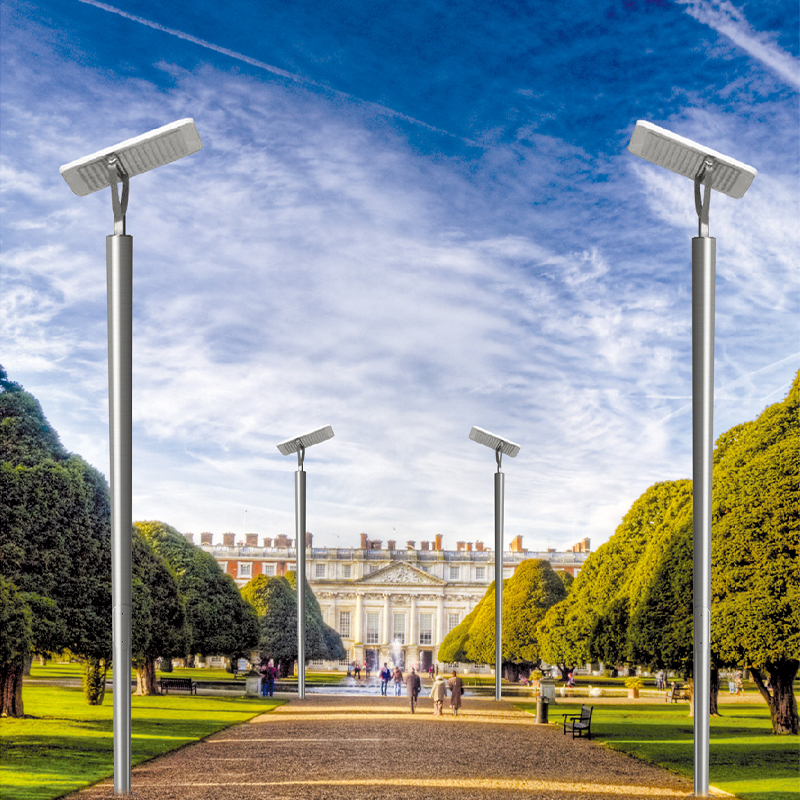
Aluminum light poles are highly durable outdoor structures, with anodized and satin-brushed variants typically carrying 25-year warranties for structural integrity. Powder-painted aluminum poles carry a 5-year warranty for paint finish against cracking, peeling, excessive color change, and fading from normal climate exposure, plus a 25-year warranty for the aluminum shafts. This longevity significantly exceeds that of steel alternatives, which often require repainting and rust remediation within 10-15 years.
Content
Structural Durability and Material Properties
Natural Corrosion Resistance
Aluminum possesses natural corrosion resistance that steel and iron lack. When exposed to air, aluminum forms a thin, hard oxide layer that protects the underlying metal from further oxidation. This self-healing property means that even if the surface is scratched, the oxide layer reforms and continues protecting the structure. Unlike steel, which rusts progressively and weakens over time, aluminum maintains its structural integrity for decades without protective coatings.
Strength-to-Weight Ratio
Aluminum provides excellent strength at approximately one-third the weight of steel. This favorable strength-to-weight ratio means aluminum light poles can withstand wind loads, impact forces, and fixture weights while reducing foundation requirements and simplifying installation. The lighter weight reduces transportation costs and allows easier handling during installation, yet the material maintains sufficient rigidity for tall mast applications.
Warranty Coverage and Standards
Long-Term Structural Warranties
Quality aluminum light poles come with substantial warranty coverage that reflects their durability. Anodized aluminum poles and satin-brushed poles carry 25-year warranties for structural integrity. This warranty period covers the aluminum shaft against failure from corrosion, cracking, or structural degradation under normal use conditions. The 25-year coverage aligns with expected service life and demonstrates manufacturer confidence in material performance.
Finish Warranty Specifications
Powder-painted aluminum poles carry differentiated warranty terms. The paint finish is warranted for 5 years from shipment against cracking, peeling, excessive color change, and fading due to normal climate exposure. The underlying aluminum shaft maintains a 25-year warranty independent of the surface coating. This distinction recognizes that while paint may degrade faster than the base metal, the structural integrity remains unaffected.
The following table compares warranty coverage by finish type:
| Finish Type | Structural Warranty | Surface Warranty |
|---|---|---|
| Anodized | 25 years | 25 years (integrated) |
| Satin-brushed | 25 years | 25 years (integrated) |
| Powder-painted | 25 years | 5 years |
Manufacturing Quality and Welding Standards
Certified Welding Expertise
Premium aluminum light poles are crafted with welding expertise certified by recognized welding bureaus. Welding capabilities match the highest international standards, ensuring that joints and connections maintain strength equivalent to the base material. Proper welding techniques prevent stress concentrations and fatigue points that could compromise long-term durability. Certified welding processes include TIG (Tungsten Inert Gas) welding that produces clean, strong joints in aluminum alloys.
Quality Control and Testing
Manufacturing quality control includes dimensional verification, weld inspection, and structural testing. Poles may undergo load testing to verify capacity ratings, while surface finishes are inspected for uniformity and adhesion. These quality measures ensure that each pole meets the durability standards implied by long-term warranties.
Environmental Performance Factors
Weather and Climate Resistance
Aluminum light poles withstand diverse climate conditions including extreme temperatures, UV exposure, acid rain, and salt spray. The material does not become brittle in cold weather or soften excessively in heat. Unlike steel, aluminum does not require protective painting to prevent rust in normal environments, though coastal or highly corrosive environments may benefit from anodized or painted finishes for enhanced protection.
Impact and Vibration Tolerance
Aluminum's ductility allows it to absorb impact energy without fracturing, making it more resistant to vehicle collisions and wind-borne debris than brittle materials. This property reduces catastrophic failure risks and allows poles to remain standing after minor impacts that would damage more rigid structures. The material also dampens vibrations from wind and traffic, reducing fatigue over time.
Comparison with Alternative Materials
Aluminum vs Steel Light Poles
Steel light poles typically require galvanizing and periodic painting to prevent rust, with expected service lives of 15-20 years before significant maintenance is needed. Aluminum poles eliminate these maintenance requirements, providing lower total cost of ownership despite higher initial purchase prices. Steel poles are stronger for equivalent weights but heavier, increasing installation complexity and foundation costs.
Aluminum vs Concrete and Fiberglass
Concrete poles offer extreme durability but are heavy, difficult to install, and susceptible to cracking from impact. Fiberglass poles provide excellent corrosion resistance but may degrade from UV exposure and lack the established recycling infrastructure of aluminum. Aluminum balances durability, weight, recyclability, and established manufacturing standards better than these alternatives for most applications.